Achilles tendon pain usually builds from overuse and gradual wear rather than one dramatic injury, which is why it can drag on for months and shrug off rest alone. Shockwave therapy, offered at our South Bend office as HealthWave RX, uses focused acoustic waves to support blood flow and healing in stubborn tendon tissue. For many people with ongoing Achilles pain, it becomes a turning point after stretching, rest, and new shoes have stalled. It tends to work best as part of a plan that also addresses how you move and load the tendon.
What Achilles Tendon Pain Actually Feels Like
Most people describe a deep ache or stiffness at the back of the heel or a few inches above it, worst with the first steps in the morning. The tendon can feel tight, tender when you pinch it, and sometimes slightly thickened compared to the other side.
Early on, the pain warms up and fades once you get moving. That can be misleading. As the problem settles in, the ache returns during activity and sticks around longer afterward.
Runners, walkers, and anyone who ramped up activity quickly are common candidates. So are people who spend long days on hard floors or wear shoes with little support.
Why the Achilles Tendon Is So Slow to Heal
The Achilles is the largest tendon in the body, and it takes enormous load with every step, jump, and push-off. The catch is that tendons have limited blood supply, especially in the section a few centimeters above the heel bone where pain often shows up.
Less blood flow means slower repair. When the tendon gets irritated faster than it can rebuild, the tissue starts to break down and lose its normal springy structure. This is often called tendinopathy or tendinosis, and it is a degeneration problem more than a simple inflammation problem.
That distinction matters. It helps explain why anti-inflammatory approaches alone often fall short, and why a treatment that prompts the tissue to actually rebuild can make a real difference.
What Happens When Achilles Pain Is Ignored
Pushing through Achilles pain rarely ends well. Because the tendon is already struggling to keep up with repair, loading it hard can drive further breakdown and leave the tissue weaker over time.
In some cases a chronically degenerated tendon becomes more prone to a partial or full tear, which is a much bigger setback. Catching the problem while it is still an ache, not a rupture, gives you far more conservative options.
How Shockwave Therapy Works for Achilles Pain
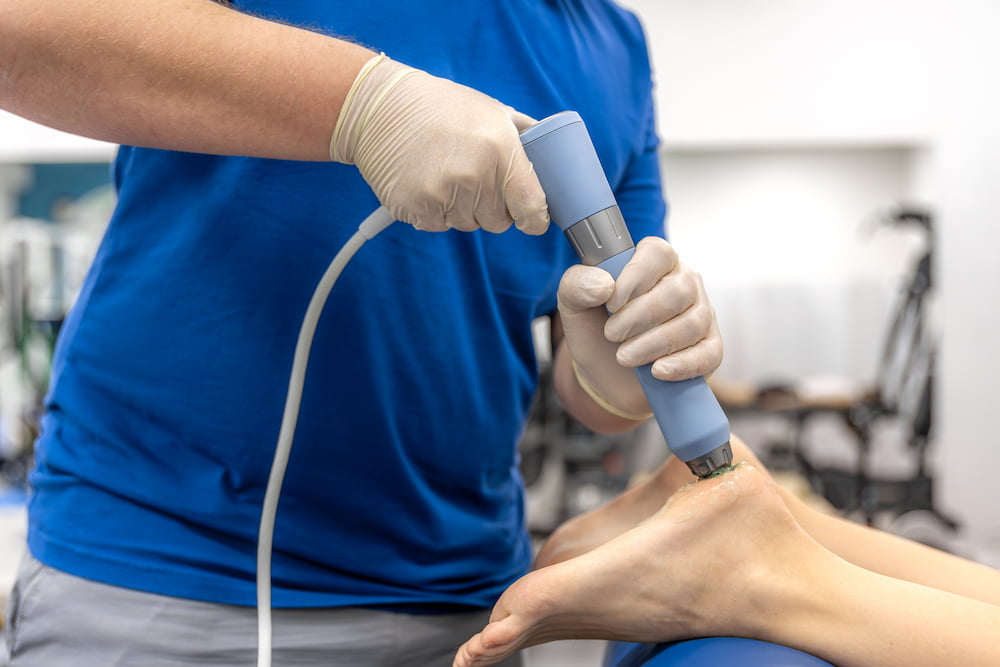
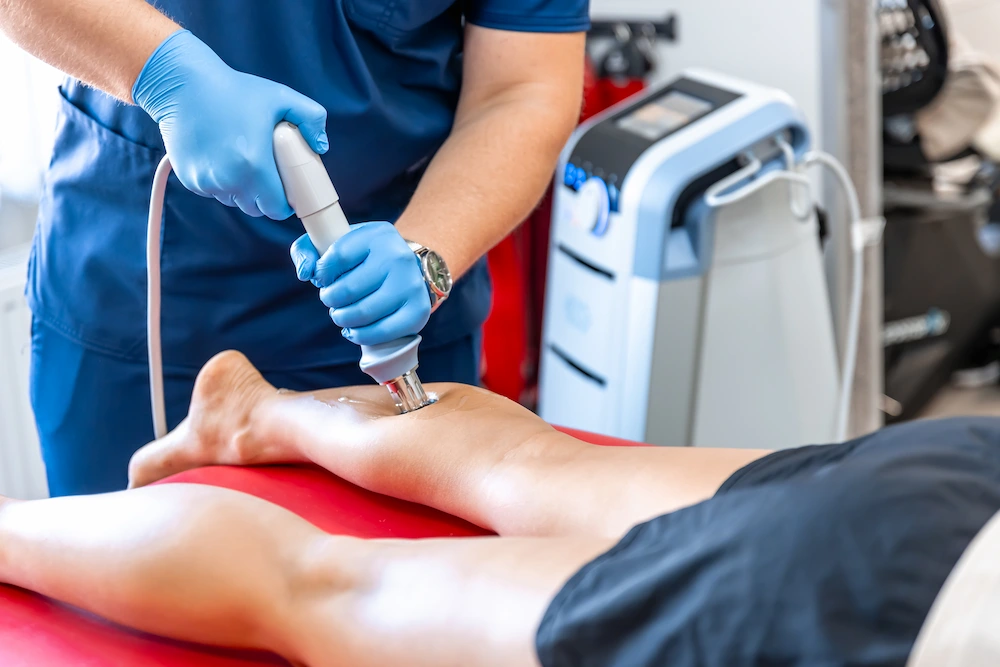
HealthWave RX delivers targeted acoustic waves into the affected tendon. Those pulses create a controlled stress that appears to wake up the body’s own repair response, supporting new blood vessel growth and stimulating the cells that lay down healthy tendon tissue.
In plain terms, it nudges a stalled healing process back into motion. You can read more about how the technology works on our HealthWave RX shockwave therapy page.
What a Session Is Like
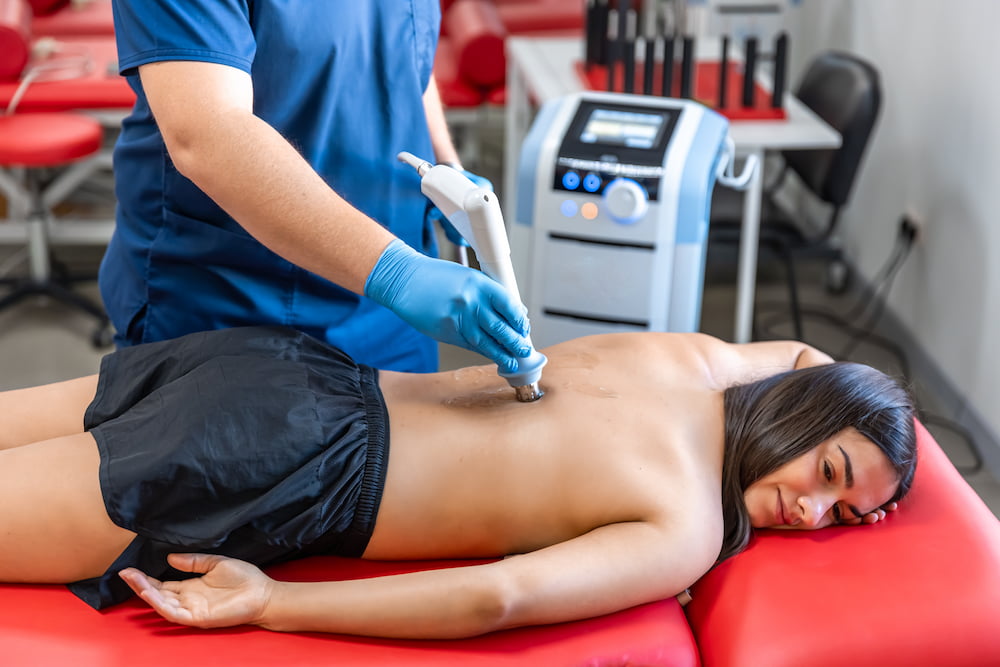
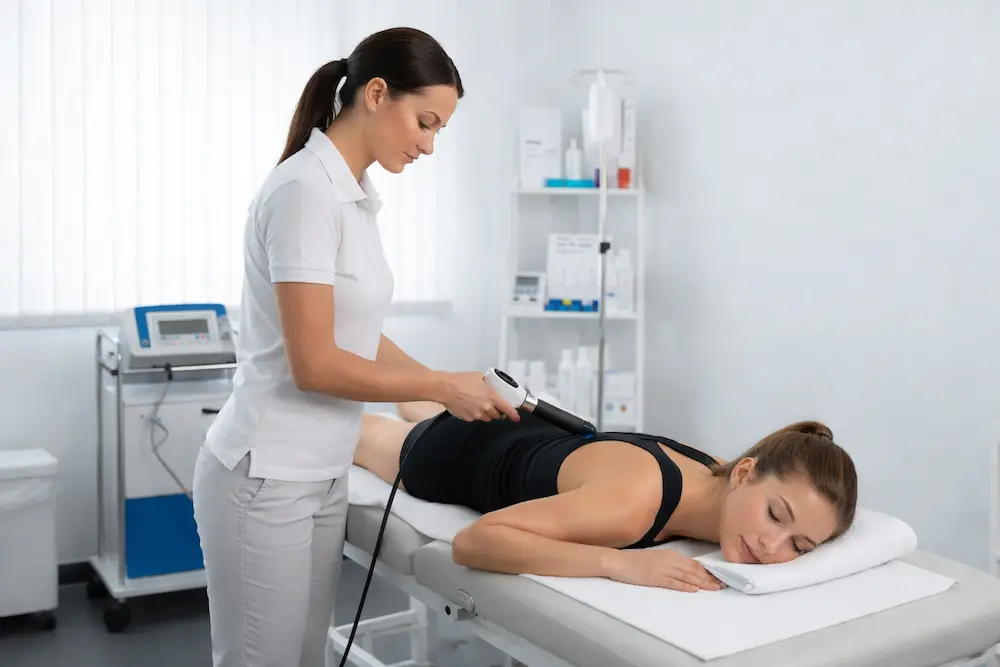
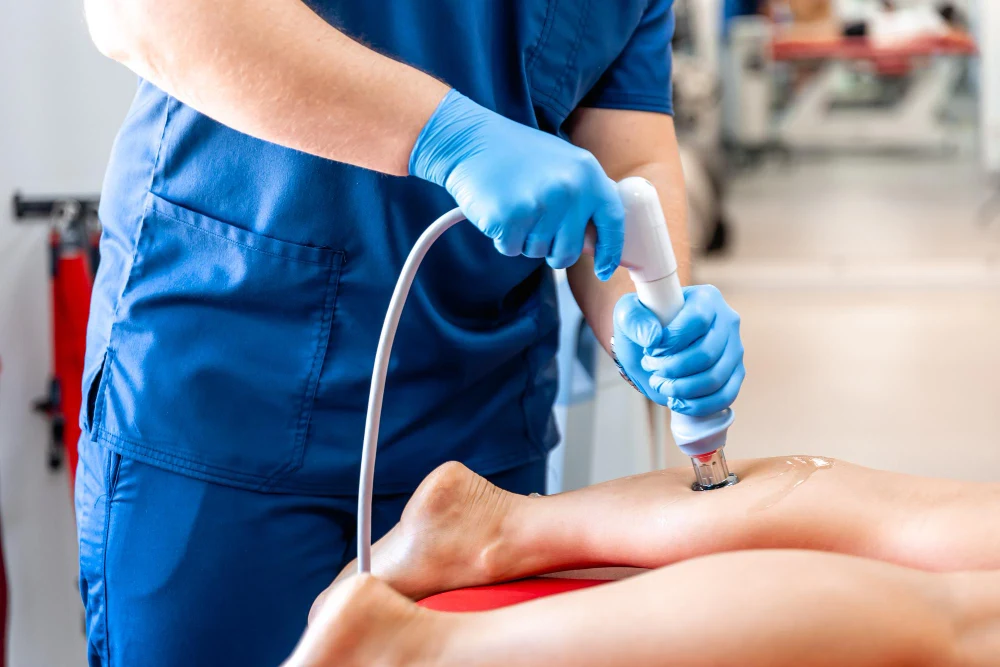
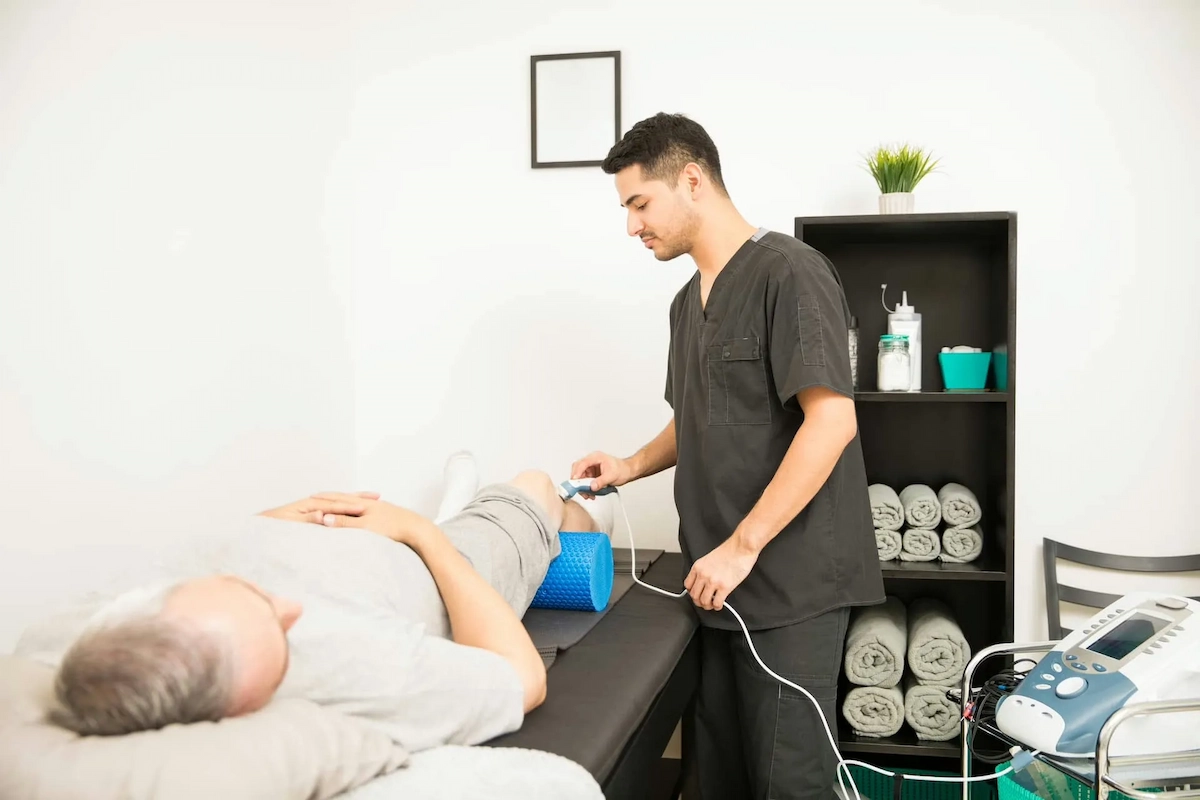
A typical visit is short and needs no downtime afterward. We locate the sore section of the tendon, apply a gel, and pass the device over the area while it delivers the waves.
You may feel a tapping sensation and some tenderness during treatment, and it is normal for the area to feel a little sore for a day or two after. Most people return to their usual routine the same day.
Results build over a series of sessions rather than a single visit. More stubborn or long-standing tendon issues generally need more sessions, and how quickly each person responds varies.
Who Is a Good Candidate for Shockwave
Shockwave tends to help most when Achilles pain has been hanging around for weeks or months and has not responded to rest, stretching, footwear changes, or activity adjustments. If you are stuck in that frustrating middle ground, it is worth a conversation.
It is not right for everyone. We do not use it over an acute complete tendon tear, and there are specific situations where it is not appropriate, which is exactly why an in-person evaluation comes first. Shockwave is meant to complement good care, not replace a proper diagnosis. If your situation calls for imaging or a specialist, we will tell you plainly.
What We Combine With Shockwave at Kaurich Chiropractic
Shockwave gives the tissue a reason to heal, but how you load and move the tendon is what protects the progress. That is why we rarely use it on its own.
Alongside HealthWave RX, we often use chiropractic rehabilitation with targeted strengthening for the calf and tendon, plus guidance on footwear, training changes, and how to ease back into activity without flaring things up. When the foot mechanics or nearby joints are part of the problem, addressing those helps too.
Dr. Kevin Kaurich has spent nearly 30 years helping people around South Bend and the wider Michiana area recover from stubborn pain without jumping straight to surgery or long-term medication. If you have dealt with heel or foot pain before, you may also find our post on plantar fasciitis treatment helpful, since the two problems often show up in similar patients.
Talk to Us About Your Achilles Pain
If Achilles tendon pain in South Bend has slowed you down and the usual fixes have not stuck, we are happy to take a look and walk through your options. Call us at 574-282-2828 or reach out through our contact page to schedule a visit.