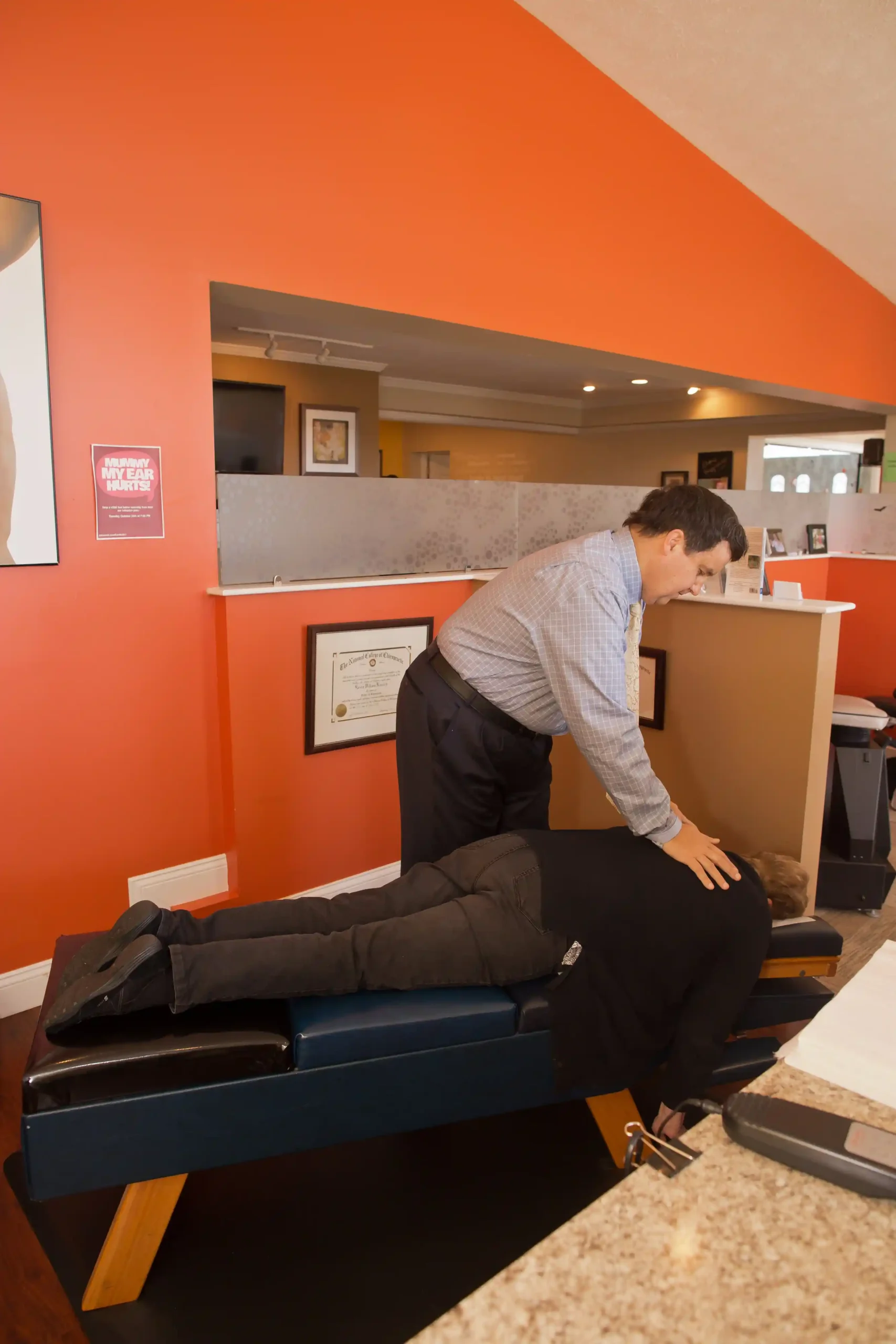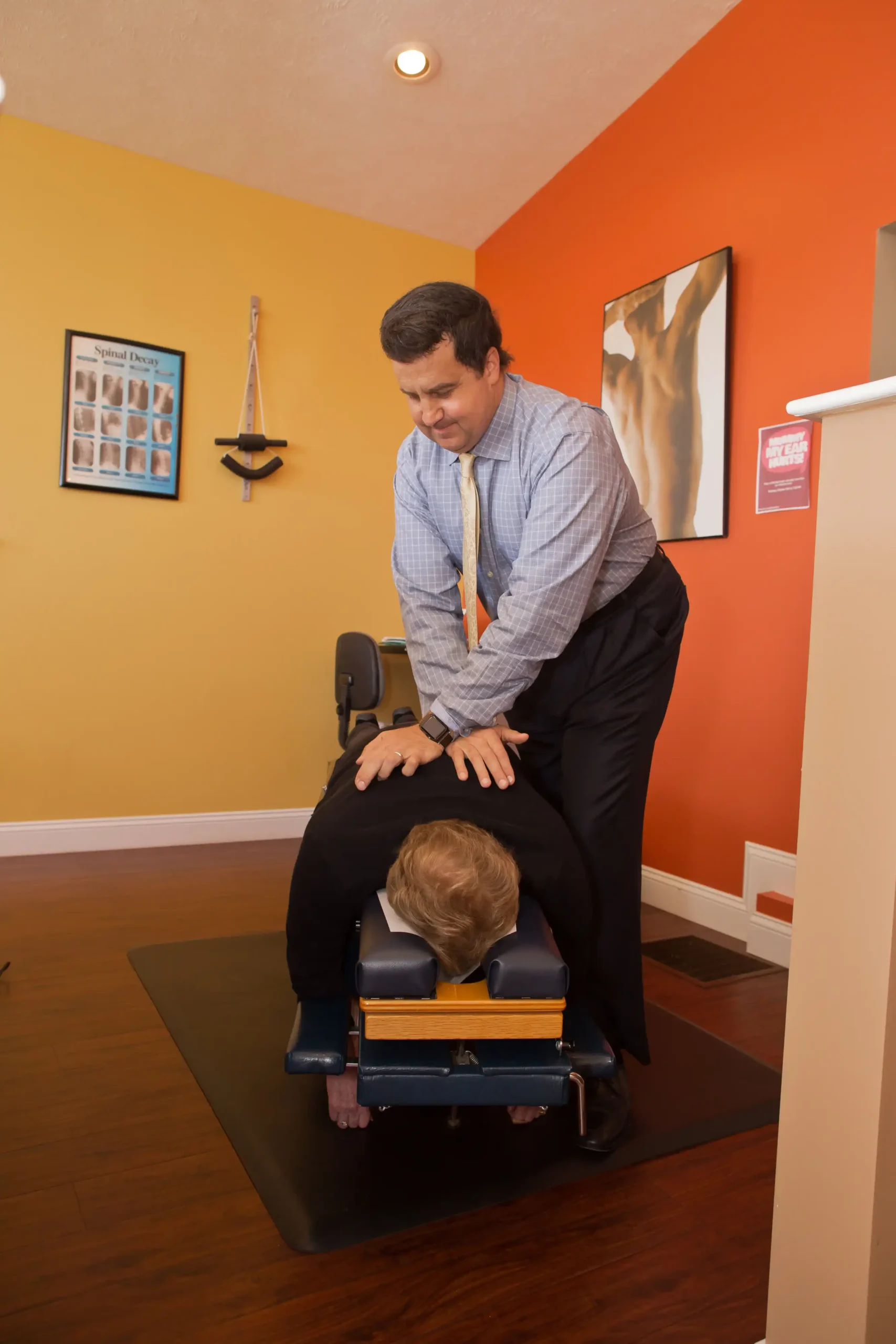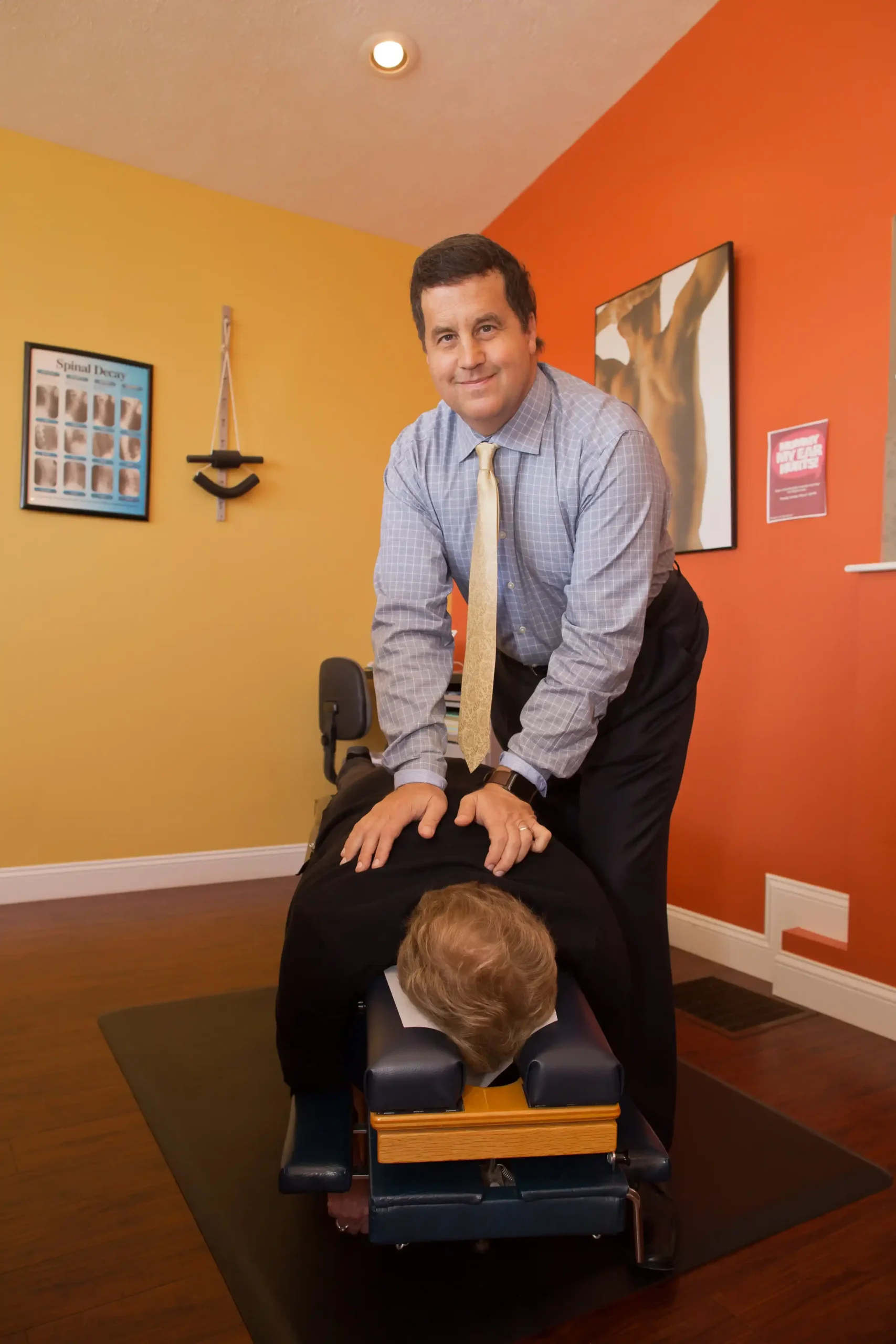
If you’ve ever been on a chiropractic table and felt a section of it drop slightly during an adjustment, you’ve experienced the Thompson Drop-Table technique firsthand. It’s one of the more distinctive approaches in chiropractic care – and for patients who are curious about why their chiropractor uses it, or who are researching adjustment options before their first visit, understanding how it works can make the whole experience feel a lot less mysterious.
Why the Table Moves at All
It’s a fair question. Most people picture a chiropractic adjustment as the chiropractor doing all the work with their hands. And for many techniques, that’s accurate. But the Thompson Drop-Table method is built on a different idea: what if the table itself could assist the adjustment, reducing the force the chiropractor needs to apply while still achieving the same – or better – result?
That’s exactly what it does. The Thompson table has segmented sections corresponding to different spinal regions – cervical, thoracic, lumbar, and pelvic. Each section can be raised slightly and locked in a cocked position before the adjustment. When the chiropractor applies a quick, controlled thrust to the target spinal segment, the table section releases and drops a short distance – typically about an inch – at the same moment.
The dropping motion adds momentum to the adjustment without requiring additional manual force. It also creates a brief distraction effect – a momentary separation of the joint surfaces that enhances mobility and reduces the resistance the patient’s body would otherwise present. The net result is an adjustment that achieves effective spinal correction with a noticeably lighter touch than traditional manipulation requires.
What It Actually Feels Like
Patients who experience a Thompson adjustment for the first time often comment on how different it feels from what they expected. The force is lighter. There’s less of the twisting or repositioning that some people find uncomfortable with traditional manipulation. The dropping sensation beneath them is usually described as gentle – more of a cushioned give than anything jarring.
Some patients still hear and feel the joint release that accompanies a successful adjustment. Others experience very little audible response, particularly when the drop mechanism does most of the work. Either way, most people find the Thompson technique more comfortable than they anticipated – which matters a great deal for patients who have avoided chiropractic care because they were apprehensive about forceful manipulation.
The Leg Length Assessment That Goes With It
One of the distinctive elements of the Thompson technique is the leg length analysis that typically precedes the adjustment. With the patient lying face down, the chiropractor assesses the apparent length of both legs – looking for functional discrepancies that serve as indicators of pelvic and spinal misalignment.
This isn’t about measuring actual bone length. It’s a functional assessment – a way of identifying which side of the pelvis is elevated or rotated, which spinal segments are involved, and how the body is compensating for the underlying pattern. It adds a layer of analytical precision to the evaluation that guides where the drop adjustments are applied and in what direction correction is needed.
For patients with lower back pain or pelvic complaints where the source of the problem isn’t immediately obvious from standard palpation alone, this assessment often reveals patterns that direct the treatment more specifically than guesswork would allow.
Conditions Where Thompson Drop-Table Is Particularly Useful
Pelvic and Sacroiliac Joint Dysfunction
The Thompson technique was originally developed with a strong focus on the pelvis and sacroiliac joints – the joints where the base of the spine meets the pelvis on either side. These joints have limited natural mobility and can be difficult to correct with standard manual technique. The drop mechanism makes pelvic adjustments more effective and more comfortable, which is why Thompson is often the first choice for patients whose lower back pain has a pelvic or SI joint origin.
Patients Who Guard or Tense During Adjustments
Muscle guarding – the involuntary bracing response that happens when someone anticipates a forceful manipulation – is one of the most common reasons adjustments are less effective than they could be. When the muscles tighten up in anticipation, the chiropractor has to work against that resistance, which increases the force needed and often makes the experience less comfortable. Because Thompson adjustments happen quickly and require less buildup, they’re harder to anticipate and guard against. Patients who have tensed up during previous chiropractic visits often find Thompson significantly more manageable.
Larger or More Muscular Patients
For patients whose body structure makes traditional high-velocity manipulation physically demanding for the chiropractor to execute precisely, the table assistance changes the equation. The drop mechanism amplifies the effect of a controlled, lower-force input – meaning precision isn’t sacrificed for power.
Sciatica with a Pelvic Component
Not all sciatica originates from lumbar disc problems. Pelvic misalignment and sacroiliac dysfunction can contribute to or directly cause sciatic-type symptoms. For patients in this category, Thompson Drop-Table adjustment of the pelvis and lower lumbar spine addresses the structural source of the nerve irritation in a way that lumbar-focused techniques alone don’t reach.
How It Fits Alongside Other Techniques
At Kaurich Chiropractic & Wellness Center in South Bend, the Thompson Drop-Table is one of five adjustment techniques Dr. Kevin Kaurich uses. The others – Diversified, Activator, Gonstead, and Flexion-Distraction – each have their own strengths and ideal applications. In practice, many patients receive a combination of techniques across different spinal regions in the same visit, with the selection driven by what each area of the spine actually needs.
The Thompson technique tends to be applied most often to the lumbar spine, pelvis, and sacroiliac region, while other techniques are used for cervical and thoracic segments depending on the presentation. That layered approach – matching the tool to the specific segment and condition – is what makes multi-technique chiropractic care more effective than any single method applied universally.
If you’ve been curious about what happens during a chiropractic adjustment and want to understand your options, or if you’re dealing with lower back or pelvic pain and want to find out what’s driving it, we’d be glad to talk through your situation. Contact us online or call our South Bend office at 574-282-2828.