Heel spurs are small calcium deposits that build up on the heel bone, often alongside chronic heel pain and tight tissue in the sole of the foot. HealthWave RX shockwave therapy, offered at our South Bend office, may help by prompting the irritated tissue to heal and easing the pain, even when a spur is present. The spur itself is often not the whole story, so treatment usually targets the surrounding soft tissue too. As always, the right plan starts with a proper look at your foot.
What Heel Spurs Are and What They Are Not
A heel spur is a bony growth that forms on the underside of the heel bone, usually where soft tissue attaches. They tend to develop slowly over time in response to ongoing strain on the foot.
Here is a point that surprises a lot of people: the spur itself is often not the direct cause of the pain. Plenty of people have heel spurs with no symptoms at all. The pain usually comes from the irritated, strained soft tissue around the heel, which is why chasing the spur alone often misses the mark.
How Chronic Heel Pain Feels
Most people describe a sharp or deep ache under the heel, worst with the first steps in the morning or after sitting a while. It may ease as you warm up, then return after long periods of standing or walking.
When this pattern drags on for months, it wears on you. Simple things like a walk around the neighborhood or a day on your feet at work start to feel like a chore.
Why Heel Pain Gets Stuck
The tissue on the underside of the foot takes constant load, and once it is irritated, it can be slow to settle. Repeated standing, walking on hard surfaces, and unsupportive footwear keep re-aggravating it.
When the tissue is irritated faster than it can recover, the problem becomes chronic. That stalled-out state is exactly where a healing-focused treatment can make a difference.
How Shockwave Therapy Fits In
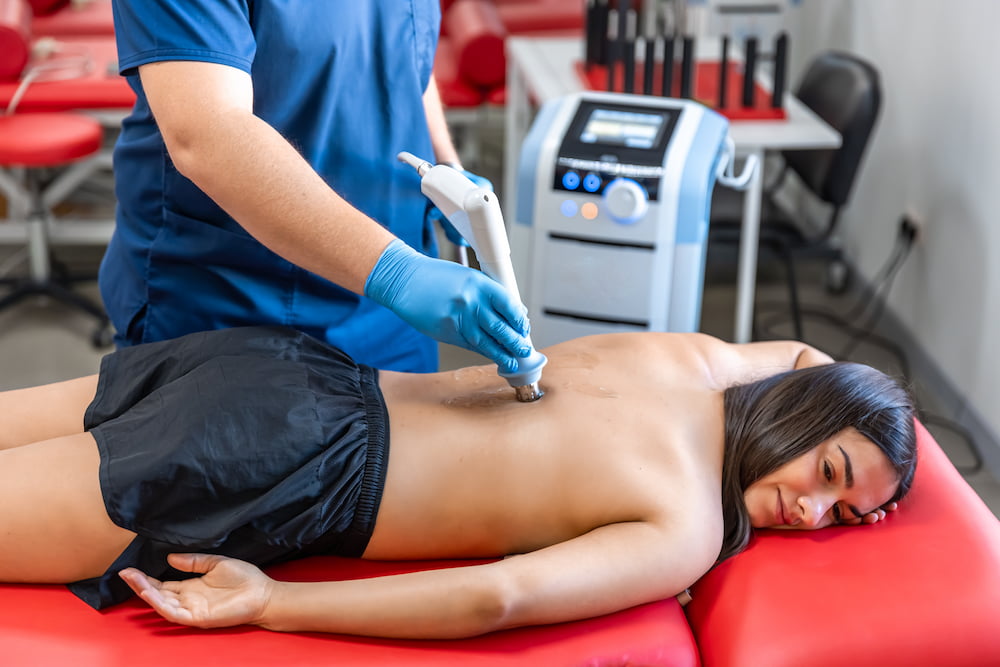
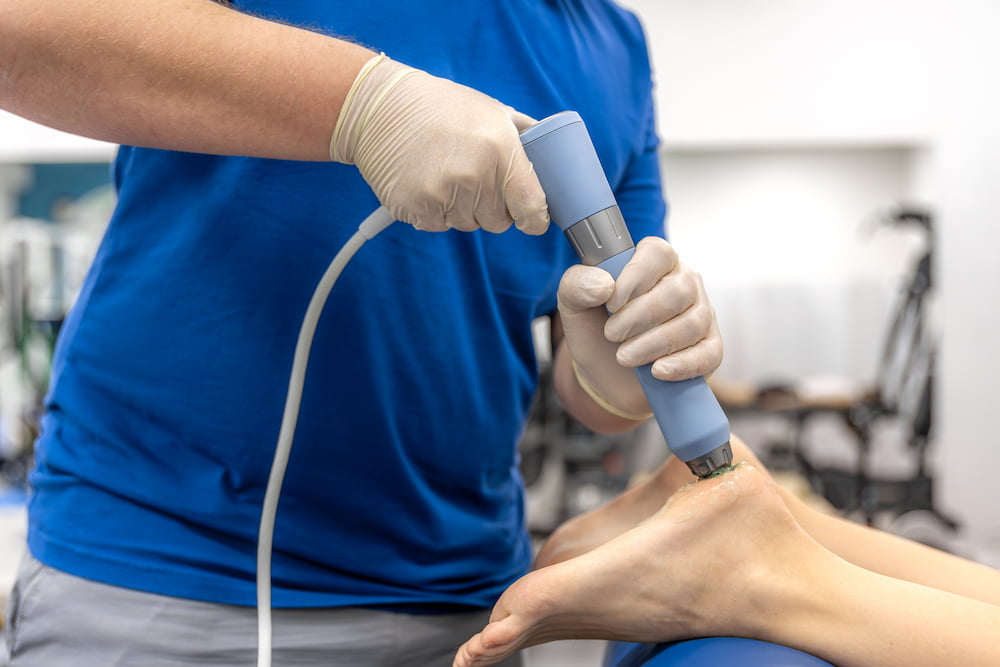
HealthWave RX delivers focused acoustic waves into the affected part of the heel and sole. Those pulses create a controlled stress that appears to restart a stalled healing response, supporting blood flow and encouraging the tissue to repair.
For chronic heel pain, the aim is to improve the irritated tissue rather than just quiet the ache for a few days. You can read more about how it works on our HealthWave RX shockwave therapy page.
What a Session Is Like
Treatment is short and needs no downtime. We locate the sore area, apply gel, and pass the device over the heel while it delivers the waves. You may feel a tapping sensation and some tenderness during treatment, and mild soreness for a day or two afterward is normal.
Results build over a series of sessions, and more stubborn heel pain generally takes more treatment. How quickly each person responds varies.
The Bigger Picture for Your Feet
Because heel pain is so often tied to how you load and support the foot, the tissue needs more than the waves alone. Alongside shockwave, we often use chiropractic rehabilitation with stretching and strengthening for the foot and calf, plus guidance on footwear and activity.
Heel spurs and plantar fasciitis often overlap, since both involve the same strained tissue on the bottom of the foot. If your pain sounds more like the fascia itself, our post on plantar fasciitis treatment in South Bend is a useful companion read. Dr. Kevin Kaurich has spent nearly 30 years helping people around South Bend and Michiana get back on their feet without surgery.
When to Seek Other Care
Shockwave is often a good fit when heel pain has lasted for weeks or months and has not responded to rest, stretching, or better footwear. It is not right for every case, though.
Some heel pain has other causes that need imaging or a different approach, which is why an in-person evaluation comes first. If your situation would be better served another way, we will tell you honestly.
Talk to Us About Your Heel Pain
If heel spurs or chronic heel pain in South Bend have slowed you down, we are happy to take a look and walk through your options. Call 574-282-2828 or reach out through our contact page to schedule a visit.