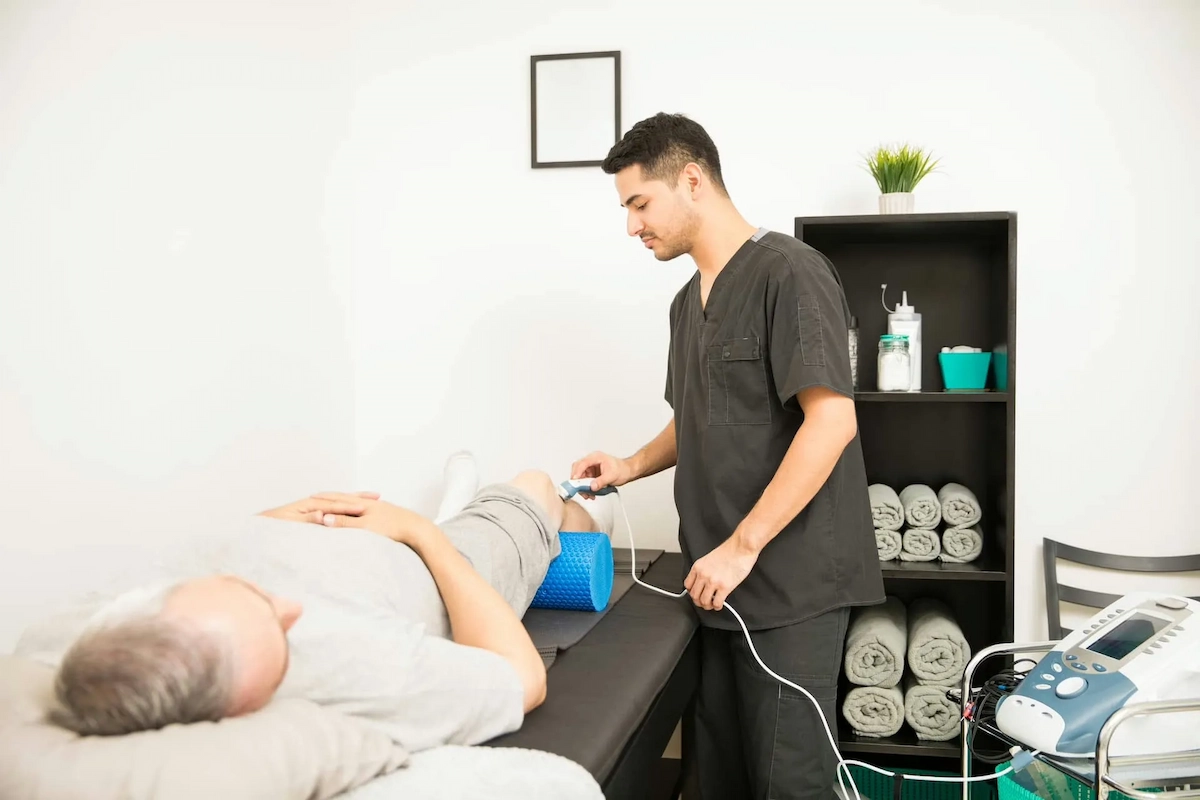

Arthritis can be a challenging condition, causing pain, stiffness, and reduced mobility. While professional medical treatments are essential, managing arthritis pain at home can significantly enhance your quality of life. Here are some practical and effective tips to help you manage arthritis pain and maintain your well-being from the comfort of your home.
Stay Active with Low-Impact Exercises
Regular exercise is crucial for managing arthritis pain. Low-impact exercises, such as swimming, walking, or cycling, can help maintain joint flexibility and strengthen the muscles around your joints without putting too much stress on them.
Tip: Aim for at least 150 minutes of moderate exercise each week. Consult with a physical therapist to develop a personalized exercise routine.
Incorporate Stretching and Flexibility Exercises
Stretching exercises can help improve the range of motion in your joints and reduce stiffness. Gentle stretching can also enhance overall joint function and decrease pain.
Tip: Incorporate stretching exercises like yoga or tai chi into your routine. These activities promote flexibility and relaxation.
Apply Heat and Cold Therapy
Heat and cold therapies can provide relief from arthritis pain. Heat therapy helps relax muscles and increase blood flow, while cold therapy can reduce inflammation and numb the area to relieve pain.
Tip: Use a warm towel or heating pad for heat therapy, and an ice pack wrapped in a cloth for cold therapy. Apply for 15-20 minutes at a time, and alternate as needed.
Maintain a Healthy Weight
Excess weight puts additional stress on your joints, which can exacerbate arthritis pain. Maintaining a healthy weight can help reduce joint strain and improve overall function.
Tip: Focus on a balanced diet rich in fruits, vegetables, lean proteins, and whole grains. Consult with a nutritionist for personalized advice on managing your weight.
Use Assistive Devices
Assistive devices can make daily activities easier and less painful. Tools like grab bars, ergonomic utensils, and supportive braces can help you manage arthritis more effectively.
Tip: Explore various assistive devices designed to reduce joint strain and make everyday tasks more manageable. Your healthcare provider can recommend appropriate devices.
Practice Good Posture
Maintaining proper posture can help alleviate stress on your joints and reduce pain. Poor posture can contribute to joint discomfort and exacerbate arthritis symptoms.
Tip: Pay attention to your posture when sitting, standing, and moving. Use ergonomic furniture and supportive cushions if needed.
Stay Hydrated and Eat an Anti-Inflammatory Diet
Proper hydration and a diet rich in anti-inflammatory foods can support joint health and reduce arthritis symptoms. Foods like fatty fish, nuts, seeds, and leafy greens have anti-inflammatory properties.
Tip: Drink plenty of water throughout the day and incorporate anti-inflammatory foods into your diet. Avoid processed foods high in sugar and unhealthy fats.
Get Adequate Rest and Sleep
Quality sleep is essential for managing arthritis pain and overall health. Adequate rest helps your body repair itself and reduces fatigue, which can contribute to pain sensitivity.
Tip: Establish a consistent sleep routine, create a comfortable sleep environment, and avoid stimulants like caffeine before bedtime.
Practice Relaxation Techniques
Stress can worsen arthritis pain and contribute to muscle tension. Incorporating relaxation techniques like deep breathing, meditation, or progressive muscle relaxation can help manage stress and reduce pain.
Tip: Set aside time each day for relaxation practices. Apps or guided sessions can assist in learning and maintaining these techniques.
Keep a Pain Diary
Tracking your symptoms can help identify patterns and triggers for your arthritis pain. A pain diary can also provide valuable information for your healthcare provider to tailor your treatment plan.
Tip: Record your pain levels, activities, and any factors that seem to influence your symptoms. Review your diary regularly and share it with your healthcare provider.
Consider Alternative Therapies
Alternative therapies like acupuncture, massage, or chiropractic care can complement traditional treatments and provide additional relief from arthritis pain.
Tip: Explore these therapies with a qualified practitioner to determine if they are suitable for your specific needs.
Conclusion
Managing arthritis pain at home involves a combination of lifestyle changes, self-care strategies, and proper treatment. By incorporating these tips into your daily routine, you can take control of your arthritis and enhance your quality of life. Remember to consult with your healthcare provider before making significant changes to your treatment plan, and seek professional advice when needed. With the right approach, you can manage arthritis pain effectively and live a fulfilling life.