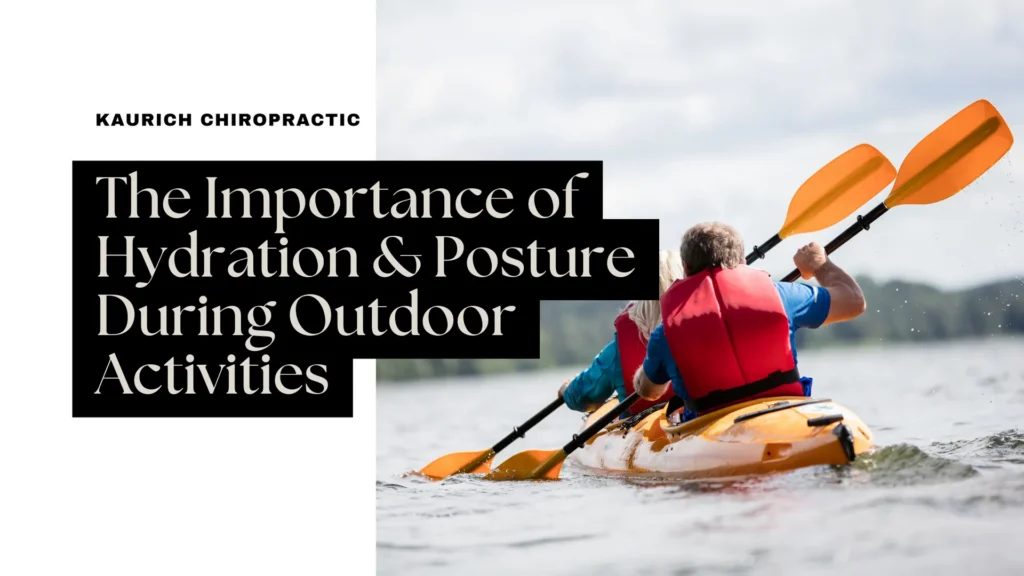
Staying hydrated and using good posture are two of the simplest ways to stay comfortable and avoid injury during outdoor activities. Drinking enough water helps regulate body temperature, prevent cramps, and keep your energy up, while good posture spreads the load on your spine and joints so you’re less likely to end up with back or neck pain. Whether you’re hiking, biking, running, or working in the yard around South Bend, a few habits go a long way.
Why Hydration Matters Outdoors
Water is involved in nearly every function in your body, and outdoor activity, especially in warm or humid weather, increases how much you lose through sweat.
- Regulates body temperature: sweating cools you down, but without enough fluid, you’re at higher risk of overheating.
- Helps prevent muscle cramps: dehydration and lost electrolytes can contribute to muscle fatigue and cramping.
- Supports energy and focus: even mild dehydration can cause fatigue, headaches, and trouble concentrating.
- Helps you move comfortably: when you’re well hydrated, it’s easier to stay coordinated and avoid the sloppy movement that leads to strains.
Simple Hydration Habits
- Drink water before you head out, not just once you’re thirsty.
- Carry a reusable water bottle and sip regularly during activity, especially in hot or humid conditions.
- For long or intense sessions with heavy sweating, a drink with electrolytes can help replace what you lose.
- Check your urine color. Pale yellow is a good sign, while dark yellow means you need more fluid.
- Don’t overdo it. Drinking very large amounts of plain water during long events without replacing salt can be harmful too.
Signs of Dehydration and Heat Illness
Early dehydration often shows up as thirst, a dry mouth, headache, fatigue, and dark urine. Heat exhaustion can bring heavy sweating, dizziness, nausea, and muscle cramps. If that happens, stop, move to a cool place, drink fluids, and rest.
Call 911 for signs of heat stroke: confusion, slurred speech, fainting, a very high body temperature, or hot skin that may stop sweating. Heat stroke is a medical emergency.
The Role of Posture in Outdoor Activities
Good posture helps your body move efficiently and spreads the load on your spine and joints. Here’s what to focus on for common activities:
Running and Walking
Stay tall with your shoulders relaxed, your gaze ahead rather than at your feet, and your core gently engaged. Avoid leaning far forward from the waist, which strains the lower back and neck.
Cycling
Set your seat and handlebar height so you’re not hunched over or reaching too far. A good bike fit helps prevent lower back pain and neck strain on longer rides.
Hiking
Keep your spine tall and use your legs for climbing and descending. Adjust your backpack so it sits close to your body, use the hip belt to carry weight on your hips rather than your shoulders, and consider trekking poles on steep or uneven trails.
Gardening and Yard Work
Gardening season in Michiana brings a lot of bending, lifting, and kneeling. Bend at your hips and knees, keep loads close to your body, and avoid twisting while lifting. Use a kneeling pad or garden stool, switch tasks often, and take breaks to stand and stretch.
Don’t Forget Cold-Weather Activity
Hydration and posture matter in winter too. In cold, dry air you still lose fluid through breathing and sweat under layers, but you’re less likely to feel thirsty, so keep drinking water during winter walks and outdoor chores.
Snow shoveling is one of the most common causes of winter back strain in Michiana. Warm up first, push snow rather than lifting it when you can, lift small loads by bending your hips and knees, and avoid twisting to throw snow over your shoulder. Shoveling is also hard on the heart, so stop and call 911 for chest pain, unusual shortness of breath, or dizziness.
Warm Up and Cool Down
A few minutes of light movement before you start, like walking, arm circles, and gentle leg swings, prepares your muscles and joints for activity. Afterward, gentle stretching helps you stay flexible and reduces stiffness the next day. For post-activity soreness, our post on ice or heat for pain explains which to use.
How Chiropractic Care Can Help
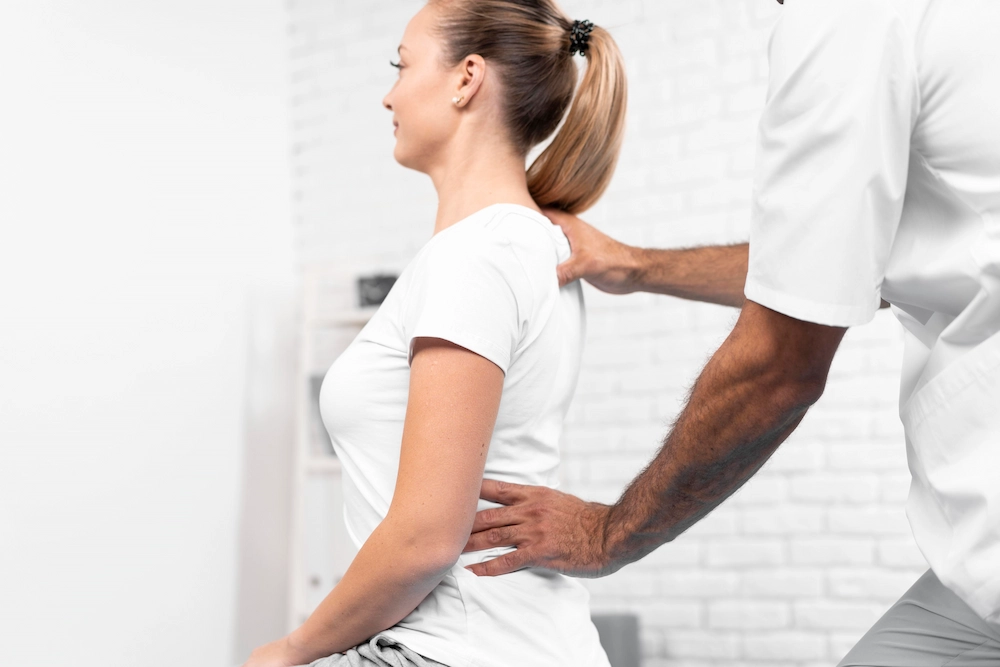
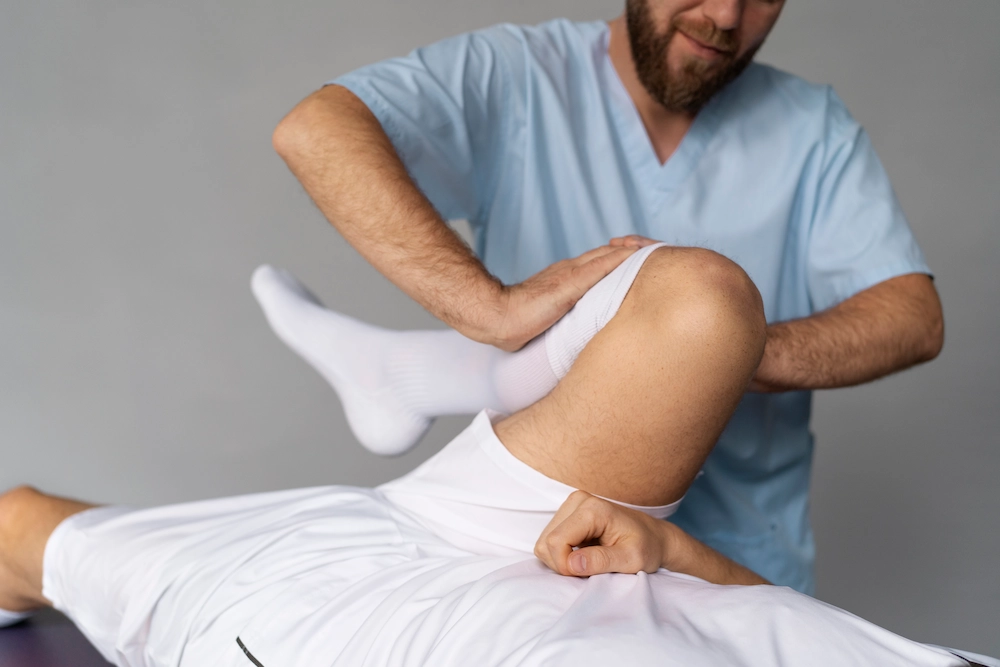
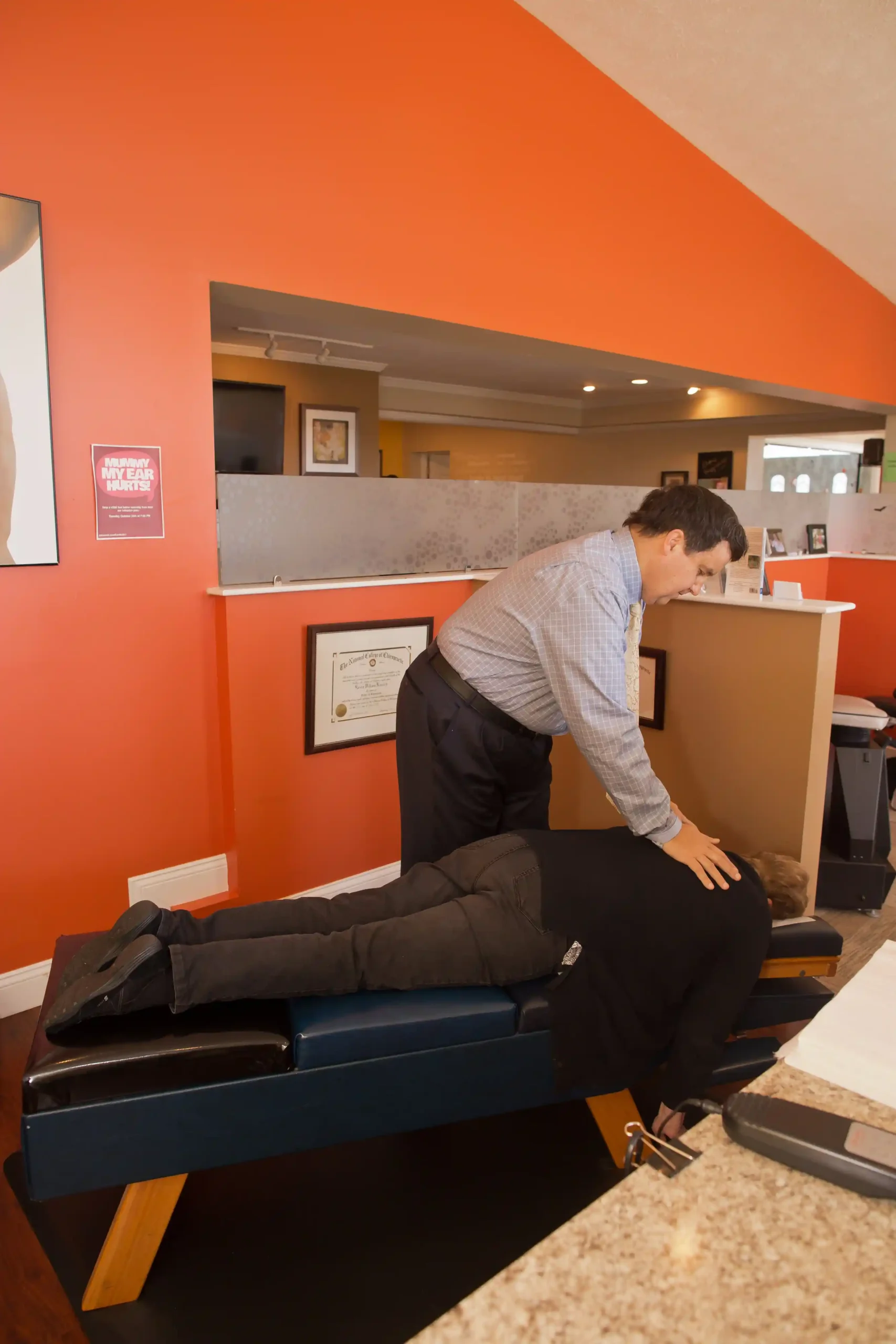
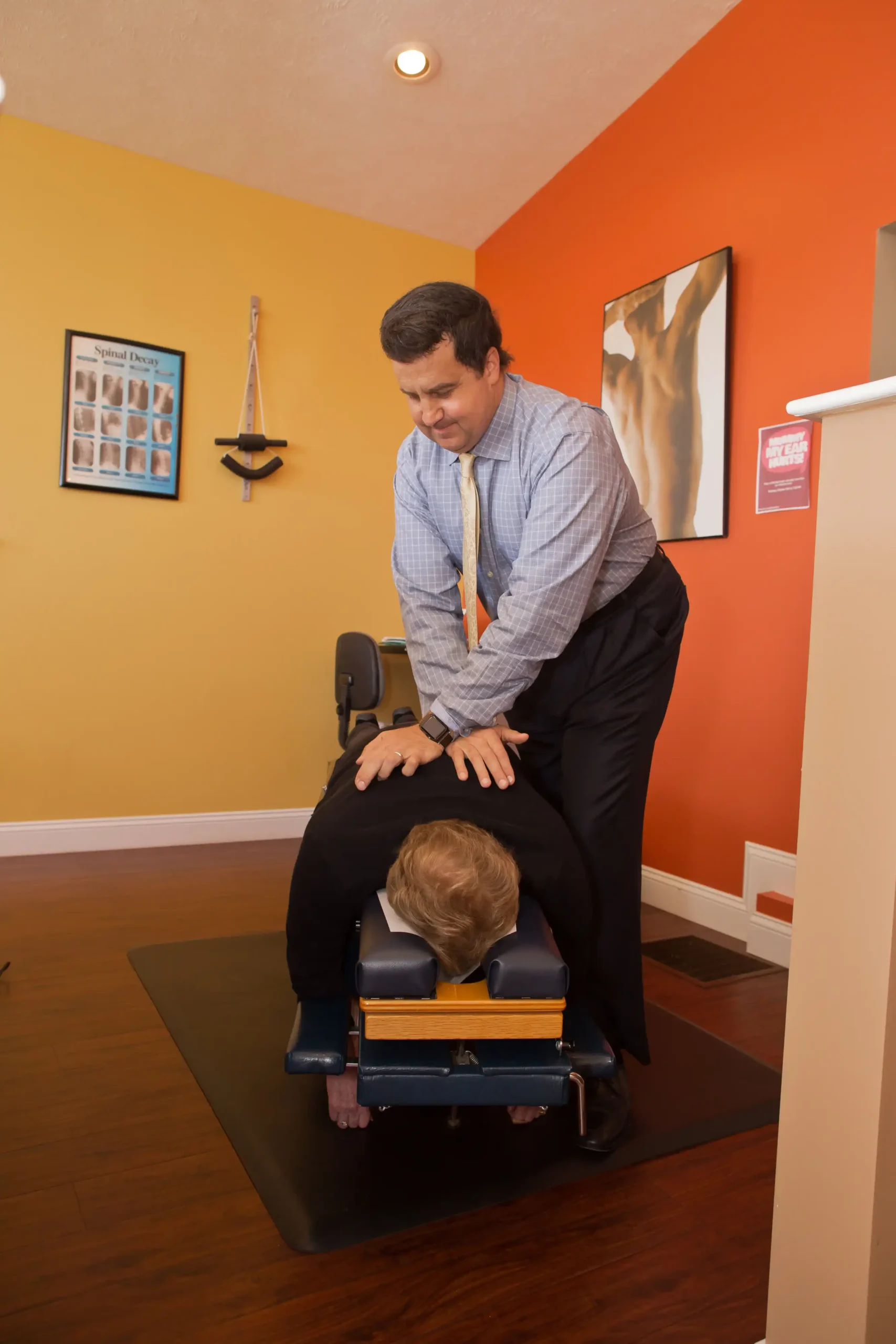
If outdoor activities leave you with back pain, neck stiffness, or tight, sore muscles, chiropractic care can help restore joint motion and ease tension so you can keep doing what you enjoy. Chiropractic rehabilitation adds exercises that build the strength and stability your body needs for an active lifestyle, and Dr. Kaurich can offer guidance on posture for your specific activities.
We often see patients after the first warm weekends of spring, when people jump straight into long days of yard work or ramp up their running and biking after a quiet winter. Easing into activity over a few weeks gives your muscles and joints time to adjust and can help you avoid that early-season soreness.
When to Get Pain Checked
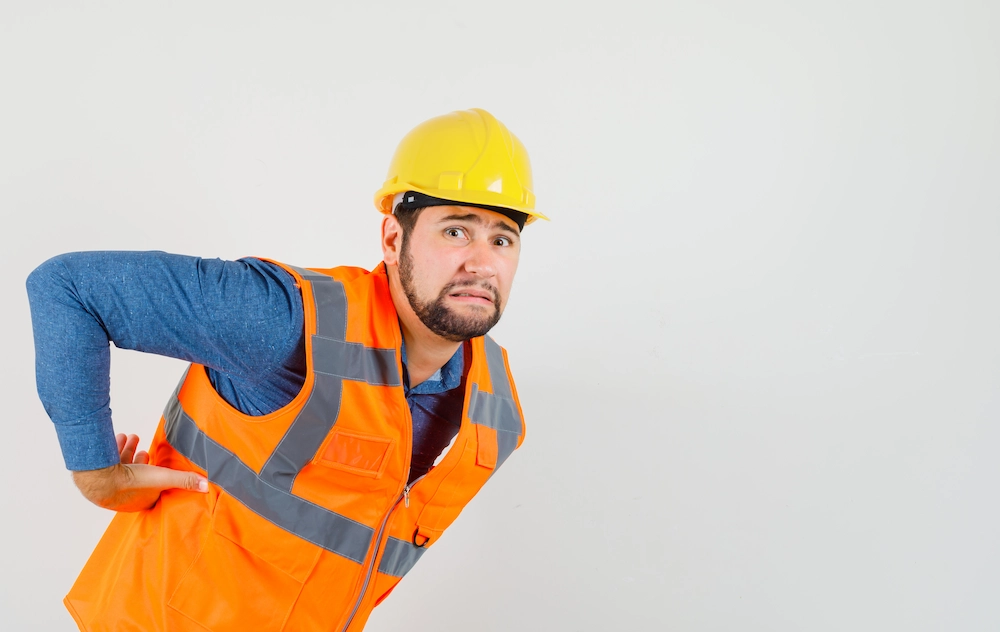
See a doctor promptly for pain after a fall, numbness or weakness in your arms or legs, a joint that’s hot and swollen, or back pain with fever. For aches that linger more than a week or two or keep coming back after activity, a chiropractic evaluation can help find the cause.
Frequently Asked Questions
How much water should I drink during outdoor activity?
It depends on the heat, how hard you’re working, and how much you sweat. Drink before you start, sip regularly during activity, and use urine color as a simple guide.
Can dehydration cause back pain?
Dehydration can contribute to muscle cramps and fatigue, which may make back muscles feel tight or sore. Most back pain during activity is more closely tied to posture, lifting habits, and conditioning.
Is it better to bend at the knees when lifting?
Bending at both the hips and knees, keeping the load close, and avoiding twisting is a good general approach. Strengthening your legs and core also makes lifting easier on your back.
Should I stretch before or after outdoor activity?
Light, moving warm-ups work best before activity, while longer, gentle stretches are better afterward when your muscles are warm.
Stay Hydrated, Stay Aligned, Stay Active
Prioritizing hydration and good posture helps you make the most of your time outdoors with less discomfort and lower injury risk. If joint pain, muscle tension, or posture problems are holding you back, call 574-282-2828 or reach out through our contact page to schedule a visit with Dr. Kevin Kaurich in South Bend.