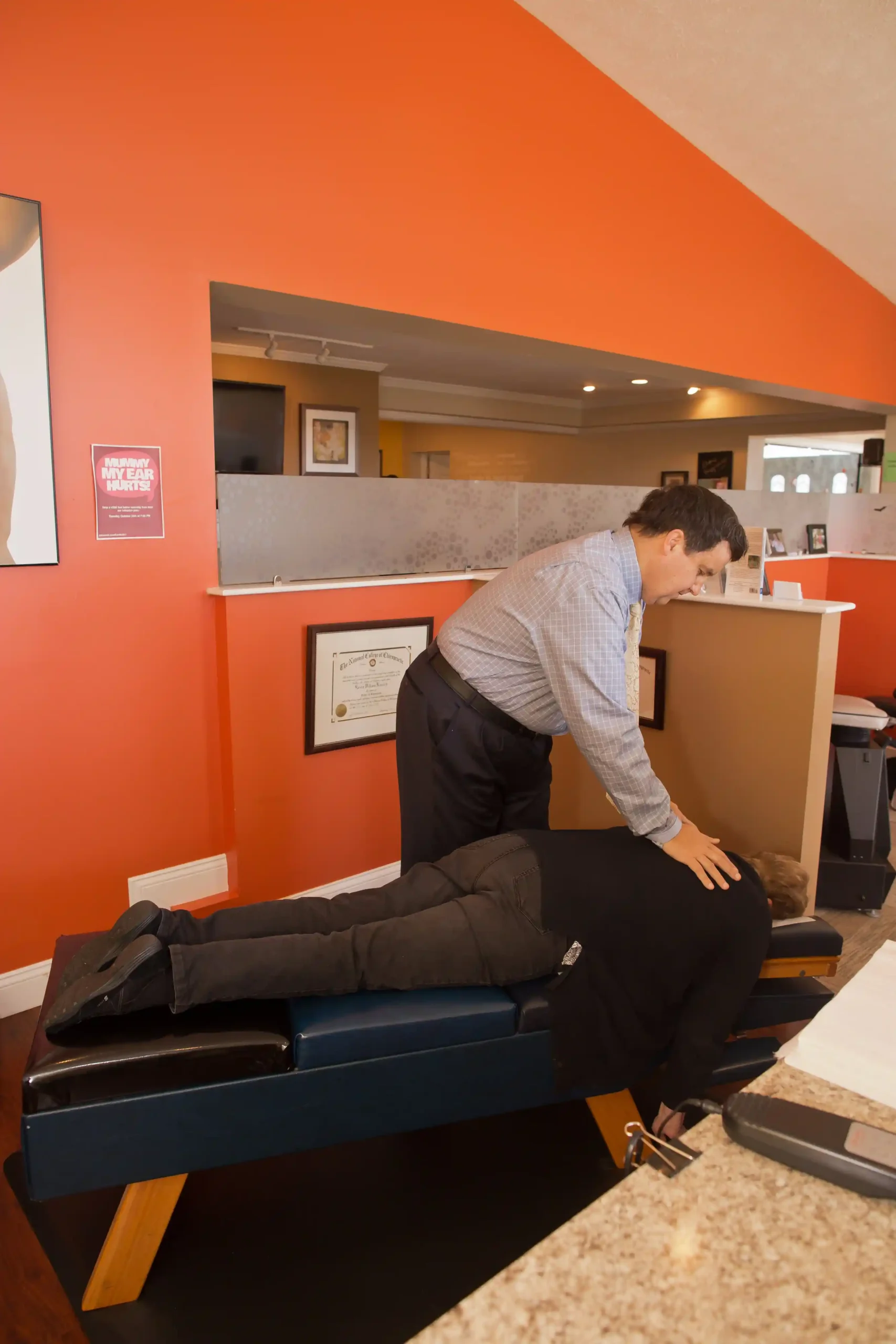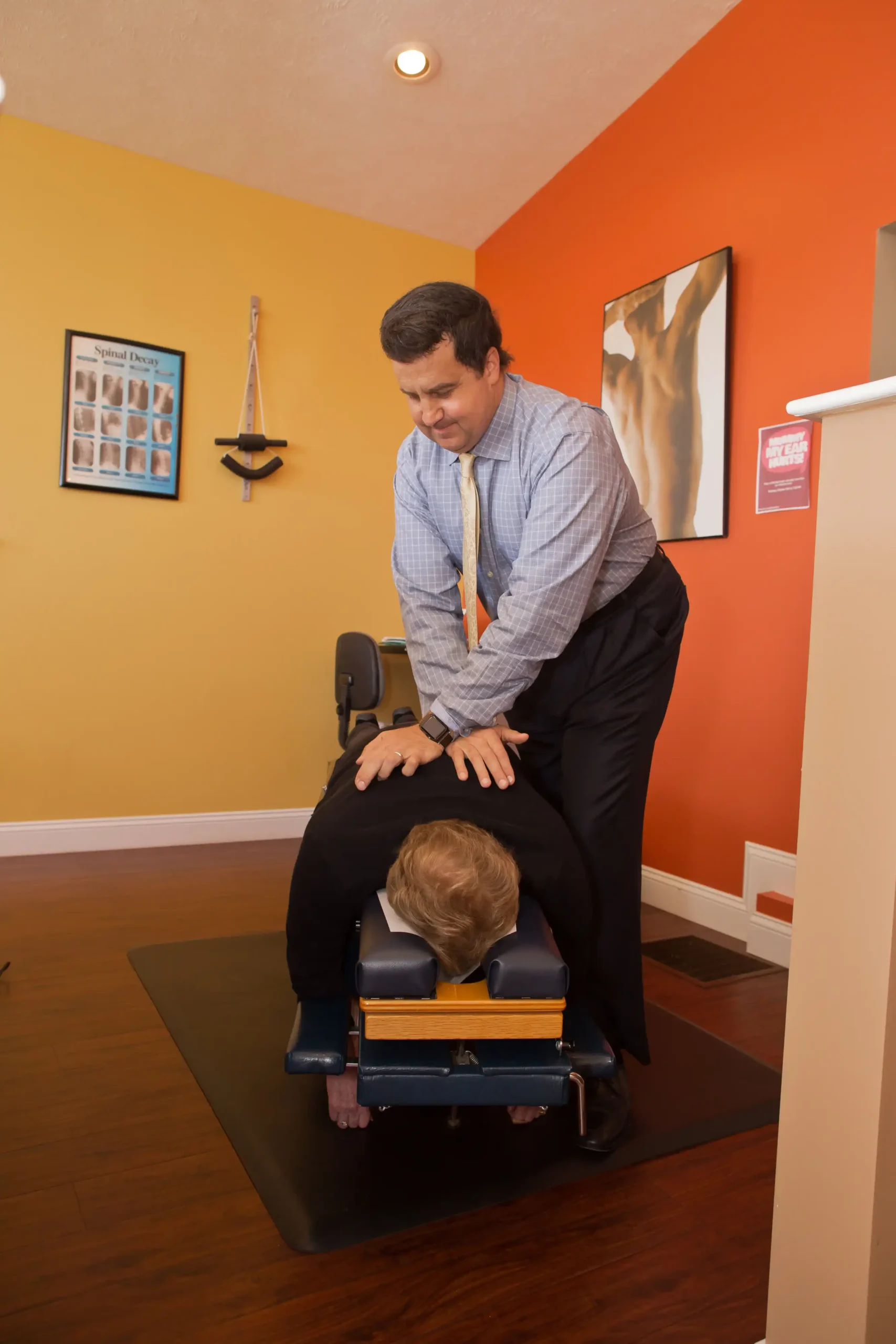

Chiropractic care for seniors in South Bend can be safe, gentle, and genuinely helpful, and the idea that it becomes less appropriate as the body ages is one of the most persistent myths we hear at Kaurich Chiropractic & Wellness Center. Older adults often have a lot to gain from conservative, drug-free care that eases pain, stiffness, and reduced mobility. With the right low-force techniques, chiropractic can help you keep moving, keep your independence, and rely less on pain medication.
The Benefits of Chiropractic Care for Seniors
For older adults, the goal is not just easing pain. It is staying active and independent, whether that means gardening, golfing, or keeping up with grandkids through a long Michiana winter. Chiropractic care can help by:
- Easing arthritis-related back, neck, and joint pain
- Improving mobility and range of motion
- Supporting balance as part of a fall-prevention plan
- Offering drug-free relief that can reduce reliance on pain medication
- Helping maintain the independence that matters most
Why Chiropractic Is Particularly Relevant for Older Adults
The spine changes as the body ages. Discs lose height and hydration, joints develop arthritic changes, ligaments become less elastic, and posture habits built over decades create cumulative strain. These changes are normal and happen to everyone. But they set the stage for pain, restricted movement, and nerve irritation that many older adults simply accept as inevitable.
What is often missed is that many of those symptoms are much more manageable with the right conservative care. A chiropractic adjustment restores motion to restricted joints, can ease irritation of nearby nerves, and lets the surrounding muscles work with less tension. The degenerative changes in the background may not go away, but their impact on daily function often improves.
This drug-free approach lines up with where the broader medical field has been heading. In 2017, the American College of Physicians updated its guidelines to recommend non-drug options, including spinal manipulation, as a first-line approach for low back pain before medication. For seniors already managing several prescriptions, that matters.
Adapting Chiropractic Techniques for Older Patients
One reason some older adults hesitate is the belief that every adjustment involves forceful spinal twisting. That is not accurate, and it is especially not the case at our South Bend practice, where Dr. Kevin Kaurich uses five different adjustment techniques and chooses the approach based on each patient’s condition and comfort level.
Activator Method
A handheld instrument delivers a precise, low-force impulse to specific spinal segments, with no twisting, no high-velocity thrust, and usually no popping. It is among the gentlest options available and is well suited for seniors with osteoporosis, significant arthritis, or a preference for a lighter touch. You can read more in our guide to the Activator Method for seniors.
Flexion-Distraction
A specialized table creates gentle spinal decompression through a controlled, rhythmic motion, with no thrusting involved. It works through sustained movement rather than force, which makes it a good fit for seniors with disc conditions, spinal stenosis, or significant degenerative changes.
Thompson Drop-Table
This low-force technique uses a table with sections that drop slightly during the adjustment, reducing the force needed to move restricted spinal segments. It is comfortable for patients whose joints call for a gentler approach. Learn more in our post on the Thompson Drop-Table technique.
The right technique, or combination of techniques, comes from the evaluation, not from a default protocol applied to every older patient.
Conditions We Commonly Treat in Senior Patients
Arthritis-Related Back and Neck Pain
Osteoarthritis of the spine is very common in older adults. While the arthritic changes themselves cannot be reversed, the pain and stiffness they cause often respond well to care. Keeping the joints as mobile as possible reduces the pain that builds when arthritic joints stiffen further from inactivity. Our post on how chiropractic helps arthritis pain goes deeper on this.
Spinal Stenosis
Narrowing of the spinal canal from degenerative changes can compress nerve roots, producing the heavy, aching leg symptoms, often worse with walking or standing, that mark lumbar stenosis. Flexion-Distraction can provide temporary decompression of the affected area and often eases symptoms for patients who prefer to try conservative care first.
Neuropathy
Peripheral neuropathy, the numbness, tingling, and burning pain most often felt in the feet, becomes more common with age, especially among older adults with diabetes or circulatory conditions. Our neuropathy treatment program looks at the spinal, circulatory, and lifestyle factors behind nerve symptoms, offering a conservative approach that complements your medical care.
Chronic Back Pain
Long-standing back pain from degenerative changes, old injuries, or accumulated strain is one of the most common reasons older South Bend patients seek care. Many are surprised by how much improvement is possible even when the pain has been present for years.
Neck Pain and Cervicogenic Headaches
Age-related neck changes and a lifetime of posture habits make neck pain and headaches that start in the neck very common in older adults. Chiropractic care can ease the joint stiffness and muscle tension that drive both.
Balance and Fall Risk
Falls are a leading cause of serious injury in older adults. Stiff joints and weaker muscles can affect balance, and some research suggests chiropractic care may improve certain balance-related measures, though more study is needed on actual fall prevention. Strength and balance exercise is one of the best-supported ways to lower fall risk, and a structured chiropractic rehabilitation plan can add that work for patients who need it.
Is Chiropractic Safe for Seniors with Osteoporosis?
This is one of the most common questions we hear from older patients and their families. The honest answer is that it depends on the severity of the osteoporosis and the techniques used. High-velocity spinal manipulation is not appropriate for patients with significant osteoporosis. But low-force techniques like the Activator Method, Flexion-Distraction, and Thompson Drop-Table are appropriate for many osteoporotic patients.
The evaluation identifies any reasons to modify or avoid certain techniques before treatment begins. If a patient’s bone density makes certain approaches inappropriate, we use ones that are safe for their situation, or we are honest about the limits and help coordinate with their medical provider.
When to See a Doctor First
See a doctor promptly for back pain after a fall, sudden new back pain if you have osteoporosis, pain with fever, unexplained weight loss, or a history of cancer, or new weakness in your legs. Loss of bladder or bowel control, or sudden dizziness with trouble speaking or facial drooping, needs emergency care right away.
Does Medicare Cover Chiropractic Care?
In general, yes, at least in part. Medicare Part B covers manual manipulation of the spine when it is medically necessary to correct a spinal problem. Medicare does not cover other services a chiropractor might provide, such as X-rays or exams, in the same way, so coverage is narrower than many people expect.
Because plans and circumstances vary, it is always best to check your specific coverage. Our South Bend office accepts most major insurance plans including Medicare, and our team is happy to help you understand what your visit involves before you commit to anything.
Starting Care as a Senior Patient at Our South Bend Office
New patients can complete their intake paperwork online before the first visit to keep wait time short. The initial evaluation includes a thorough health history, a physical exam appropriate to your age and conditions, and a straightforward conversation about what the findings suggest, what care options are realistic, and what outcomes are reasonable to expect. Saturday appointments are available for patients who cannot come during the week.
Frequently Asked Questions
Is chiropractic safe for elderly patients?
For most seniors, yes, when the techniques are matched to their health. Low-force, instrument-assisted options make care appropriate for many patients with osteoporosis or significant arthritis, and a thorough evaluation identifies anything that calls for a modified approach.
Does Medicare cover chiropractic care?
Medicare Part B generally covers manual spinal manipulation that is medically necessary, though it does not cover everything a chiropractor might provide. Coverage varies, so it is best to confirm the details of your own plan.
How often should a senior see a chiropractor?
It depends on the condition and goals. Some patients come more often at first to settle an active problem, then shift to occasional maintenance visits, and the right schedule comes from your evaluation.
Is it ever too late to start chiropractic care?
It is rarely too late. Even patients with long-standing pain and years of degenerative change often see meaningful improvement in comfort and mobility.
Explore Gentle Chiropractic Care in South Bend
If you or a family member in the South Bend area has been dealing with pain, stiffness, or reduced mobility and wants to explore what chiropractic care can realistically offer, we would be glad to help. Schedule a visit online or call our South Bend office at 574-282-2828.