
Chiropractic care for seniors in South Bend is safe, gentle, and genuinely valuable, and the idea that it becomes less appropriate as the body ages is one of the most persistent myths we hear at Kaurich Chiropractic & Wellness Center. Older adults often have the most to gain from conservative, drug-free care that addresses the structural and neurological sources of their pain, stiffness, and reduced mobility. With the right low-force techniques, chiropractic can help you keep moving, keep your independence, and rely less on pain medication.
The Benefits of Chiropractic Care for Seniors
For older adults, the goal is not just easing pain. It is staying active and independent, whether that means gardening, golfing, or keeping up with grandkids through a long Michiana winter. Chiropractic care can help by:
- Relieving arthritis-related back, neck, and joint pain
- Improving mobility and range of motion
- Supporting balance and reducing fall risk
- Offering drug-free relief that can reduce reliance on pain medication
- Helping maintain the independence that matters most
Why Chiropractic Is Particularly Relevant for Older Adults
The spine changes as the body ages. Discs lose height and hydration, joints develop arthritic changes, ligaments become less elastic, and postural patterns built over decades create cumulative strain. These changes are normal. They happen to everyone. But they set the stage for pain, restricted movement, and nerve irritation that many older adults simply accept as inevitable.
What is often missed is that many of those symptoms are at least partly reversible, or at minimum much more manageable, with the right conservative care. A chiropractic adjustment restores motion to restricted joints, reduces nerve pressure from misaligned vertebrae, and lets the surrounding muscles work with less tension. The degenerative changes in the background may not go away, but their impact on daily function often improves substantially.
This drug-free approach lines up with where the broader medical field has been heading. In 2017, the American College of Physicians updated its guidelines to recommend non-drug options, including spinal manipulation, as a first-line approach for low back pain before medication. For seniors managing several prescriptions already, that matters. Beyond pain relief, regular care supports balance, reduces fall risk, and helps maintain the independence and quality of life that matter most.
Adapting Chiropractic Techniques for Older Patients
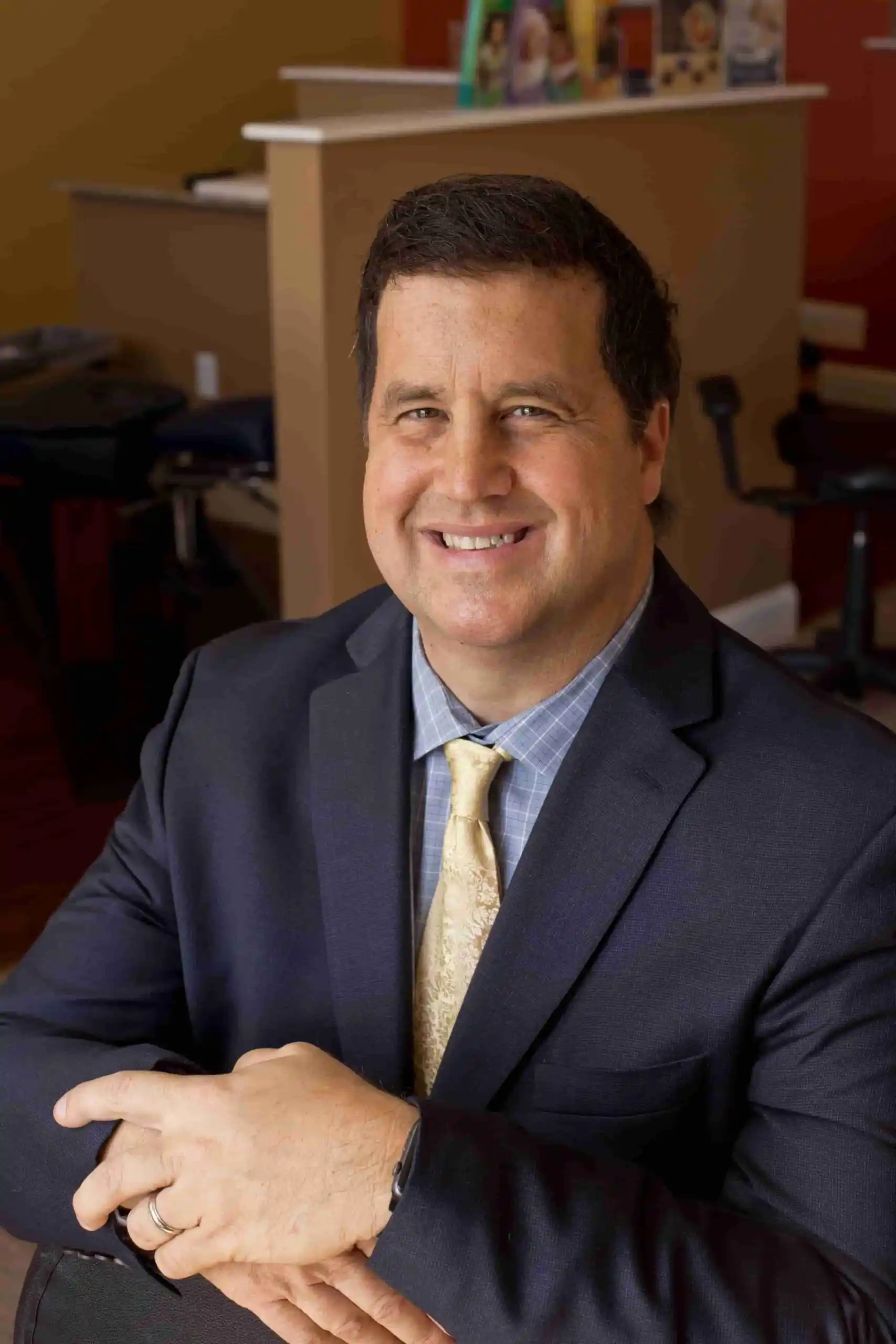
One reason some older adults hesitate is the belief that every adjustment involves forceful spinal twisting. That is not accurate, and it is especially not the case at our South Bend practice, where Dr. Kevin Kaurich uses five different adjustment techniques and chooses the approach based on what each patient’s condition and comfort level actually call for.
Activator Method
A handheld instrument delivers a precise, low-force impulse to specific spinal segments, with no twisting, no high-velocity thrust, and usually no popping. It is among the gentlest options available and is especially well-suited for seniors with osteoporosis, significant arthritis, or a preference for a lighter touch. It works well despite being gentle. You can read more in our guide to the Activator Method for seniors.
Flexion-Distraction
A specialized table creates gentle spinal decompression through a controlled, rhythmic motion. No thrusting is involved. It works through sustained movement rather than force, which makes it excellent for seniors with disc conditions, spinal stenosis, or significant degenerative changes.
Thompson Drop-Table
This low-force technique uses a table with sections that drop slightly during the adjustment, reducing the force needed to move restricted spinal segments. It is comfortable and effective for patients whose joints call for a gentler approach.
The right technique, or combination of techniques, comes from the evaluation, not from a default protocol applied to every older patient. What works best varies from person to person.
Conditions We Commonly Treat in Senior Patients
Arthritis-Related Back and Neck Pain
Osteoarthritis of the spine is nearly universal in older adults to some degree. While the arthritic changes themselves cannot be reversed, the pain and stiffness they cause often respond well to care. Keeping the joints as mobile as possible reduces the pain that builds when arthritic joints stiffen further from inactivity. Our post on how chiropractic helps arthritis pain goes deeper on this.
Spinal Stenosis
Narrowing of the spinal canal from degenerative changes compresses nerve roots, producing the heavy, aching leg symptoms, often worse with walking or standing, that mark lumbar stenosis. Flexion-Distraction care creates temporary but meaningful decompression of the affected space, often relieving symptoms for patients who are not surgical candidates or who prefer to try conservative care first.
Neuropathy
Peripheral neuropathy, the numbness, tingling, and burning pain most often felt in the feet, becomes more common with age and especially among older adults with diabetes or circulatory conditions. Our comprehensive neuropathy treatment program addresses the spinal, circulatory, and lifestyle factors behind nerve dysfunction, offering a conservative approach that complements existing medical management.
Chronic Back Pain
Long-standing back pain from degenerative changes, old injuries, or accumulated strain is one of the most common reasons older South Bend patients seek care. Many are surprised by how much improvement is possible even when the pain has been present for decades.
Neck Pain and Cervicogenic Headaches
Age-related cervical changes and a lifetime of posture habits combine to make neck pain and cervicogenic headaches very common in older adults. Chiropractic care addresses the structural source of both, reducing the joint restriction and nerve irritation that drive them.
Balance and Fall Risk
Falls are a leading cause of serious injury in older adults, and much of that risk comes from reduced proprioception, the body’s sense of joint position, that develops from years of restricted joint motion. Adjustment improves joint mobility and proprioceptive feedback, and a structured chiropractic rehabilitation plan can add specific balance and strengthening work for patients whose sensory deficits raise their fall risk.
Is Chiropractic Safe for Seniors with Osteoporosis?
This is one of the most common questions we hear from older patients and their families. The honest answer is that it depends on the severity of the osteoporosis and the techniques used. High-velocity spinal manipulation is not appropriate for patients with significant osteoporosis. But low-force techniques like the Activator Method, Flexion-Distraction, and Thompson Drop-Table are appropriate for most osteoporotic patients and can be genuinely helpful.
The evaluation identifies any contraindications before any treatment begins. If a patient’s bone density makes certain techniques inappropriate, we use approaches that are safe for their situation, or we are honest about the limits and help coordinate with their medical provider. Patient safety is never negotiated.
Does Medicare Cover Chiropractic Care?
In general, yes, at least in part. Medicare Part B covers manual manipulation of the spine when it is medically necessary to correct a spinal problem. It is worth knowing that Medicare does not cover other services a chiropractor might order, such as X-rays or exams, in the same way, so coverage is narrower than many people expect.
Because plans and circumstances vary, it is always best to check your specific coverage. Our South Bend office accepts most major insurance plans including Medicare, and our team is happy to help you understand what your visit involves before you commit to anything.
Starting Care as a Senior Patient at Our South Bend Office
New patients can complete their intake paperwork online before the first visit to keep wait time short. The initial evaluation includes a thorough health history, a physical exam appropriate to your age and conditions, and a straightforward conversation about what the findings suggest, what care options are realistic, and what outcomes are reasonable to expect.
We accept most major insurance plans including Medicare, and Saturday appointments are available for patients who cannot come during the week.
Frequently Asked Questions
Is chiropractic safe for elderly patients?
For most seniors, yes, when the techniques are matched to their health. Low-force, instrument-assisted options make care appropriate even for many patients with osteoporosis or significant arthritis. A thorough evaluation up front identifies anything that would call for a modified approach.
Does Medicare cover chiropractic care?
Medicare Part B generally covers manual spinal manipulation that is medically necessary, though it does not cover everything a chiropractor might provide. Coverage varies, so it is best to confirm the details of your own plan.
How often should a senior see a chiropractor?
It depends on the condition and goals. Some patients come more often at first to settle an active problem, then shift to occasional maintenance visits to hold their gains. The right schedule comes out of your evaluation, not a fixed formula.
Is it ever too late to start chiropractic care?
It is rarely too late. Even patients with longstanding pain and years of degenerative change often see meaningful improvement in comfort and mobility. The focus shifts toward function and quality of life rather than reversing the aging itself.
Explore Gentle Chiropractic Care in South Bend
If you or a family member in the South Bend area has been dealing with pain, stiffness, or reduced mobility and wants to explore what chiropractic care can realistically offer, we would be glad to help. Schedule a visit online or call our South Bend office at 574-282-2828.