
Did you know that nearly all of our paperwork can be completed online? This convenient option saves you time and eliminates the need to wait in the office. If you’ve already filled out your paperwork before your first appointment, congratulations—you’re one step closer to meeting with Dr. K!
Here are a few of the therapies we offer to support your recovery and well-being:
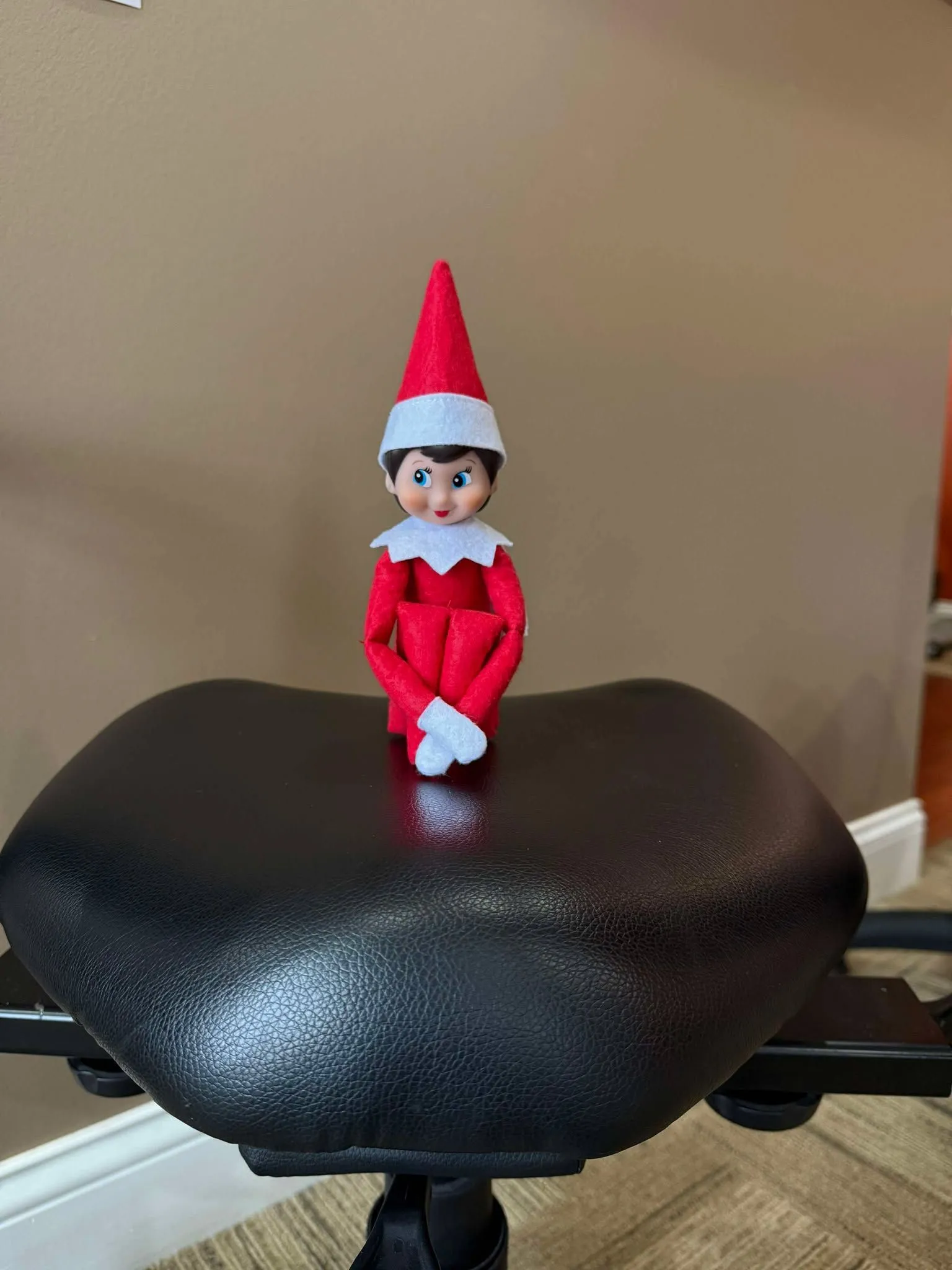
A chiropractic wobble chair is a therapeutic device used to improve spinal health and mobility, particularly for patients with lower back pain, spinal misalignments, or conditions related to spinal discs. The chair helps by gently encouraging movement in the spine and pelvis, promoting better flexibility and function.
Here’s what it’s primarily used for:
- Spinal Disc Hydration and Health: The wobble chair helps improve the flow of nutrients to the spinal discs by promoting movement that encourages better circulation. This is particularly useful for disc health, as it aids in the movement of fluids in and out of the discs, supporting their nourishment and reducing the risk of degeneration.
- Improving Spinal Alignment: The gentle rocking motion helps to realign the spine, especially in the lower back and pelvis, by promoting better posture and movement patterns. It can be particularly helpful for those with subluxations (misalignments of the spine) that affect movement and comfort.
- Relieving Lower Back Pain: The movement helps reduce tension in the lower back muscles, improving flexibility and easing discomfort from muscle tightness or spinal misalignments.
- Strengthening Core Muscles: The wobbling motion engages the core muscles, which can improve stability and support for the spine over time.
- Increasing Flexibility and Range of Motion: Regular use of the wobble chair helps improve mobility in the lower back, hips, and pelvis, which can be beneficial for overall flexibility and joint function.
In a chiropractic setting, the wobble chair is often used as part of a treatment plan to promote spinal health, assist with injury recovery, and improve posture. It’s a non-invasive tool that complements other chiropractic techniques.
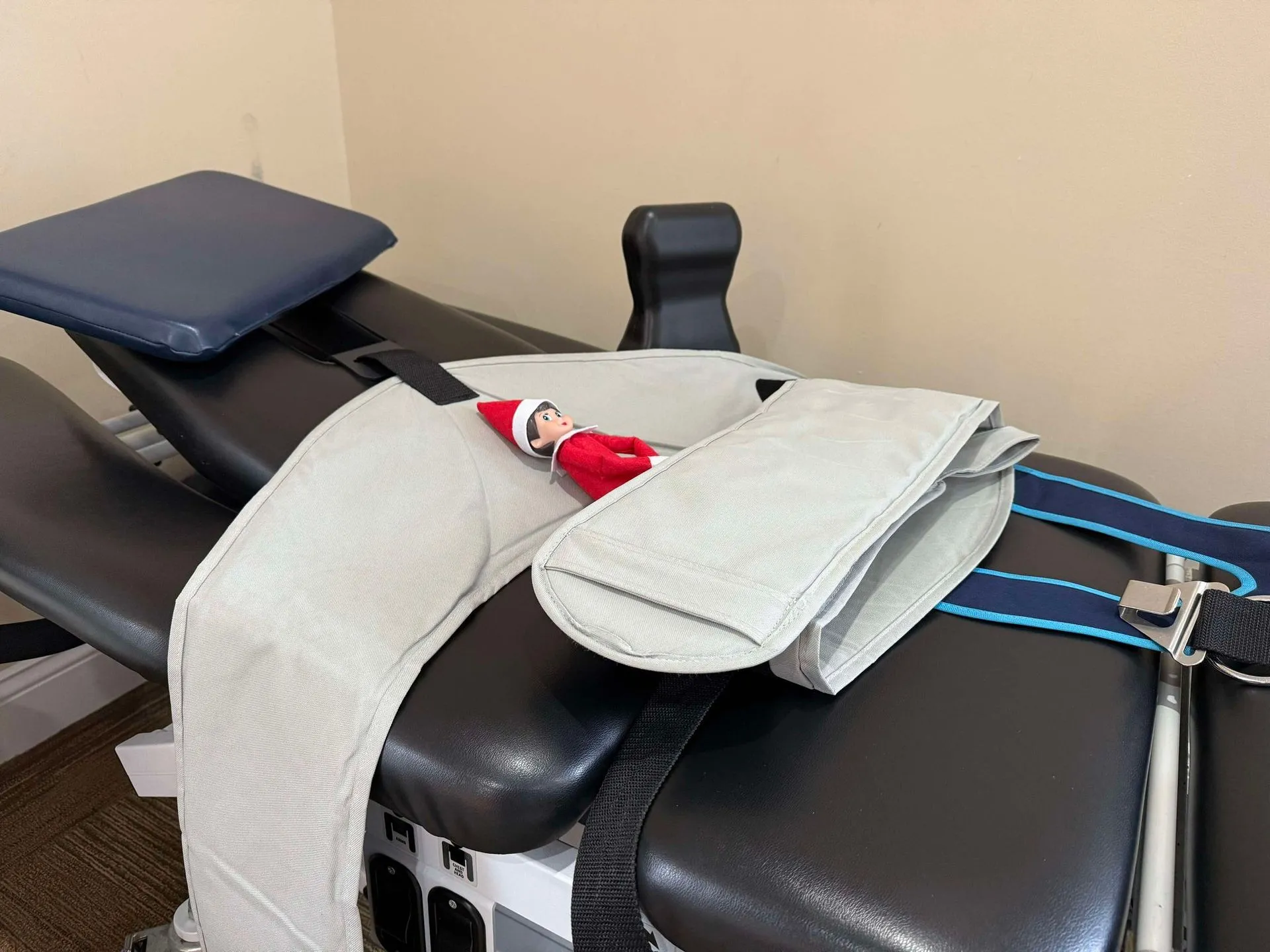

A chiropractic vibration plate is a therapeutic device that uses whole-body vibration to improve various aspects of physical health. It consists of a platform that vibrates at varying frequencies, and patients stand, sit, or perform exercises on it.
The vibrations stimulate muscle contractions, which can provide several benefits:
- Increase Muscle Strength: The vibrations cause muscles to contract rapidly, which can help improve muscle strength and endurance. This is particularly useful for patients recovering from injury or those who need to build or maintain muscle tone.
- Improve Circulation: The vibrations promote better blood flow, which helps deliver oxygen and nutrients to muscles and tissues while removing waste products. This can be especially beneficial for recovery, reducing inflammation, and improving overall wellness.
- Enhance Lymphatic Drainage: The vibration encourages lymph flow, which helps with detoxification and the removal of waste products from the body, promoting a healthier immune system.
- Improve Flexibility and Range of Motion: Regular use of a vibration plate can enhance flexibility by improving muscle and joint mobility. It can also help with stiffness and tightness, allowing for a greater range of motion in the joints.
- Relieve Pain and Tension: Vibration therapy can help reduce muscle tension and soreness, offering relief from chronic pain, stiffness, or discomfort caused by conditions like arthritis or muscle strain.
- Support Bone Health: Some research suggests that vibration therapy can stimulate bone density, potentially helping with osteoporosis and promoting bone health by mimicking the effects of weight-bearing activities.
- Enhance Balance and Coordination: Using a vibration plate engages stabilizing muscles, which can help improve balance and coordination over time, benefiting people with neurological conditions or those recovering from injury.
In a chiropractic setting, a vibration plate is typically used to complement other treatments by enhancing mobility, supporting muscle recovery, promoting spinal health, and improving overall well-being. It is a non-invasive, gentle therapy that can be tailored to individual needs.