
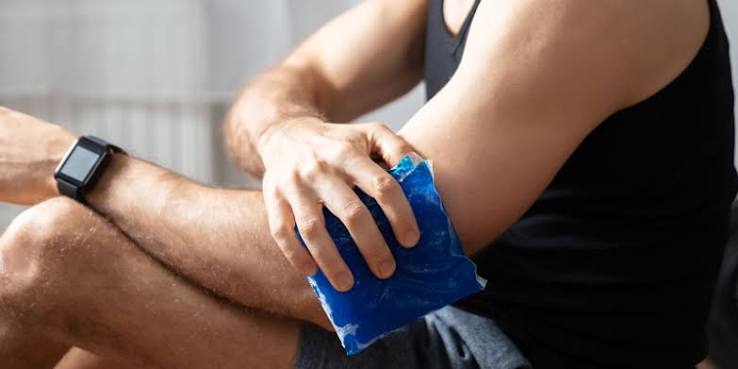
The simplest rule of thumb is this: use ice for new, acute injuries and inflammation, and use heat for stiff muscles and chronic, ongoing pain. Ice calms swelling and numbs sharp pain in the first day or two after an injury, while heat relaxes tight muscles and improves blood flow to areas that are chronically sore. Getting the two mixed up is one of the most common mistakes people make when trying to manage pain at home.
What Ice Actually Does
Ice, or cold therapy, works by constricting blood vessels and reducing blood flow to the area you apply it to. That’s exactly what you want in the immediate aftermath of an injury, because it limits the swelling and inflammation that follow when tissue gets damaged.
When you roll your ankle, tweak your lower back lifting something, or take a hard hit playing a sport, the body responds with inflammation – swelling, heat, and pain. Some of that response is helpful, but too much of it causes pain and can slow you down. Ice keeps that early inflammatory response in check. It also has a numbing effect that dulls sharp, acute pain.
Ice is your go-to when the injury is fresh – generally within the first 24 to 72 hours – and when there’s visible swelling or the area feels hot and inflamed.
What Heat Actually Does
Heat does the opposite of ice. It opens up blood vessels and increases circulation to the area. That boost in blood flow brings oxygen and nutrients to tissue, helps relax tight muscles, and eases the stiffness that comes with chronic tension and long-standing aches.
Heat is what you want for a stiff, tight lower back in the morning, for muscle tension that builds up from stress or posture, or for chronic conditions where nothing is acutely swollen but everything feels tight and achy. The warmth relaxes the muscles and makes movement more comfortable.
This is also why heat feels so good before activity or stretching – it loosens things up. Applying heat to a stiff area before you move can make the movement easier and less painful.
The Mistake People Make Most Often
The classic error is reaching for heat on a fresh injury because it feels soothing in the moment. If you’ve just strained something and it’s swelling, heat will increase blood flow to an area that’s already inflamed – and that tends to make the swelling and pain worse, not better. In those first couple of days, ice is almost always the right call even if heat feels nicer.
The reverse mistake happens too. People ice a chronically stiff muscle that isn’t inflamed, when heat would actually loosen it up and provide more relief. Cold on an already-tight muscle can make it feel even tighter.
When in doubt in the early stage, ice is the safer choice – it’s hard to make an acute injury worse with cold, whereas heat on fresh inflammation can genuinely set you back.
A Simple Framework
Here’s an easy way to remember which to reach for:
- Reach for ice when: the injury is new (last 1-3 days), there’s swelling, the area feels hot, or the pain is sharp and acute
- Reach for heat when: the pain is chronic or ongoing, muscles feel stiff or tight, there’s no swelling, or you’re warming up before movement
How to Use Each One Safely
For both ice and heat, the same basic precautions apply. Never apply either directly to bare skin – always use a barrier like a thin towel to protect against ice burns or heat burns. Limit applications to about 15 to 20 minutes at a time, and give your skin a break in between. And always check the skin during and after; if it looks unusually red, blistered, or feels numb in a concerning way, stop.
People with reduced sensation – including those with neuropathy or diabetes – need to be especially careful, because they may not feel a burn developing. If that’s you, keep sessions shorter and check the skin frequently, or check with a provider about what’s safe.
Can You Use Both?
Sometimes, yes. Alternating ice and heat – called contrast therapy – is used for certain conditions, particularly during the transition from an acute injury into recovery. The idea is that the back-and-forth between constricting and dilating blood vessels acts like a pump for circulation. If you’re going to alternate, a common approach is to end on ice for an area that still has any inflammation. That said, for most everyday situations, sticking with the one that matches your situation is simpler and works well.
When Ice and Heat Aren’t Enough
Ice and heat are useful tools for managing pain, but they’re exactly that – tools for managing symptoms. They don’t correct the underlying problem causing the pain. If you’re reaching for the ice pack or heating pad over and over for the same recurring back pain, neck tension, or joint ache, that’s a sign something structural may need to be addressed rather than just soothed.
At Kaurich Chiropractic & Wellness Center in South Bend, the focus is on finding and addressing what’s actually driving recurring pain – so you’re not stuck managing the same flare-ups indefinitely. Ice and heat can absolutely be part of your at-home routine, but if the pain keeps coming back, it’s worth finding out why.
If you’ve been managing ongoing pain with ice and heat and want to get to the root of it, reach out online or call our South Bend office at 574-282-2828.