
Whiplash is a common injury, especially associated with rear-end car accidents, but it can also occur from sports injuries, falls, or any sudden movement that jerks the head and neck. Understanding whiplash and its treatment options, particularly through chiropractic care, is essential for anyone seeking relief and recovery.
Understanding Whiplash
What Happens During Whiplash?
Whiplash occurs when the head is forcibly thrown backward and then forward, causing strain on the neck’s soft tissues. This rapid motion can stretch and tear muscles, ligaments, and tendons, leading to various symptoms.
Symptoms of Whiplash
Common symptoms include:
- Neck pain and stiffness
- Headaches, often starting at the base of the skull
- Dizziness
- Fatigue
- Numbness or tingling in the arms
- Difficulty concentrating or memory issues
These symptoms can manifest immediately after an injury or may take days to appear, making it essential to seek evaluation and care if you suspect whiplash.
The Role of Chiropractic Care in Treating Whiplash
Chiropractic care focuses on the diagnosis and treatment of neuromuscular disorders, with an emphasis on manual adjustment and the spine’s alignment. For whiplash, chiropractors use various techniques to alleviate pain, improve function, and promote healing.
Comprehensive Evaluation
A chiropractor will start with a thorough evaluation, including a physical examination and a review of your medical history. They may also use imaging tests, such as X-rays, to assess the extent of the injury.
Spinal Manipulation
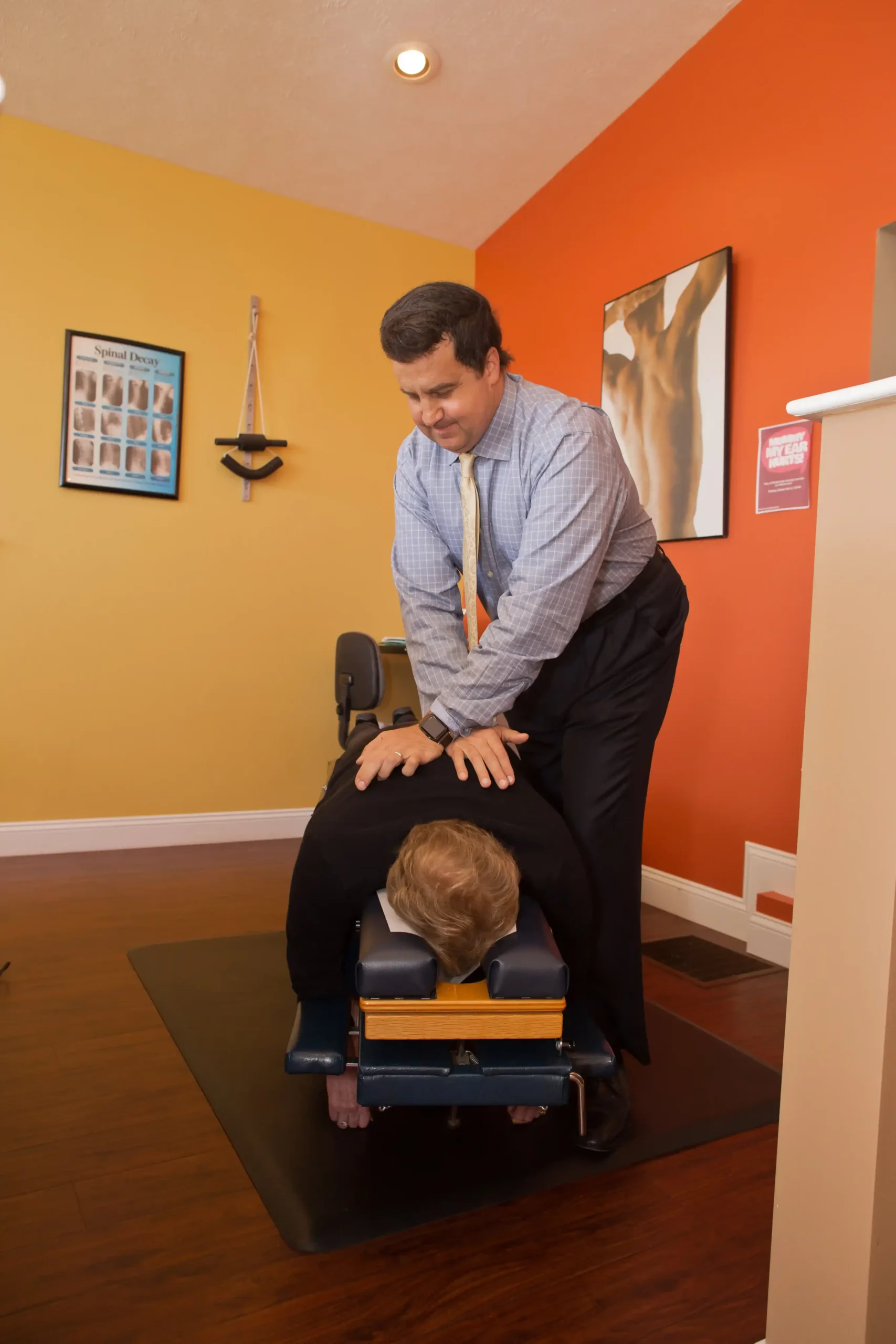
One of the primary treatments chiropractors use is spinal manipulation, or adjustments. These gentle adjustments help restore proper alignment to the spine and neck, reducing pain and improving mobility. By relieving pressure on nerves and improving blood flow, spinal manipulation can significantly decrease inflammation and enhance recovery.
Soft Tissue Therapy
Chiropractors may employ various soft tissue techniques, such as massage or myofascial release, to relax tight muscles and improve circulation. These therapies can alleviate pain and stiffness associated with whiplash.
Rehabilitative Exercises
A customized exercise plan is often an integral part of chiropractic care for whiplash. These exercises help strengthen neck muscles, improve flexibility, and support the healing process. Chiropractors will guide patients on proper techniques to prevent further injury.
Education and Lifestyle Modifications
Chiropractors provide valuable education on posture, ergonomics, and lifestyle changes to promote healing and prevent future injuries. This holistic approach empowers patients to take charge of their recovery.
Collaboration with Other Healthcare Providers
In some cases, chiropractors may work alongside other healthcare professionals, such as physical therapists or medical doctors, to ensure comprehensive care. This collaborative approach can enhance treatment outcomes.
When to Seek Chiropractic Care
If you’ve experienced a whiplash injury, it’s important to seek care promptly, even if symptoms seem mild. Early intervention can prevent long-term complications and facilitate a quicker recovery. Chiropractors can provide immediate relief and support your journey back to health.
Conclusion
Whiplash can significantly impact your daily life, but effective treatment options are available. Chiropractic care offers a non-invasive, holistic approach to managing whiplash symptoms and promoting healing. If you or someone you know is dealing with the effects of whiplash, consider consulting with a chiropractor to explore personalized treatment options and regain your quality of life.