Diabetic neuropathy is the most common form of peripheral neuropathy in the United States, affecting roughly half of all people living with diabetes. It develops when chronically elevated blood sugar damages the nerves – most often starting in the feet and working upward. The numbness, burning, tingling, and pain it causes can make everyday activities genuinely difficult, and many people are told there isn’t much they can do beyond managing their blood sugar and waiting. At Kaurich Chiropractic & Wellness Center in South Bend, we’ve found that conservative, non-invasive care can make a meaningful difference for a lot of patients who thought they were out of options.
What Diabetic Neuropathy Actually Does to Your Feet
The nerves in your feet are among the longest in your body, which is exactly why they tend to be affected first. Over time, high blood sugar interferes with the nerve’s ability to transmit signals properly and reduces blood flow to the tiny vessels that keep nerve tissue healthy. The result is a gradual deterioration that shows up as:
- Numbness or a “dead” feeling in the feet or toes
- Burning or electric-shock pain, often worse at night
- Tingling or “pins and needles” sensations
- Hypersensitivity – even light touch or the weight of a bedsheet can feel painful
- Weakness in the feet or difficulty with balance
- Reduced ability to feel temperature or pressure changes
That last one is worth emphasizing. When you lose protective sensation in your feet, small injuries – a blister, a cut, a pressure sore – can go unnoticed and develop into serious problems. Foot care and regular monitoring become essential parts of managing this condition.
If you’ve been experiencing these symptoms and wondering why neuropathy pain often spikes after dark, our post on why neuropathic pain is worse at night breaks that down in detail.
Why Blood Sugar Control Alone Isn’t Always Enough
Keeping blood sugar in a healthy range is the single most important thing a person with diabetes can do to slow the progression of neuropathy. There’s no question about that. But for many people, the damage that’s already occurred doesn’t simply reverse when blood sugar improves – and even well-controlled diabetics can continue to experience neuropathy symptoms.
This is where a broader, root-cause approach becomes valuable. Factors like chronic inflammation, poor circulation, nutritional deficiencies, and spinal nerve compression can all compound the nerve damage caused by diabetes. Addressing those contributing factors – not just the blood sugar number – is where conservative care has the most to offer.
How Chiropractic Care Fits Into Neuropathy Treatment
This is the part that surprises a lot of people. Chiropractic care for neuropathy isn’t just about the spine – though spinal health plays a bigger role than most people realize.
The nerves that serve your feet and legs originate in your lumbar spine. When the vertebrae in your lower back are misaligned or restricted, they can interfere with nerve signal transmission even before the signal reaches the periphery. In a person with diabetic neuropathy, you may already have compromised nerve function at the distal end. Adding spinal nerve compression on top of that can make symptoms significantly worse.
Restoring proper spinal motion and removing interference along the nerve pathway is one piece of a larger treatment picture. It doesn’t replace blood sugar management or diabetes care, but it works alongside those efforts. Our neuropathy treatment program at Kaurich Chiropractic combines spinal adjustments with soft-tissue work, balance training, gentle therapeutic exercises, and circulation-supporting activities – all aimed at improving nerve function and daily comfort.
The Role of Holistic Health
On the medical side of our practice, Victor Zindoga, DNP, APRN, FNP-BC works with patients to identify and address the systemic contributors to neuropathy that often get overlooked in a standard diabetes management plan. This includes:
Nutritional Deficiencies

Deficiencies in B vitamins – particularly B1, B6, and B12 – are closely linked to nerve health and are surprisingly common in people with diabetes, especially those on certain medications like metformin. Targeted supplementation can support nerve repair and reduce symptom severity for some patients.
Inflammation
Chronic systemic inflammation accelerates nerve damage. An anti-inflammatory approach to nutrition – reducing refined sugars, processed foods, and inflammatory oils while increasing omega-3s, antioxidants, and fiber – supports both blood sugar control and nerve health simultaneously. If you’re interested in the dietary side of this, our post on foods that trigger neuropathy pain is a useful starting point.
Circulation
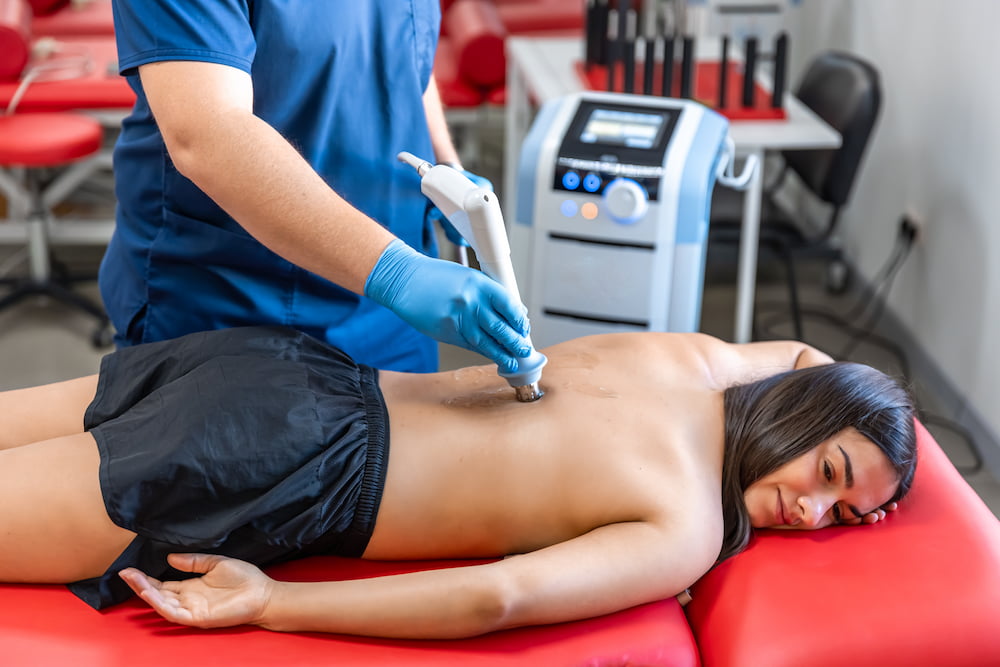
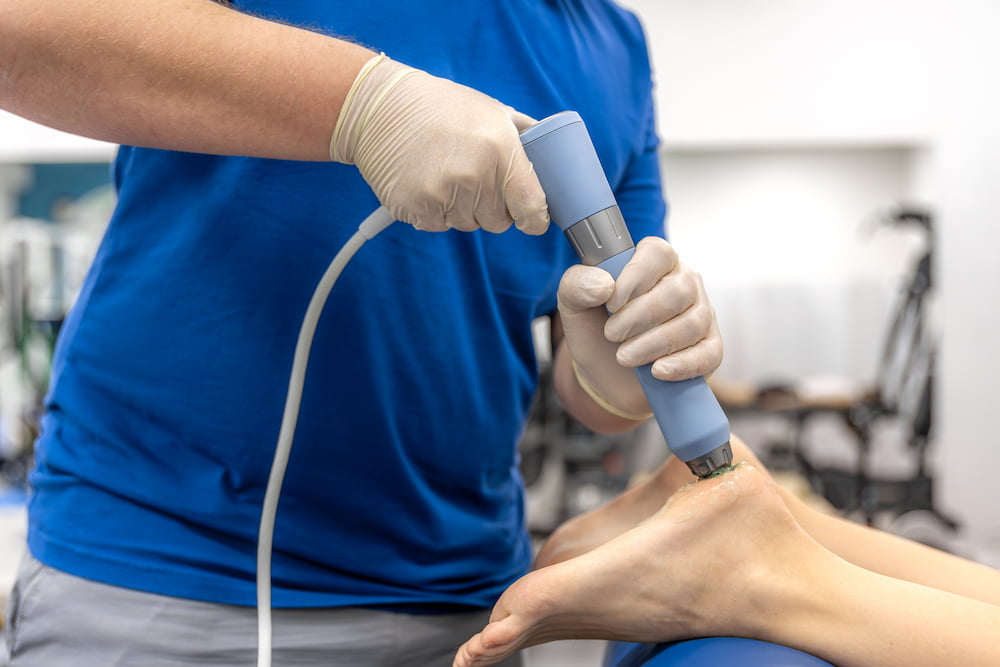
Poor circulation is a major factor in both diabetic nerve damage and slow wound healing. Shockwave therapy interventions that support cardiovascular health and microcirculation – lifestyle changes, targeted movement, and appropriate supplementation – can improve blood flow to the extremities and support nerve tissue over time.
Practical Foot Care Tips for People with Diabetic Neuropathy
Because reduced sensation makes foot injuries harder to detect, daily foot care is genuinely important. Here’s what we consistently recommend to our neuropathy patients in South Bend:
- Inspect your feet every day – look for redness, blisters, cuts, or swelling you might not feel
- Wash feet daily with warm (not hot) water – test the temperature with your elbow if sensation is reduced
- Moisturize to prevent cracking, but avoid applying lotion between the toes
- Wear well-fitting, protective footwear – avoid walking barefoot, even indoors
- Keep toenails trimmed straight across to prevent ingrown nails
- Stay moving – gentle, regular activity improves circulation and supports nerve health
These aren’t just nice-to-have habits. For someone with significant sensory loss, catching a minor foot issue before it becomes serious can prevent a major complication.
What to Expect From Neuropathy Care at Kaurich Chiropractic
Every patient we see for neuropathy gets a thorough evaluation before we recommend a treatment approach. We want to understand the full picture – how long you’ve had symptoms, what makes them better or worse, what other health conditions are involved, and what you’ve already tried.
From there, we build a plan that fits your specific situation. For diabetic neuropathy patients, that plan typically involves coordination between chiropractic care and the shockwave therapy side of our practice, since the condition has both structural and systemic contributors that benefit from being addressed together.
We’re also clear about what to expect. Neuropathy is a condition that takes time to respond to treatment, and we won’t promise outcomes we can’t deliver. What we can tell you is that many patients experience meaningful improvement in comfort, balance, and daily function with a consistent, well-designed care plan.
Our neuropathy symptom page has more detail on how we approach this condition if you want to explore further before reaching out.
If you’re living with diabetic neuropathy in South Bend or the Michiana area and looking for a conservative care approach that works alongside your existing medical treatment, we’d be glad to talk. Call us at 574-282-2828 or schedule a consultation online.