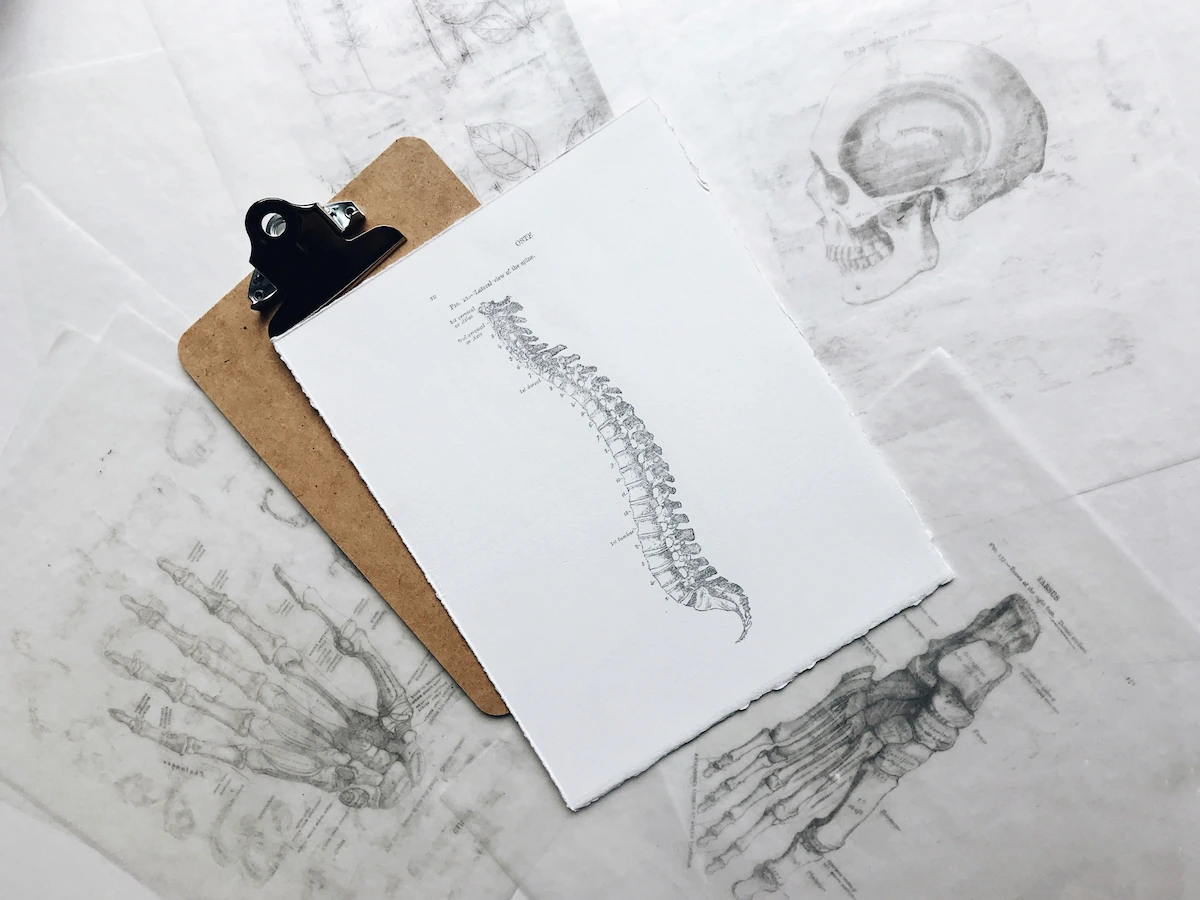

Neuropathy is a term that encompasses a range of conditions affecting the peripheral nervous system, which includes all the nerves outside the brain and spinal cord. This vast network of nerves plays a crucial role in transmitting information between your central nervous system and the rest of your body. When these nerves are damaged or dysfunctional, it can lead to a variety of symptoms and impact your overall quality of life. Let’s explore what neuropathy is, its causes, symptoms, and potential treatments.
What Is Neuropathy?
Neuropathy, also known as peripheral neuropathy, occurs when there is damage to one or more nerves in the peripheral nervous system. This damage can interfere with the normal functioning of these nerves, leading to disruptions in sensation, movement, and overall nerve function. Neuropathy can be classified into several types based on the specific nerves affected and the underlying cause.
Types of Neuropathy
Peripheral Neuropathy:
This affects the nerves in the arms, hands, legs, and feet. Symptoms often include numbness, tingling, burning sensations, and weakness in these areas.
Autonomic Neuropathy:
This type affects the nerves that control involuntary bodily functions, such as heart rate, digestion, and blood pressure. It can lead to symptoms like dizziness, bladder problems, or digestive issues.
Focal Neuropathy:
This involves damage to a single nerve or a group of nerves, often leading to sudden weakness or pain in a specific area, such as one side of the face.
Proximal Neuropathy:
This type affects the nerves in the hips, thighs, or buttocks and can cause severe pain and weakness in these regions.
Causes of Neuropathy
Neuropathy can result from a variety of conditions and factors, including:
Diabetes:
One of the most common causes, diabetic neuropathy occurs when high blood sugar levels damage the nerves over time.
Infections:
Certain infections, such as Lyme disease, shingles, and HIV/AIDS, can cause neuropathic symptoms.
Trauma or Injury:
Physical injury to nerves, such as from accidents or repetitive stress, can lead to neuropathy.
Autoimmune Diseases:
Conditions like rheumatoid arthritis and lupus can cause the body’s immune system to attack nerve tissues.
Nutritional Deficiencies:
Lack of essential nutrients, such as vitamin B12, can result in nerve damage.
Toxins:
Exposure to toxic substances, including heavy metals and certain medications, can contribute to neuropathy.
Symptoms of Neuropathy
The symptoms of neuropathy can vary widely depending on the type and severity of nerve damage. Common symptoms include:
Numbness or Tingling:
Often felt in the hands or feet, this sensation can make it difficult to feel temperature changes or detect injuries.
Pain:
Neuropathic pain can be sharp, burning, or throbbing and may worsen at night.
Weakness:
Muscle weakness or difficulty with coordination and balance can occur, affecting mobility.
Sensitivity:
Increased sensitivity to touch or temperature changes is a common symptom.
Digestive Issues:
For those with autonomic neuropathy, symptoms can include nausea, bloating, or difficulty swallowing.
Diagnosis and Treatment
Diagnosing neuropathy typically involves a combination of medical history, physical examination, and diagnostic tests such as blood tests, nerve conduction studies, and electromyography (EMG). Identifying the underlying cause is crucial for effective treatment.
Treatment for neuropathy depends on its cause and may include:
Medications:
Pain relievers, anticonvulsants, and antidepressants can help manage symptoms.
Lifestyle Changes:
Managing underlying conditions, such as diabetes, and making dietary changes can improve symptoms.
Physical Therapy:
Exercises and physical therapy can help improve strength, balance, and mobility.
Nerve Blocks or Surgery:
In some cases, procedures to block nerve pain or repair damaged nerves may be necessary.
Managing Neuropathy
Living with neuropathy can be challenging, but there are strategies to help manage symptoms and improve quality of life:
Regular Monitoring:
Keeping track of symptoms and any changes can help in adjusting treatment plans effectively.
Healthy Lifestyle:
Maintaining a balanced diet, staying active, and avoiding excessive alcohol or smoking can contribute to better nerve health.
Support Networks:
Connecting with support groups or counseling can provide emotional support and practical advice.
Conclusion
Neuropathy is a complex condition with a wide range of causes and symptoms. Understanding what it is and how it affects the body is the first step towards effective management and treatment. If you suspect you have neuropathy or are experiencing any of the symptoms mentioned, consult with a healthcare professional for an accurate diagnosis and personalized care plan. With the right approach, it is possible to manage symptoms and improve your quality of life.
Neuropathy Next Steps with Kaurich Chiropractic
Don’t let neuropathy control your life any longer. Take the first step towards relief by scheduling a consultation with Kaurich Chiropractic today. Our compassionate team is here to listen to your concerns, evaluate your condition, and develop a personalized treatment plan to help you find relief from neuropathy symptoms. Contact us now to learn more about our services and how we can help you live your best life, free from neuropathic pain. We proudly serve the South Bend, Granger IN, and surrounding Michiana area.