
In our fast-paced, modern world, stress has become a common part of life. From tight deadlines at work to juggling family responsibilities, it seems there’s no shortage of stressors. But did you know that stress doesn’t just affect your mental well-being—it can also manifest physically, particularly as neck pain?
How Stress Contributes to Neck Pain
Muscle Tension
When you’re stressed, your body goes into a “fight or flight” mode. This response is designed to protect you in dangerous situations, but in everyday stress, it can lead to chronic muscle tension. The muscles in your neck and shoulders are particularly susceptible. When these muscles remain contracted for extended periods, they can become tight, sore, and painful. This condition is often referred to as “muscle tension neck pain.”
Poor Posture
Stress can also lead to poor posture. When you’re anxious or under pressure, you might find yourself hunching over or tensing your shoulders, which can strain your neck. Additionally, long hours at a desk or in front of a computer—common in high-stress jobs—can exacerbate this issue. Poor posture disrupts the natural alignment of your spine and puts additional stress on your neck muscles, leading to discomfort and pain.
Reduced Physical Activity
High stress levels often lead to reduced physical activity. When you’re stressed, you might skip workouts or avoid activities that you usually enjoy. Lack of movement can lead to weakened muscles and reduced flexibility, both of which can contribute to neck pain. Regular exercise is crucial for maintaining muscle strength and joint flexibility, which helps prevent and alleviate neck pain.
Sleep Disturbances
Stress can significantly affect your sleep patterns, leading to poor-quality sleep or insomnia. Sleep disturbances can cause you to adopt awkward sleeping positions, which can strain your neck. Additionally, stress-induced muscle tension can make it harder to relax and fall asleep, perpetuating the cycle of pain and discomfort.
Managing Stress to Alleviate Neck Pain
Stress-Reduction Techniques
Incorporating stress-reduction techniques into your daily routine can help alleviate neck pain. Practices such as deep breathing exercises, meditation, and progressive muscle relaxation can help manage stress levels and reduce muscle tension. Even a few minutes of mindfulness each day can make a significant difference.
Regular Exercise
Engaging in regular physical activity can help reduce stress and prevent neck pain. Activities like yoga, stretching, and strength training improve muscle flexibility and strength, which can alleviate tension in the neck and shoulders. Exercise also releases endorphins, which are natural stress-relievers.
Ergonomic Adjustments
Improving your workspace ergonomics can reduce the strain on your neck. Ensure that your desk and computer setup promote good posture. Your monitor should be at eye level, and your chair should support your lower back. Taking regular breaks to stretch and move around can also help reduce neck pain.
Professional Support
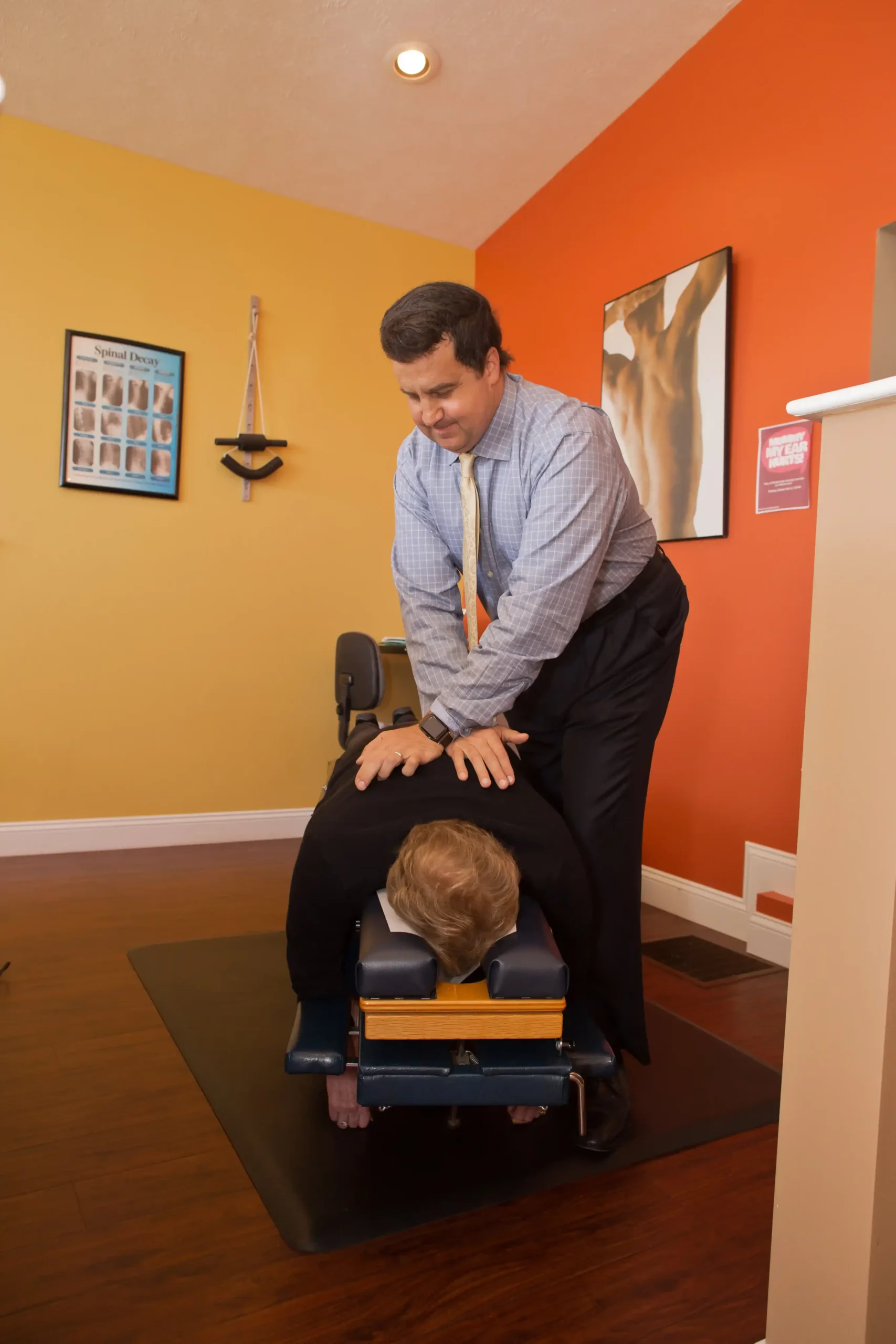
Sometimes, professional help is needed to address stress-related neck pain. Chiropractors can provide adjustments to improve spinal alignment and reduce muscle tension. They may also offer guidance on posture correction and exercises to relieve pain. Additionally, consulting with a therapist or counselor can help address the root causes of your stress and develop coping strategies.
Improved Sleep Hygiene
Addressing sleep issues can also help alleviate neck pain. Create a calming bedtime routine, ensure your sleep environment is comfortable, and practice good sleep hygiene. Consider using a supportive pillow and mattress that help maintain proper neck alignment while you sleep.
Conclusion
The connection between stress and neck pain is significant, as stress can lead to muscle tension, poor posture, reduced physical activity, and sleep disturbances—all of which can contribute to discomfort in the neck. By managing stress through various techniques and making lifestyle adjustments, you can reduce the impact of stress on your neck and improve your overall well-being.
If you’re experiencing persistent neck pain despite your efforts to manage stress, it might be time to consult with a chiropractor. We can help you develop a personalized plan to address both your neck pain and stress, helping you achieve a healthier, more comfortable life.
Stay connected with us for more tips on managing stress and maintaining neck health!