
Neck pain is a common issue that affects many people, often stemming from poor posture, stress, or everyday activities. While it’s essential to consult with a healthcare professional for persistent or severe neck pain, many individuals can manage and alleviate mild to moderate discomfort through self-care strategies. This blog offers practical tips for self-managing neck pain and enhancing your overall neck health.
Maintain Good Posture
Good posture is foundational to preventing and alleviating neck pain. Poor posture, such as slouching or hunching over a desk, can strain the neck muscles and lead to discomfort.
Tip: Sit and stand with your shoulders back and your head aligned with your spine. Your ears should be directly over your shoulders. Use ergonomic furniture, like a chair with good lumbar support, to help maintain proper alignment.
Take Frequent Breaks
Extended periods of sitting or working can contribute to neck pain, particularly if you’re stationary for long stretches.
Practice Neck Stretches
Gentle stretching can relieve tension and improve flexibility in the neck muscles.
Tip: Perform stretches such as tilting your head towards each shoulder and holding for 15-30 seconds. Another effective stretch is the chin tuck, where you gently tuck your chin towards your chest while keeping your shoulders relaxed.
Use Heat and Cold Therapy
Applying heat or cold to the neck can provide relief from pain and inflammation.
Tip: Use a cold pack to reduce inflammation or a warm compress to relax tight muscles. Apply each for 15-20 minutes at a time.
Stay Hydrated
Proper hydration is crucial for muscle health and can help prevent stiffness.
Tip: Drink plenty of water throughout the day. Proper hydration supports muscle function and reduces the risk of muscle cramps and discomfort.
Improve Your Sleep Environment
Your sleep environment plays a significant role in neck health.
Tip: Use a supportive pillow that keeps your neck aligned with your spine. Choose a mattress that offers adequate support. Avoid sleeping on your stomach, as this can strain your neck.
Strengthen Your Neck Muscles
Strengthening exercises can help stabilize the neck and prevent future pain.
Tip: Incorporate exercises like chin tucks, neck rotations, and shoulder blade squeezes into your routine. These exercises build strength and flexibility in the neck and upper back.
Avoid Prolonged Phone Use
Extended use of smartphones can lead to “text neck,” a condition characterized by neck pain from looking down for long periods.
Tip: Hold your phone at eye level to avoid straining your neck. Alternatively, use a hands-free option whenever possible.
Manage Stress
Stress can contribute to neck pain by causing muscle tension and tightness.
Tip: Engage in relaxation techniques such as deep breathing, meditation, or yoga to help manage stress and reduce muscle tension.
Stay Active
Regular physical activity helps maintain overall muscle health and flexibility, reducing the risk of neck pain.
Tip: Incorporate activities like walking, swimming, or low-impact exercises into your routine. Regular movement keeps your muscles strong and flexible.
Avoid Heavy Lifting
Improper lifting techniques can strain the neck and back muscles.
Tip: Use proper lifting techniques: bend your knees, keep your back straight, and lift with your legs rather than your back. Avoid carrying heavy loads if possible.
Use Proper Ergonomics
Setting up your workspace correctly can prevent neck strain and pain.
Tip: Ensure your computer screen is at eye level, and use a chair that supports your lower back. Adjust your workstation to promote a neutral and comfortable posture.
Mind Your Head Position
Maintaining a neutral head position can prevent strain and discomfort.
Tip: When watching TV or using a computer, keep your head and neck aligned. Avoid leaning forward or craning your neck.
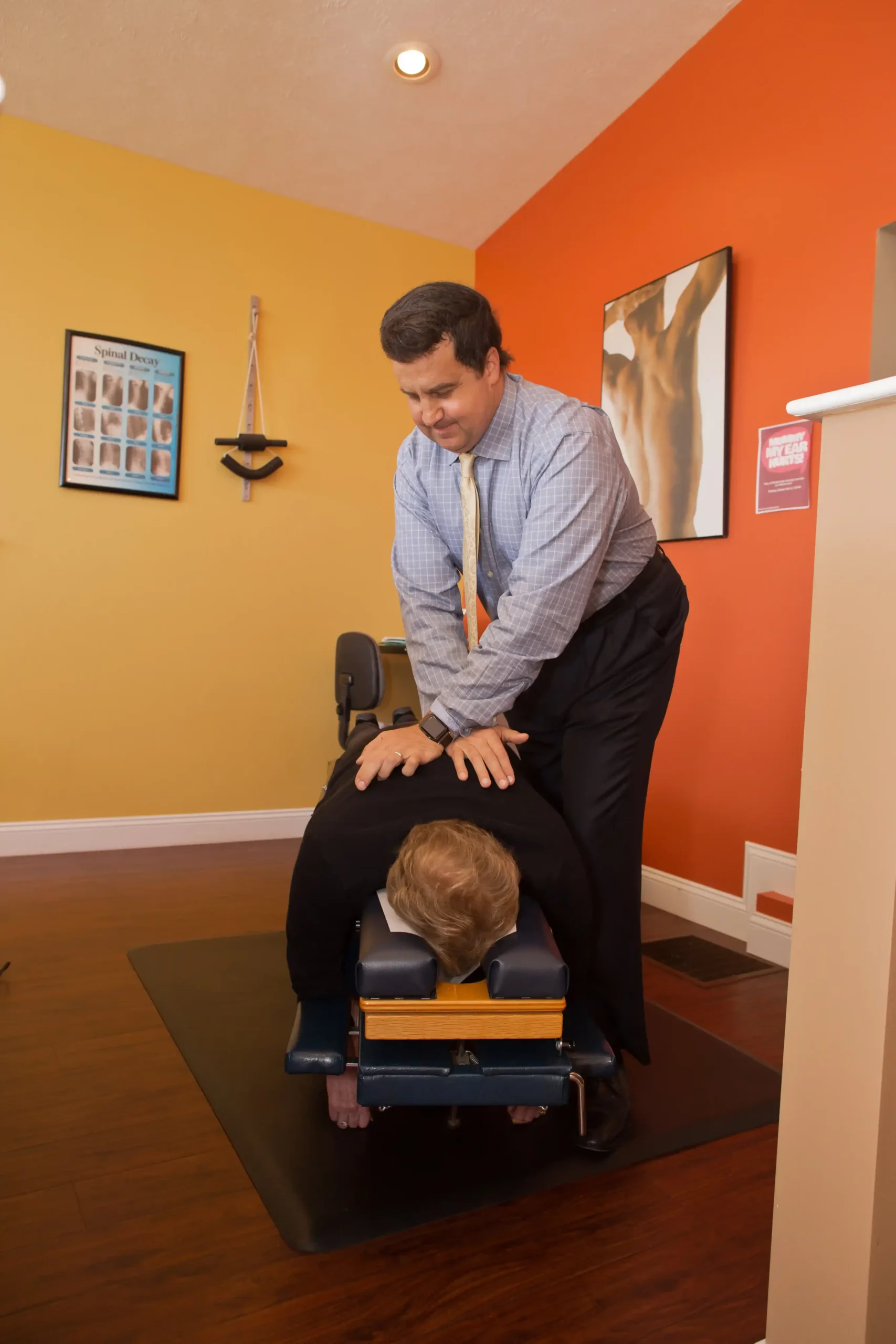
Consult a Chiropractor
Regular chiropractic adjustments can help with alignment and overall spinal health, which may alleviate neck pain.
Tip: Consider consulting a chiropractor if neck pain persists or if you’re looking for professional guidance on maintaining neck health.
Avoid Sleeping on Your Stomach
Sleeping on your stomach can place undue stress on your neck.
Tip: Sleep on your back or side to keep your neck in a neutral position. This can help reduce strain and promote better spinal alignment.
By incorporating these self-care tips into your daily routine, you can effectively manage and alleviate neck pain. Remember that while these strategies can be helpful, it’s always a good idea to consult with a healthcare professional for personalized advice and treatment. Share this blog with your network to help others find relief from neck pain and improve their overall well-being!