
Accidents happen. Whether you slip on an icy sidewalk, trip over an uneven surface, or take a tumble while participating in physical activity, falls are a common cause of injury. While some may walk away with only minor bruises or scrapes, others may face more significant damage, such as sprains, strains, or even fractures. Regardless of the severity, a fall can disrupt your mobility and quality of life.
The good news is that chiropractic care and physical therapy can play a vital role in helping you recover from a fall injury, alleviate pain, and restore function. Here’s how these two complementary approaches can make a difference in your recovery.
Chiropractic Care: Restoring Alignment and Function
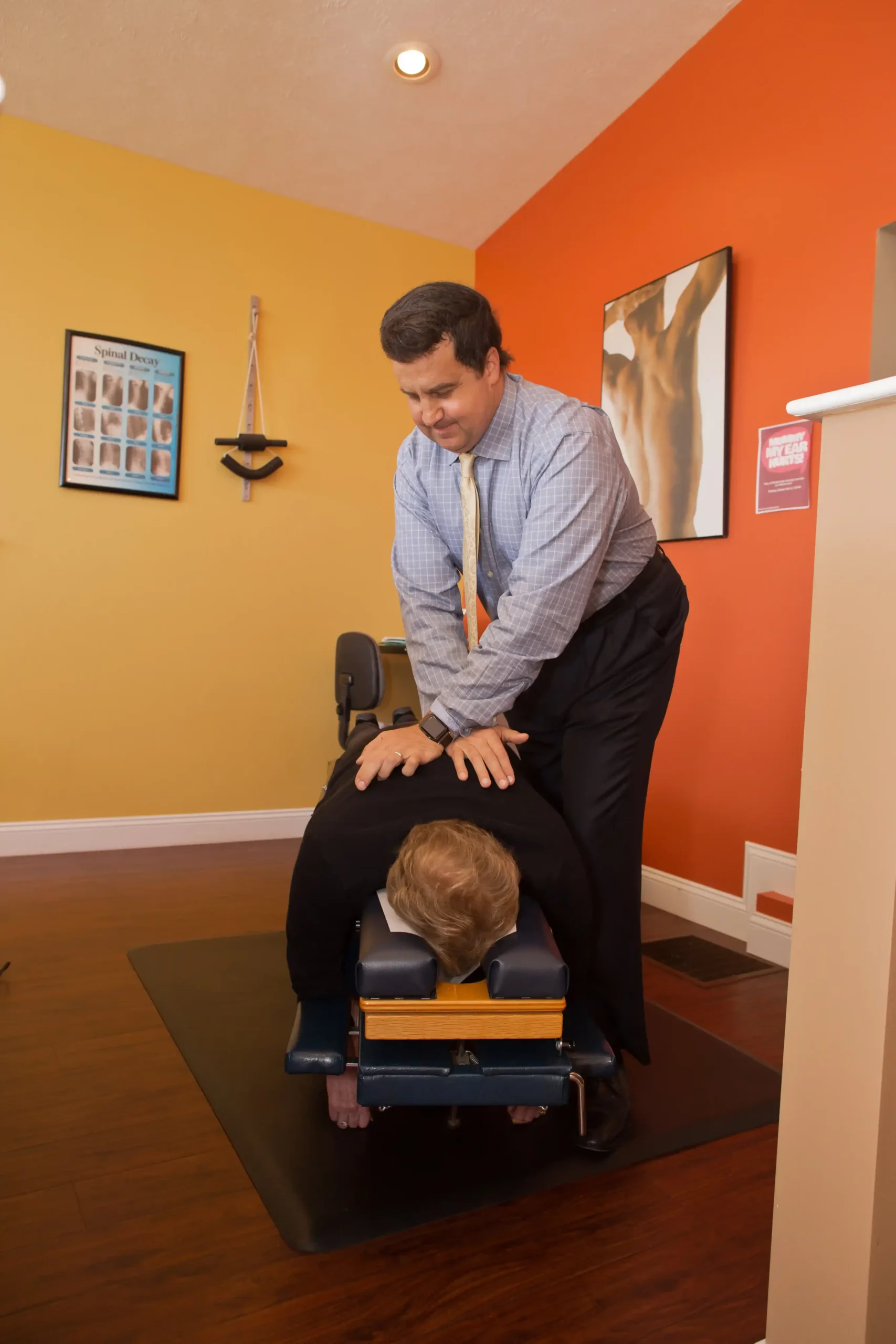
When you fall, the impact can misalign your spine, joints, and muscles. Even a seemingly minor fall can disrupt the delicate balance of your musculoskeletal system, leading to discomfort and limited mobility. Chiropractors specialize in spinal adjustments and other manual techniques designed to realign the body, reduce pain, and restore optimal function.
Here’s how chiropractic care can help after a fall:
Spinal Alignment: A fall can shift your spine out of alignment, placing stress on the nervous system and leading to pain or restricted movement. Chiropractors use spinal adjustments to correct misalignments, helping to restore normal range of motion and alleviate pain. By ensuring the spine is aligned, chiropractic adjustments can improve nerve function and allow the body to heal more effectively.
Pain Relief: Whether you’ve sprained an ankle, twisted your knee, or experienced a whiplash injury from a fall, chiropractic care can provide significant pain relief. Chiropractors use hands-on techniques, such as soft tissue mobilization, joint manipulation, and stretching, to release tension, reduce inflammation, and promote healing.
Improved Mobility: After a fall, you may experience stiffness, soreness, or reduced range of motion. Chiropractic adjustments and manual therapies can help restore your body’s flexibility and mobility, enabling you to move more freely and return to your daily activities with less discomfort.
Addressing Underlying Issues: Sometimes, falls occur due to pre-existing conditions, like poor posture, muscle imbalances, or joint instability. Chiropractors are skilled at identifying and addressing these underlying issues, reducing the risk of future falls and improving overall physical health.
Physical Therapy: Strengthening and Rehabilitating the Body
Physical therapy is another essential part of the recovery process after a fall. While chiropractic care focuses on spinal alignment and restoring balance to the nervous system, physical therapy concentrates on strengthening the muscles, improving flexibility, and rehabilitating any injured body parts.
Here’s how physical therapy complements chiropractic care for fall injuries:
Muscle Strengthening: Falls can lead to muscle strains, ligament sprains, or weakened muscles due to immobility during the healing process. Physical therapists design customized exercise programs to strengthen weakened muscles and improve endurance. Stronger muscles provide better support for your joints, reducing the risk of further injury and promoting better balance.
Balance and Coordination Training: Falls often happen because of a loss of balance or coordination. Physical therapists work with patients to improve these aspects through targeted exercises and balance training. With techniques like stability ball exercises, balance boards, and gait training, physical therapy helps retrain the body’s ability to stabilize and prevent future falls.
Range of Motion Exercises: After a fall, scar tissue and inflammation can limit movement and flexibility. Physical therapists use a variety of techniques, such as stretching, joint mobilizations, and manual therapy, to help increase range of motion in injured areas. This helps patients regain full movement and reduces the chances of stiffness and chronic pain.
Pain Management: Much like chiropractic care, physical therapy provides pain relief through various modalities, including heat, cold therapy, electrical stimulation, and massage. These treatments help reduce inflammation, alleviate pain, and encourage healing in injured tissues.
Why Chiropractic and Physical Therapy Work Well Together
While chiropractic care and physical therapy are distinct practices, they complement each other beautifully in the recovery process. Chiropractic care is highly effective at addressing spinal misalignments, joint dysfunctions, and nerve interference, while physical therapy excels in strengthening muscles, improving coordination, and rehabilitating injuries.
When used together, these two approaches can provide a comprehensive treatment plan that promotes faster recovery, reduces pain, and helps you regain your full functionality after a fall. A chiropractor can address alignment issues and relieve pressure on the nervous system, while a physical therapist can help you regain strength, flexibility, and balance.
Conclusion
If you’ve recently experienced a fall, don’t let the pain or discomfort linger. Both chiropractic care and physical therapy can play a crucial role in your recovery by reducing pain, improving mobility, and restoring your body’s strength and function. By combining these therapies, you can ensure a more holistic and faster recovery, ultimately getting you back on your feet and living life to the fullest.
Remember, it’s always important to consult with a healthcare provider before starting any treatment regimen. If you’re dealing with a fall injury, reach out to us to create a personalized recovery plan tailored to your needs.
Get back to your best self—schedule a consultation with us today!