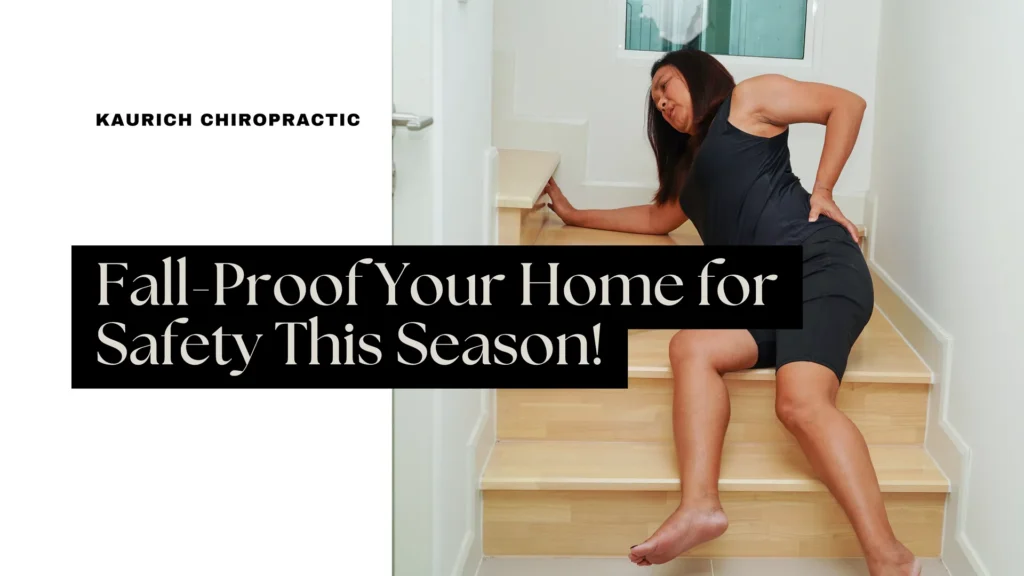
The best ways to fall-proof your home are to clear walkways of clutter and cords, add bright lighting to stairs and hallways, secure or remove loose rugs, install grab bars and handrails, and keep floors and outdoor steps dry and free of leaves and ice. Just as important are the personal steps: wearing supportive shoes with good grip, keeping up strength and balance exercises, and having your vision and medications reviewed regularly. Here’s a room-by-room checklist to help keep you and your loved ones safe this season.
Why Fall Safety Matters
About one in four adults age 65 and older falls each year, according to the CDC, and falls are a leading cause of injury in older adults. But falls can happen at any age, especially as days get shorter and wet leaves, rain, and ice make surfaces slippery. The good news is that many falls are preventable with a few simple changes.
Indoor Fall Safety: Room by Room
Entryways and Hallways
- Keep walkways free of shoes, bags, cords, and clutter.
- Place sturdy doormats at every entrance to catch water and mud.
- Add bright lighting and keep a light switch within reach of each doorway.
Stairs
- Install sturdy handrails on both sides of the staircase if possible.
- Make sure stairs are well lit, with switches at both the top and bottom.
- Keep steps clear of objects, and fix loose or uneven treads.
- Consider contrasting tape on the edge of each step to make them easier to see.
Bathroom
- Add grab bars by the toilet and in the tub or shower.
- Use non-slip mats or adhesive strips in the tub and on the bathroom floor.
- Consider a shower chair or raised toilet seat if getting up and down is difficult.
- Wipe up water right away.
Bedroom
- Keep a lamp or light switch within reach of the bed.
- Use night lights to light the path to the bathroom.
- Sit on the edge of the bed for a moment before standing, especially at night.
Kitchen
- Store everyday items on lower shelves so you don’t need to climb or overreach.
- If you must reach high shelves, use a sturdy step stool with a handrail, never a chair.
- Clean up spills immediately.
Rugs and Mats
Loose rugs are one of the most common trip hazards. Remove throw rugs if you can, or secure them with non-slip pads or double-sided tape so the edges don’t curl.
Outdoor Fall Safety This Season
- Clear leaves: wet leaves on steps and walkways are slippery, so rake and sweep them regularly.
- Light the way: motion-sensor lights on porches, steps, and driveways help as daylight shrinks.
- Add handrails: install sturdy rails on outdoor steps, including steps to patios and garages.
- Prepare for ice: keep salt or sand by the door, and treat steps and walkways before freezing temperatures arrive in Michiana.
- Be careful with ladders: set ladders on firm, level ground and have someone nearby when cleaning gutters.
Holiday Decorations and Visiting Guests
The season brings extra cords, decorations, and visitors who don’t know your home. Keep extension cords for lights out of walkways or taped down, avoid standing on chairs to hang decorations, and add night lights in guest rooms and hallways so older relatives can find their way at night.
Personal Steps That Lower Your Risk
Stay Strong and Keep Your Balance
Exercise that builds strength and balance is one of the most effective ways to prevent falls. Walking, simple leg-strengthening exercises, and balance practice, like standing on one foot while holding a counter, all help. Our chiropractic rehabilitation program can build a safe strength and balance routine for you.
Wear Supportive Shoes
Choose shoes with non-slip soles and a secure fit, both indoors and out. Avoid walking in socks, loose slippers, or flip-flops, especially on stairs and smooth floors.
Get Your Vision Checked
Changes in vision make it harder to spot hazards. Have your eyes checked regularly and keep your glasses prescription up to date.
Review Your Medications
Some medications, especially those that cause drowsiness, dizziness, or a drop in blood pressure, can raise the risk of falling. Ask your doctor or pharmacist to review everything you take.
Stand Up Slowly
Getting up too quickly can cause lightheadedness. Pause for a moment when moving from lying to sitting and from sitting to standing.
How Chiropractic Care Fits In
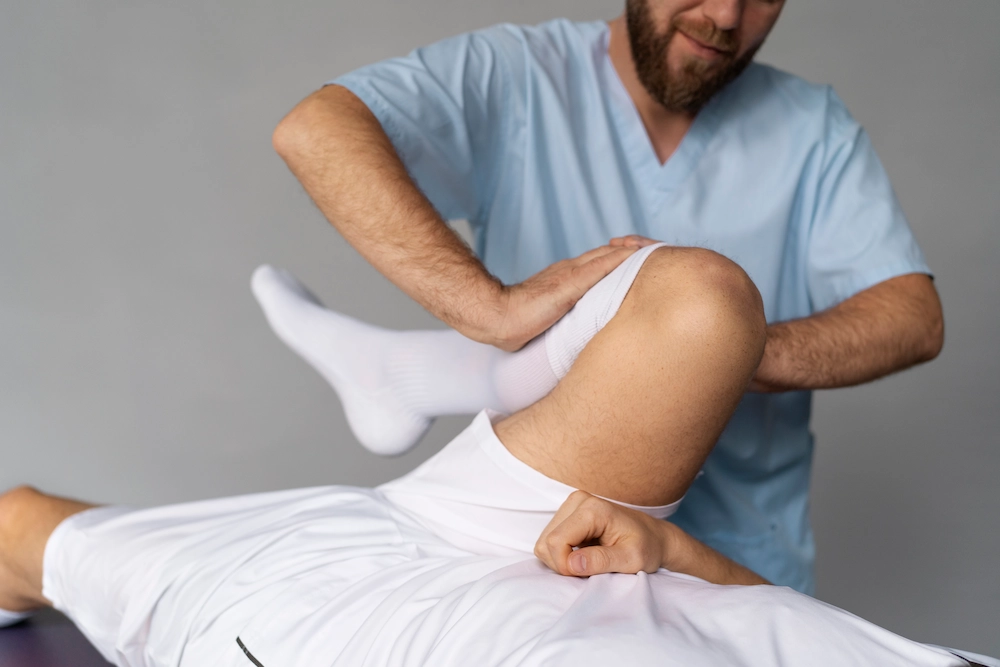
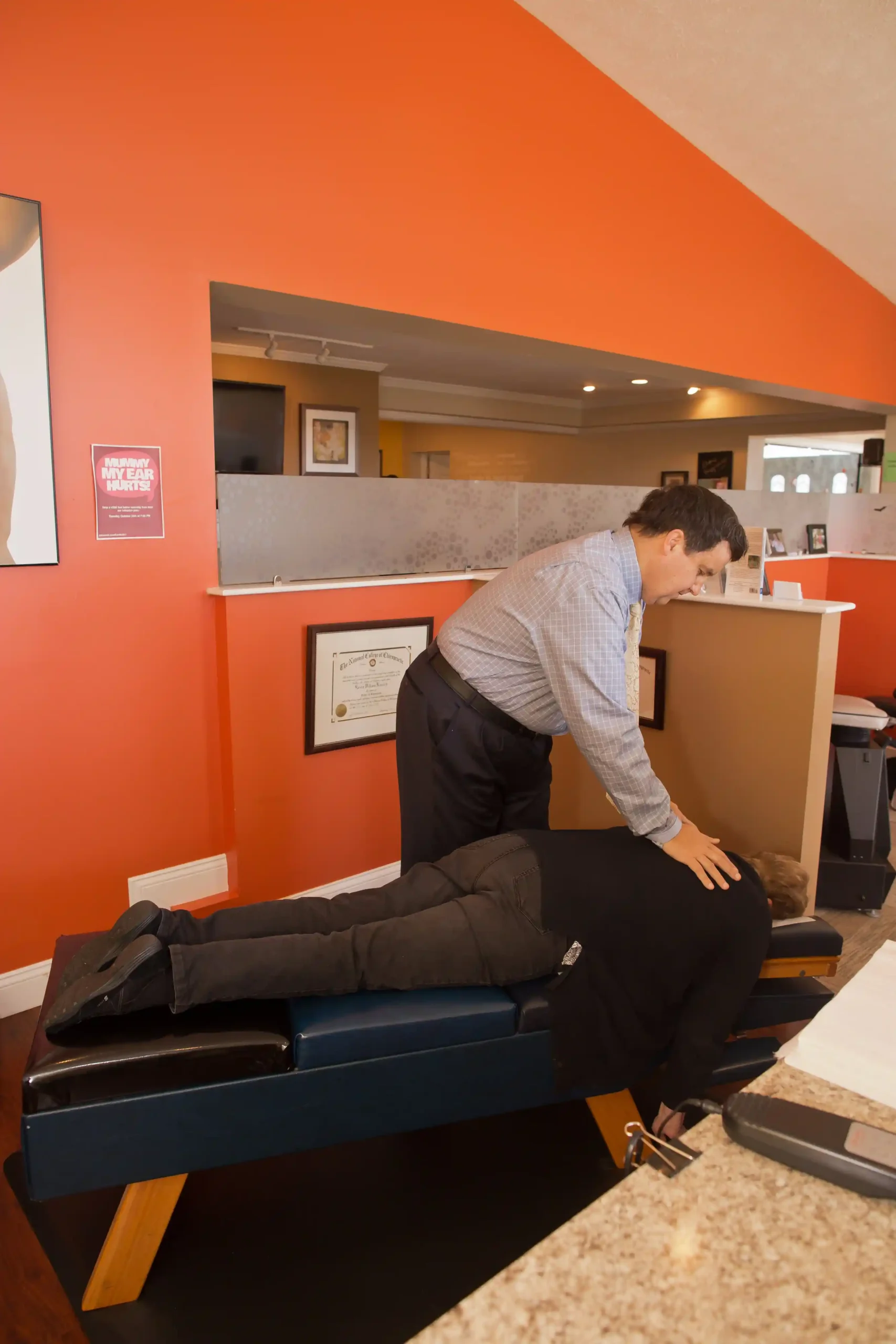
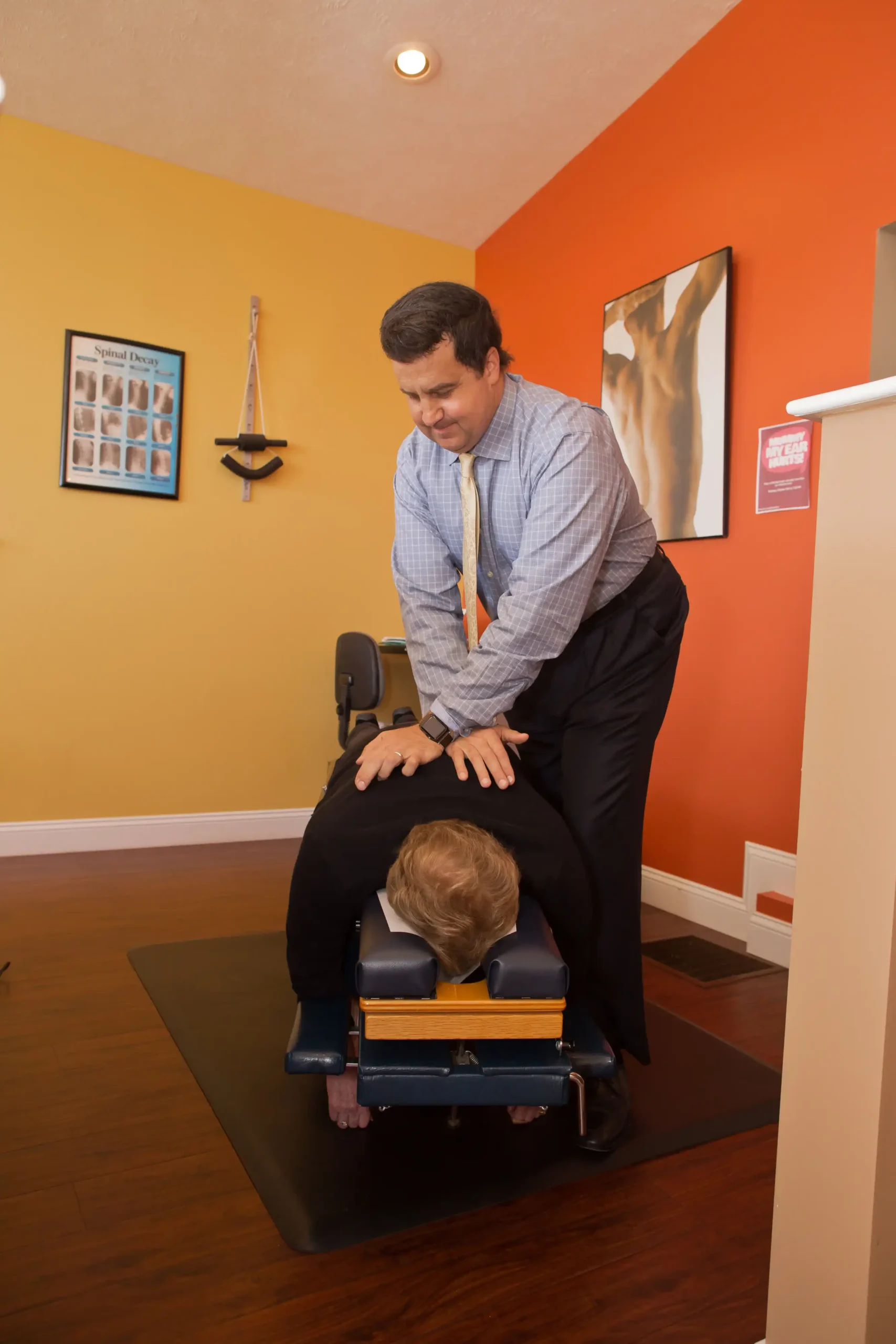
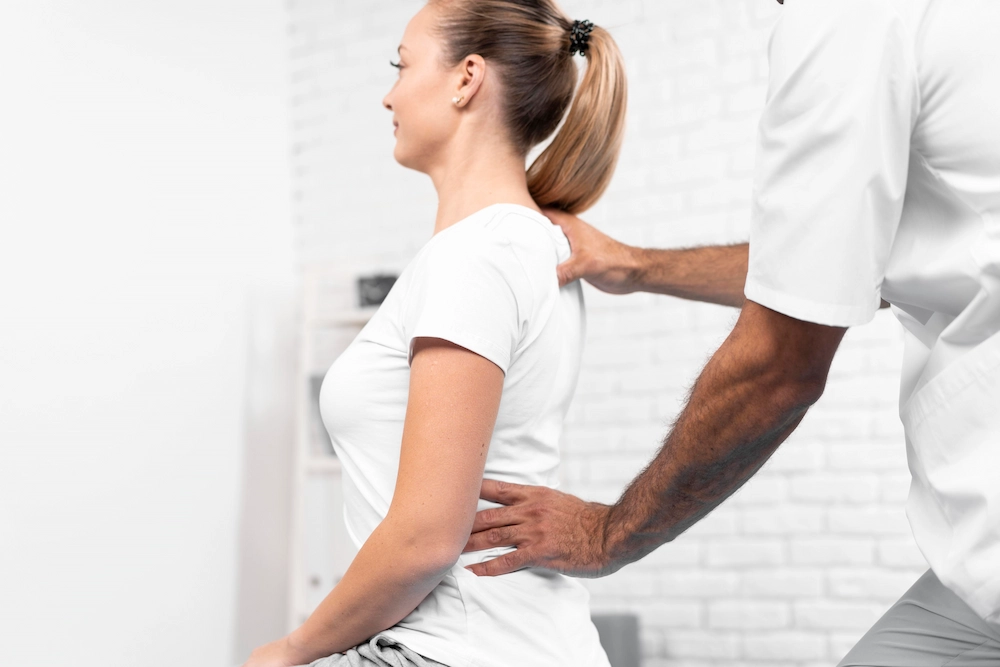
Stiff joints, back pain, and reduced mobility can make it harder to move confidently and react when you start to lose your balance. Chiropractic care can help ease stiffness and pain and improve mobility, and when combined with strength and balance exercises, it can be one part of a fall-prevention plan. Learn more in our post on chiropractic care for seniors.
If a Fall Does Happen
Stay calm and check yourself for injuries before trying to get up. If you can, roll onto your side, get onto your hands and knees, and crawl to a sturdy chair to help yourself up. Call 911 or get emergency care if you hit your head, especially if you take blood thinners, can’t get up, can’t put weight on a leg, or have hip or groin pain. Our post on recovering from fall injuries covers what to do next.
Frequently Asked Questions
What are the most common indoor fall hazards?
Loose rugs, clutter on the floor, poor lighting, wet bathroom floors, and stairs without handrails are among the most common.
Can exercise really help prevent falls?
Yes. Strength and balance exercise is one of the best-supported ways to lower fall risk, especially for older adults.
Should I see a doctor if I’ve fallen but feel fine?
If you hit your head, take blood thinners, or have pain that doesn’t settle, yes. It’s also worth mentioning any fall to your doctor, since falls can be a sign of balance, vision, or medication issues worth addressing.
What’s the most important bathroom safety change?
Grab bars near the toilet and in the shower, plus non-slip mats, address the most common bathroom fall risks.
Stay Safe and Steady This Season
A few small changes around your home can make a big difference. For more seasonal tips, see our fall self-care tips. If stiffness, pain, or balance concerns are making you feel unsteady, call 574-282-2828 or reach out through our contact page to schedule a visit with Dr. Kevin Kaurich in South Bend.