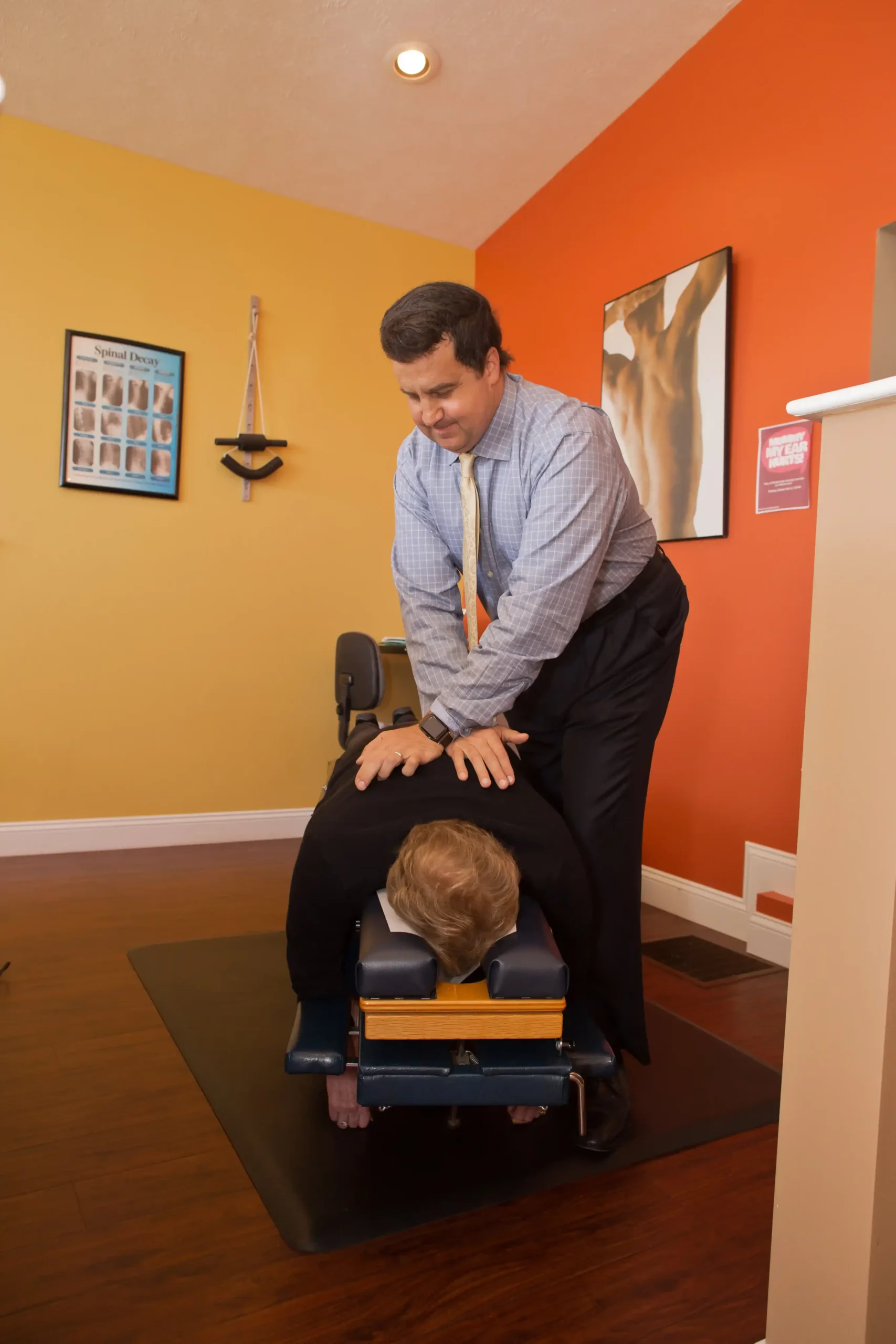

The link between migraines and chiropractic care is well-documented and involves several factors that can contribute to headache relief and management. Here’s an overview of how chiropractic care can benefit individuals suffering from migraines:
Spinal Alignment
Chiropractors focus on spinal alignment and the overall health of the nervous system. Misalignments (subluxations) in the spine can lead to tension and stress in the surrounding muscles, which may trigger migraines. By adjusting the spine, chiropractors can help restore proper alignment, potentially reducing the frequency and intensity of migraine attacks.
Muscle Tension Relief
Chiropractic adjustments can alleviate muscle tension in the neck and upper back, areas often associated with migraine pain. By relaxing these muscles, chiropractors can help reduce the likelihood of tension headaches and migraines.
Improved Blood Flow
Proper spinal alignment can enhance blood flow and nerve function. Improved circulation to the brain can help alleviate migraine symptoms, as migraines can be associated with reduced blood flow and oxygen supply.
Nervous System Function
Chiropractic care focuses on optimizing nervous system function. Since migraines may be linked to nervous system dysfunction or hypersensitivity, chiropractic adjustments can help regulate nerve signaling and reduce the severity of migraine episodes.
Holistic Approach
Chiropractors often take a holistic approach to health, considering lifestyle factors that may contribute to migraines, such as diet, stress, and sleep patterns. They can provide guidance on lifestyle changes, ergonomic adjustments, and stress management techniques that may help prevent migraines.
Patient Education
Chiropractors educate patients about their condition, empowering them to identify triggers and manage their symptoms. This education can include advice on posture, hydration, nutrition, and stress management, all of which can play a role in migraine prevention.
Complementary Therapies
Chiropractic care can be combined with other therapies, such as massage or physical therapy, to provide comprehensive care. These additional therapies can further reduce tension and improve overall well-being, contributing to migraine relief.
Conclusion
Many patients with migraines find significant relief through chiropractic care, often experiencing fewer attacks and reduced severity when they do occur. If you suffer from migraines, consulting with a chiropractor may provide a complementary approach to managing your symptoms