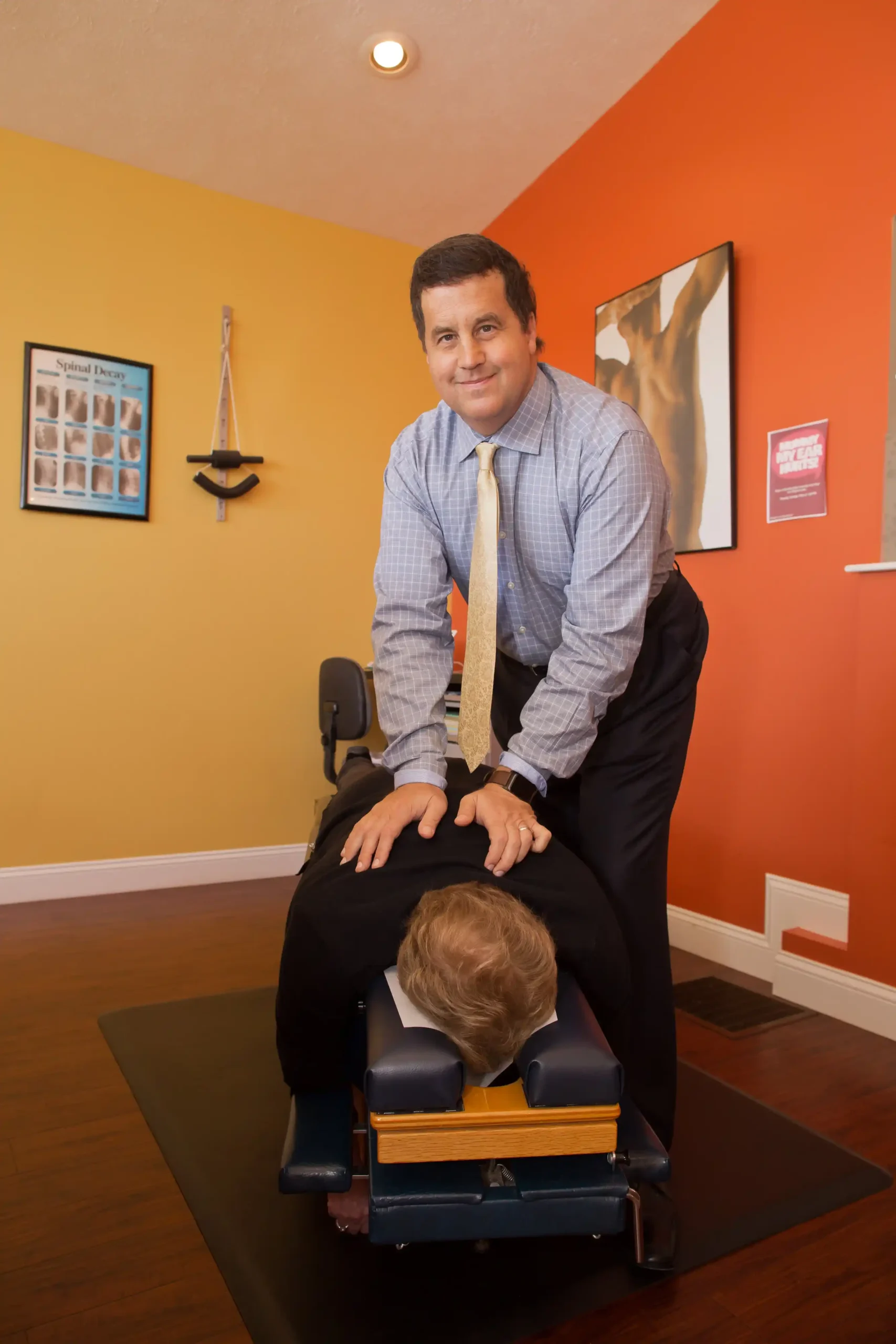

Back pain is a widespread issue with a variety of potential causes and symptoms. Here’s a breakdown of some common causes and symptoms:
Common Causes of Back Pain in South Bend
-
Muscle or Ligament Strain
Often due to lifting heavy objects, sudden movements, or poor posture, this strain can lead to muscle or ligament injuries in the back.
-
Bulging or Herniated Discs
Discs act as cushions between the vertebrae. When a disc bulges or herniates, it can press on nearby nerves, causing pain.
-
Degenerative Disc Disease
As we age, the discs in our spine can lose hydration and elasticity, which may lead to pain and discomfort.
-
Spinal Stenosis
This condition involves the narrowing of the spinal canal, which can put pressure on the spinal cord and nerves, leading to pain.
-
Scoliosis
An abnormal curvature of the spine can cause uneven pressure and pain in various parts of the back.
-
Osteoarthritis
The wear-and-tear of the cartilage in the spine can lead to pain and stiffness, commonly affecting the lower back.
-
Rheumatoid Arthritis
This autoimmune condition can lead to inflammation in the spine’s joints, causing pain and deformity.
-
Sciatica
Sciatica occurs when the sciatic nerve is compressed or irritated, often by a herniated disc, leading to pain that radiates from the lower back down the leg.
-
Poor Posture
Prolonged periods of poor posture, such as sitting at a desk or hunching over a computer, can lead to back pain over time.
-
Infections or Tumors
Though less common, infections or tumors in the spine can cause back pain and other symptoms.
Common Symptoms of Back Pain
-
Dull or Aching Pain
Often felt in the lower back or along the spine, this type of pain can be persistent or come and go.
-
Sharp or Stabbing Pain
Sudden, intense pain that might be associated with a specific movement or activity, often indicating a more acute issue.
-
Radiating Pain
Pain that extends from the back down to the legs or buttocks, commonly associated with sciatica or a herniated disc.
-
Stiffness
Difficulty moving or bending the back, especially after periods of inactivity, can be a sign of muscle strain or degenerative conditions.
-
Numbness or Tingling
Sensations of numbness or tingling in the legs or feet, which can indicate nerve compression or irritation.
-
Muscle Spasms
Involuntary contractions of the back muscles that can be painful and limit movement.
-
Difficulty Standing or Walking
Pain or discomfort that worsens with standing or walking, potentially due to spinal stenosis or other conditions.
-
Limited Range of Motion
Trouble bending, twisting, or reaching, often resulting from muscle strain or joint issues.
-
Pain that Worsens with Specific Activities
Certain movements or activities, such as lifting, bending, or sitting for long periods, can exacerbate back pain.
-
Systemic Symptoms
In some cases, back pain may be accompanied by symptoms like fever, weight loss, or night pain, which could indicate a more serious condition such as an infection or tumor.
If you’re experiencing back pain, particularly if it’s severe, persistent, or accompanied by other symptoms, it’s important to consult a healthcare professional for a proper diagnosis and treatment plan.