
Rotator cuff pain treatment in South Bend doesn’t have to end with a surgical recommendation. For the majority of rotator cuff conditions – including partial tears, tendinopathy, and impingement syndrome – conservative care through chiropractic, chiropractic rehabilitation, and HealthWave RX shockwave therapy can meaningfully reduce pain, restore function, and help patients avoid surgery or at least delay it long enough to determine whether it’s truly necessary.
What Is the Rotator Cuff and Why Does It Get Injured?
The rotator cuff is a group of four muscles and their tendons that surround the shoulder joint, connecting the upper arm bone to the shoulder blade. Together they stabilize the shoulder, control rotation, and allow the arm to lift and move in the wide range of directions the shoulder joint is capable of.
Because of that range of motion and the demands placed on the shoulder in everyday activity, the rotator cuff is one of the most commonly injured structures in the body. The tendons run through a narrow space beneath the bony arch at the top of the shoulder, and anything that reduces that space – posture, muscle imbalances, bone spurs, or repetitive overhead activity – increases the friction and compression on the tendons over time.
Rotator cuff injuries fall into two broad categories. Acute injuries happen suddenly – a fall on an outstretched arm, catching a heavy object, or a sudden overhead movement. Chronic injuries develop gradually from repetitive use and accumulated wear, which is why they’re so common in athletes, construction workers, painters, warehouse workers, and anyone who uses their arms repeatedly in work or sport.
Common Rotator Cuff Conditions We Treat
Rotator Cuff Tendinopathy
The most common rotator cuff condition, tendinopathy describes degeneration and disorganization of tendon tissue from chronic overuse. Like other tendon conditions, it often doesn’t involve significant active inflammation in chronic cases – which is why anti-inflammatory treatments provide only temporary relief. The tendon needs stimulation of the repair process, not just symptom suppression.
Shoulder Impingement Syndrome
When the tendons of the rotator cuff are repeatedly compressed between the humeral head and the acromion – the bony shelf at the top of the shoulder – it causes a painful, arc-like pattern of pain when lifting the arm. Impingement often connects to postural dysfunction and muscle imbalances that reduce the subacromial space, making it a condition where addressing the biomechanical contributors is as important as treating the local tissue.
Partial Rotator Cuff Tears
Partial tears – where some but not all of the tendon fibers are disrupted – are frequently managed conservatively with good outcomes. Full-thickness tears are a different situation and may ultimately require surgical evaluation, particularly if they’re large or involve significant strength loss. A proper evaluation helps identify where on that spectrum a given injury falls.
Calcific Tendinitis
Calcium deposits that form within the rotator cuff tendons can cause intense, episodic shoulder pain. Shockwave therapy has a particularly strong track record for calcific tendinitis – the acoustic waves help break down and reabsorb the calcium deposits in ways that other conservative treatments typically cannot achieve.
How HealthWave RX Shockwave Therapy Helps the Rotator Cuff
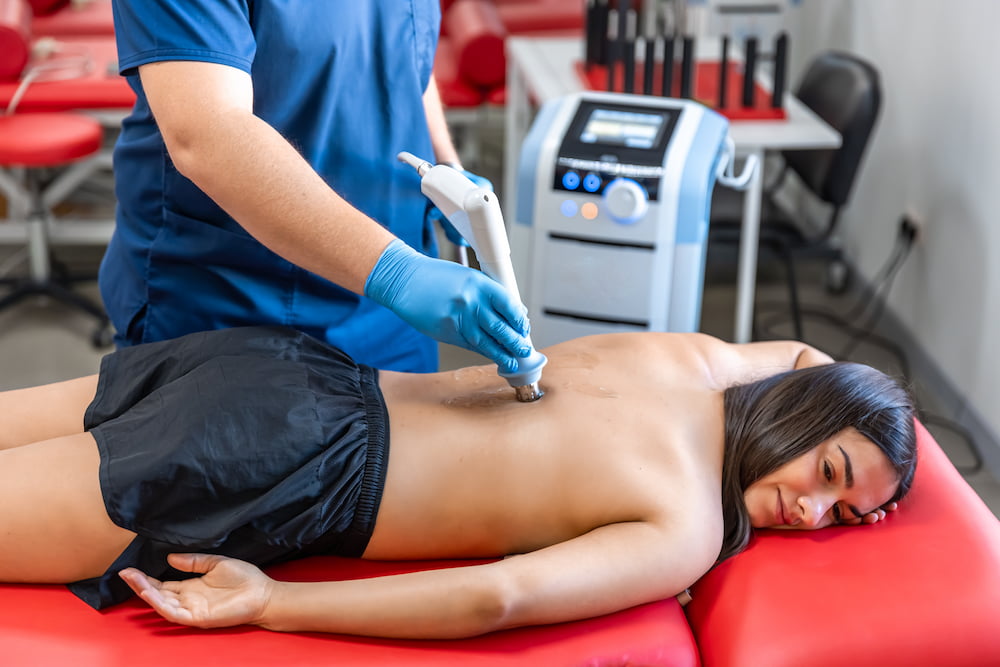
For chronic rotator cuff tendinopathy and calcific tendinitis, HealthWave RX therapy is often the component of care that produces results when other approaches haven’t. The focused acoustic waves stimulate collagen production and tissue remodeling in the damaged tendon, increase blood flow to tissue with poor natural vascular supply, and in the case of calcific deposits, support their breakdown and reabsorption.
Sessions are brief, require no anesthesia, and involve no downtime – patients can return to normal daily activity immediately after treatment. Most patients notice progressive improvement over the course of several sessions, with continued improvement in the weeks following treatment as the tissue remodeling process continues.
The Role of Chiropractic Care in Shoulder Recovery
A shoulder problem is rarely just a shoulder problem. The cervical spine, thoracic spine, shoulder blade mechanics, and how the entire upper extremity kinetic chain functions all affect the load placed on the rotator cuff tendons. When any of those upstream structures aren’t moving correctly, the shoulder compensates – and that compensation is often what’s driving the tendon irritation in the first place.
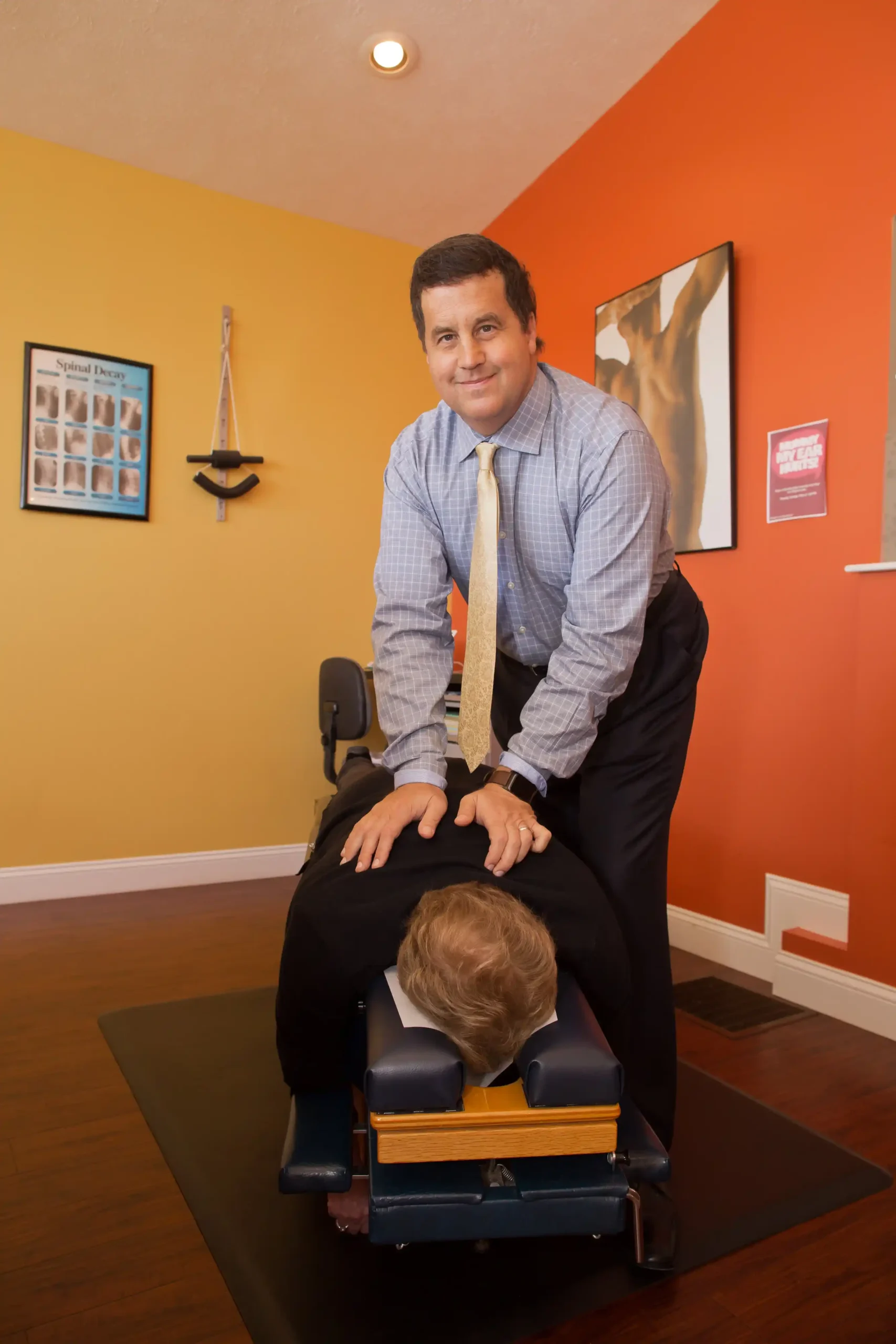
Chiropractic care at our South Bend office addresses those contributing factors directly. Cervical and thoracic spine restrictions that reduce shoulder blade mobility, acromioclavicular joint dysfunction, and glenohumeral joint restrictions all respond to chiropractic adjustment – removing the mechanical contributors that keep loading the rotator cuff abnormally even as the local tissue tries to heal.
Chiropractic Rehabilitation for Rotator Cuff Recovery
Muscle imbalances around the shoulder are one of the primary drivers of rotator cuff conditions – particularly the imbalance between the muscles that internally and externally rotate the arm, and the weakness of the lower trapezius and serratus anterior muscles that stabilize the shoulder blade. When the blade doesn’t move correctly, the subacromial space narrows and the tendons get compressed.
Chiropractic rehabilitation at our South Bend office addresses these imbalances through targeted strengthening and corrective exercise. This is the part of rotator cuff care that creates durable results – restoring the muscle balance and movement mechanics that reduce tendon loading and prevent the condition from recurring once it’s resolved.
When Is Surgery Actually Necessary?
Full-thickness rotator cuff tears – particularly large ones in younger, active patients – are sometimes best addressed surgically. If there is progressive weakness, complete inability to raise the arm, or a tear that imaging confirms is full-thickness and large, surgical evaluation is appropriate.
For partial tears, tendinopathy, impingement, and calcific tendinitis, surgery is rarely the first or best option. Most orthopedic surgeons recommend a trial of conservative care before considering surgical intervention for these conditions – and many patients who commit to a comprehensive conservative approach find they don’t need surgery after all.
If you’ve been told surgery may be necessary for your shoulder, it’s worth pursuing conservative care first if you haven’t done so comprehensively. An evaluation at our South Bend office can help clarify whether that approach is appropriate for your specific situation.
Frequently Asked Questions About Rotator Cuff Treatment
How long does rotator cuff recovery take with conservative care?
That depends on the nature and severity of the injury. Mild tendinopathy and impingement often respond meaningfully within six to eight weeks of consistent care. More significant conditions or those with calcific deposits may take three to four months to fully resolve. Partial tears vary widely depending on their size and location.
Can I keep using my arm during treatment?
In most cases, yes – with modification. Complete rest typically isn’t necessary or helpful for rotator cuff conditions. Activity modification to avoid the specific movements aggravating the tendon, combined with active rehabilitation, usually produces better outcomes than immobilization.
If rotator cuff pain has been limiting your shoulder function and you want to explore conservative options before surgery, contact us online or call our South Bend office at 574-282-2828.