
TSA officers in Indiana have the same federal workers’ compensation protections as any other federal employee – but because the Transportation Security Administration is a relatively newer agency, many officers aren’t familiar with how FECA works or what they’re actually entitled to when they’re injured on the job. If you’ve been hurt while working at an Indiana airport, you have rights worth understanding before you decide how to handle your injury.
TSA Officers Are Federal Employees – and That Changes Everything
Most workers think of workers’ compensation in terms of their state’s system. Indiana has its own workers’ comp program for private-sector employees – but TSA officers don’t fall under that system. As federal employees, TSA workers are covered under the Federal Employees’ Compensation Act, or FECA, which is administered by the Department of Labor’s Office of Workers’ Compensation Programs (OWCP).
That distinction matters for several reasons. The process for filing a claim, the forms required, the approved providers, and the benefits available are all governed by federal rules rather than Indiana state rules. FECA provides strong protections – but only if the claim is filed correctly and in a timely way.
Some of the key protections FECA provides to injured TSA officers include:
- The right to choose your own treating physician – your employer does not select your doctor
- Wage loss compensation that replaces a portion of your pay while you’re recovering, so you don’t have to use sick or vacation time
- Coverage for medical treatment related to the work injury, including chiropractic care
- Continuation of pay for the first 45 days following a traumatic injury, in many cases
- Vocational rehabilitation support if the injury affects your ability to return to your position
Common On-the-Job Injuries Among TSA Officers
The physical demands of airport security screening work create a predictable set of injury patterns. TSA officers spend long hours on their feet, perform repetitive lifting and reaching motions while screening baggage, and work in environments that involve handling awkward and sometimes unexpectedly heavy items. Injuries can be acute – a sudden strain from an awkward lift – or cumulative, developing over time from repetitive motion patterns.
Common injuries we see in TSA and federal employee patients at our South Bend office include:
- Lower back strain and lumbar injuries from repetitive bending and lifting
- Shoulder injuries from overhead reaching during bag screening
- Wrist and hand injuries from repetitive scanning and baggage handling
- Knee pain from prolonged standing on hard airport floors
- Neck pain from workstation ergonomics and sustained postures at screening stations
- Slip-and-fall injuries in airport environments
- Cumulative trauma disorders affecting the arms, wrists, and hands
Why Proper Documentation Matters for FECA Claims
One of the most common reasons OWCP claims are delayed or denied is incomplete or poorly organized documentation. FECA has specific requirements for what needs to be submitted, how injuries are described, and what medical evidence is needed to support a claim. A gap in documentation – or a medical provider who isn’t familiar with OWCP requirements – can create significant problems even when the injury is genuine and clearly work-related.
At Kaurich Chiropractic & Wellness Center, we are the only approved Federal Injury Centers location in Indiana. That designation means our team is set up specifically to handle the documentation side of OWCP claims alongside the clinical treatment. We provide:
- OWCP paperwork assistance at no additional cost
- Organized medical records with objective clinical findings that support your claim
- Work restriction and duty status documentation
- Ongoing progress notes that demonstrate medical necessity throughout your treatment
- Support communicating with OWCP claims representatives when questions arise
Victor Zindoga, DNP, APRN, FNP-BC, our doctoral-level family nurse practitioner, provides advanced clinical evaluation and documentation support for federal injury cases – adding a layer of medical depth that is unusual for a chiropractic office and valuable for building a well-supported OWCP claim.
What Treatment Looks Like for TSA Work Injuries
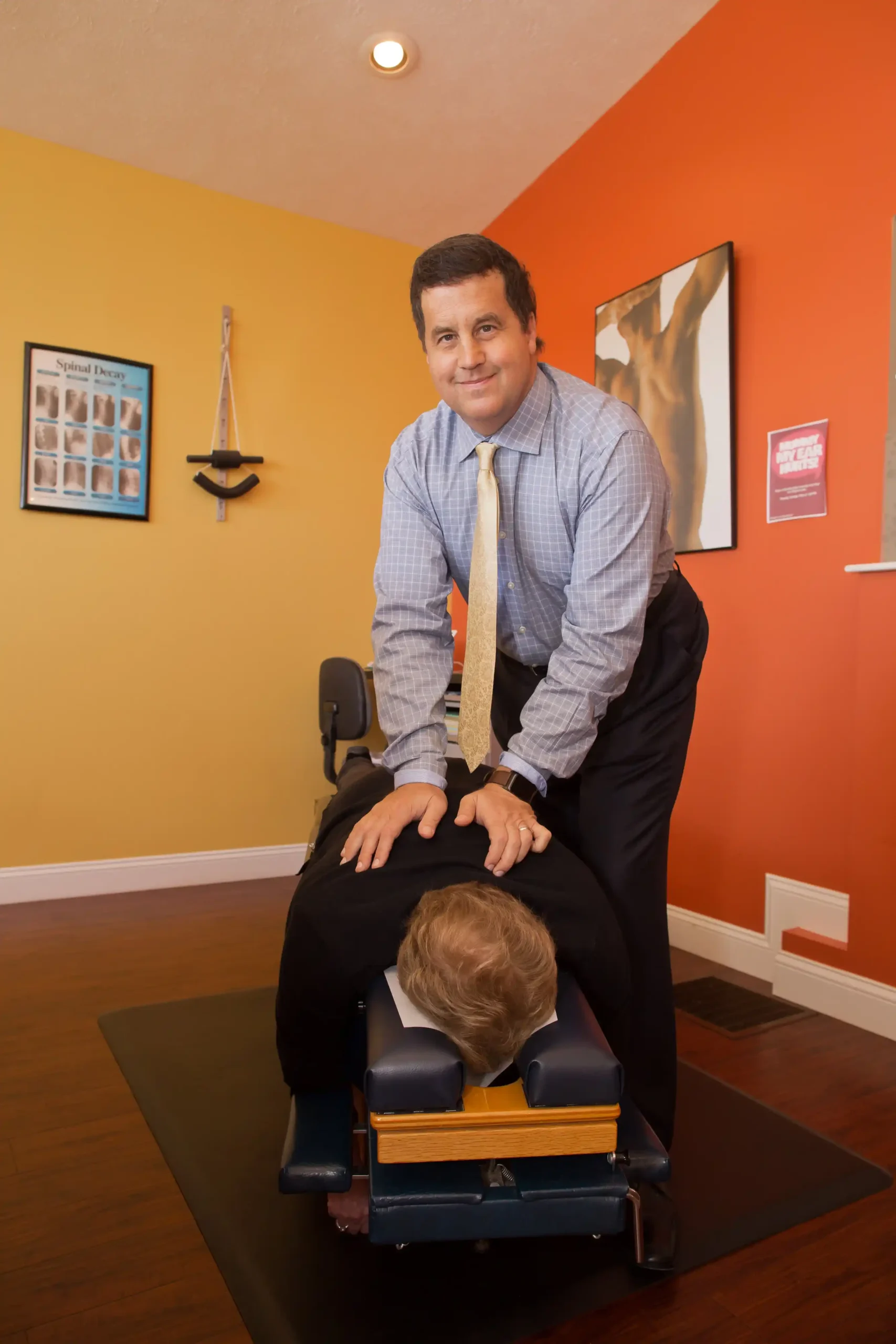
The injuries most common among TSA officers – back strain, shoulder injuries, repetitive wrist and hand conditions – respond well to conservative care. Chiropractic adjustments address the structural component: spinal alignment, joint restriction, and nerve irritation. Chiropractic rehabilitation rebuilds strength and restores function so the injury doesn’t become a recurring problem when you return to work.
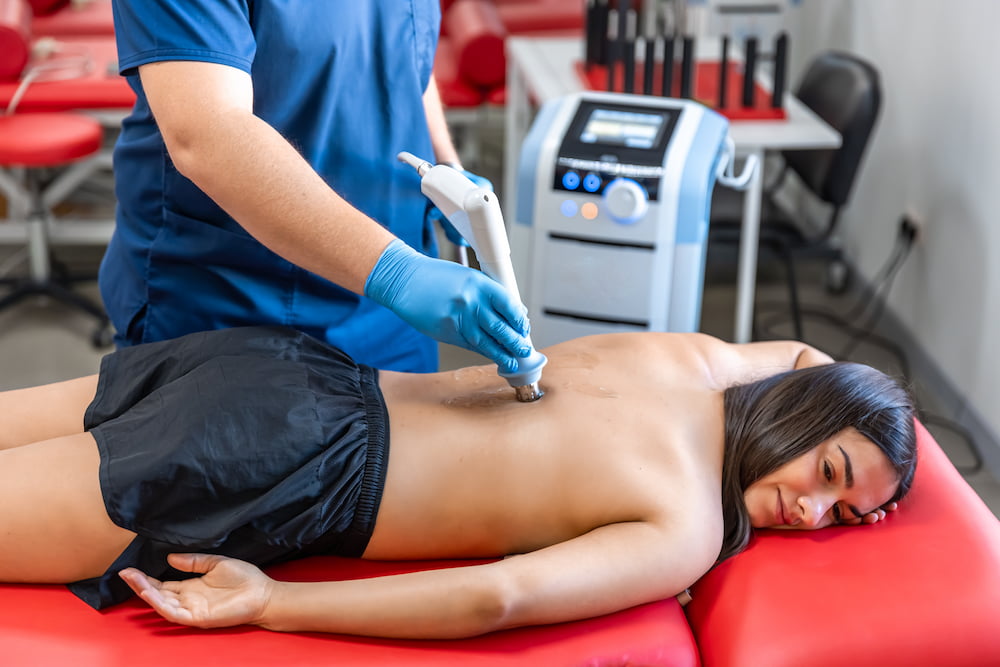
For stubborn soft tissue injuries or tendon conditions that aren’t fully resolving with standard conservative care, HealthWave RX shockwave therapy offers an additional non-invasive option that supports tissue healing at a cellular level.
The goal throughout is not just pain relief – it’s functional recovery that supports your ability to return to your duties and reduces the likelihood of re-injury. We document that progress throughout your care, which also serves your claim.
Steps to Take After a Work Injury as a TSA Officer
The process following a federal workplace injury has important deadlines and requirements. Here is a general outline – though we always recommend speaking with an OWCP representative or a workers’ compensation attorney for guidance specific to your situation, as this is not legal advice.
Report the injury immediately. Notify your supervisor as soon as possible after the injury occurs. Delays in reporting can complicate your claim, even when the injury is clearly work-related.
Seek medical care promptly. Early treatment establishes a clear connection between the workplace incident and your injury. It also starts the documentation record that your claim depends on.
File the appropriate OWCP forms. The specific forms depend on whether your injury is traumatic or occupational (developed over time). Our team can help walk you through the paperwork process.
Be consistent with your treatment. Gaps in care can be used to question the severity of your condition. Regular appointments and documented progress are important throughout the life of your claim.
Serving Indiana’s Federal Workforce from South Bend
TSA officers from airports across Indiana – including South Bend International Airport and beyond – are welcome at our South Bend office. As the only Federal Injury Centers location in the state, we serve federal employees from across the Michiana region and throughout Indiana who need both proper medical care and proper documentation support for their OWCP claims.
If you’re a TSA officer who has been injured on the job and isn’t sure where to start, we’re glad to help. Reach out through our contact page or call us at 574-282-2828.