
Neuropathy Treatment in South Bend, IN

Neuropathy treatment at Kaurich Chiropractic & Wellness Center focuses on reducing numbness, tingling, burning pain, and weakness so that daily activities become more comfortable again. Through a combination of chiropractic care, targeted therapies, and lifestyle guidance, the goal is to improve nerve function, circulation, and overall quality of life without relying solely on medications.​

Understanding Peripheral Neuropathy

Peripheral neuropathy occurs when nerves in the hands, feet, legs, or arms are damaged, leading to symptoms such as numbness, “pins and needles,” burning pain, weakness, and loss of balance. These sensations often start in the feet and can progress upward, making walking, standing, and even sleeping difficult.​

Common causes include diabetes, injuries, poor circulation, certain medications, and other underlying conditions that affect the nervous system. Because nerve damage can worsen over time, early evaluation and conservative treatment are important to help slow progression and relieve symptoms
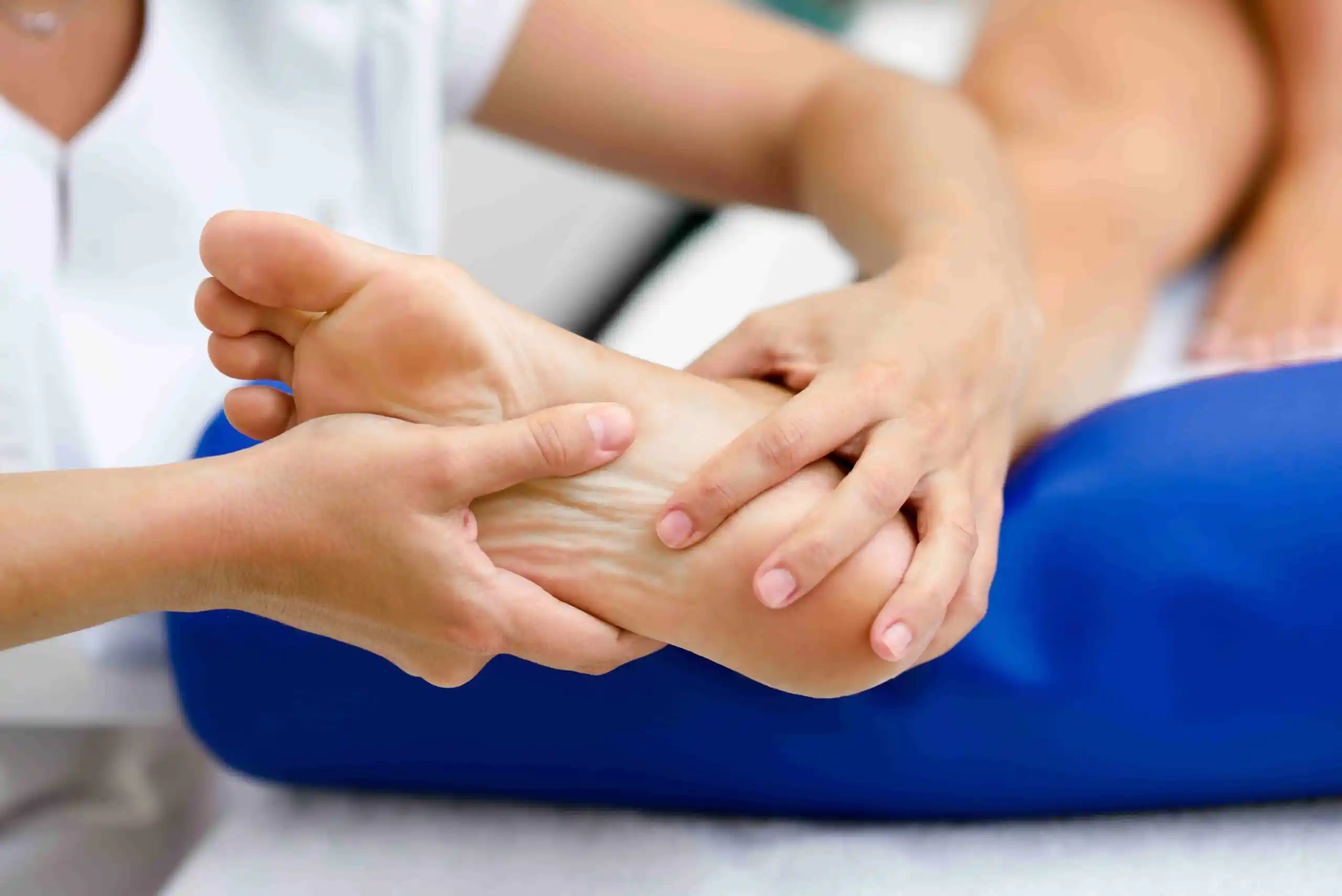
Healthcare provider examining and treating a patient’s foot during a neuropathy evaluation to help improve nerve function and reduce foot pain.

How Chiropractic Care Helps Neuropathy

Chiropractic care can play a supportive role in neuropathy management by improving spinal alignment, reducing nerve irritation, and helping the nervous system function more efficiently. When combined with exercise and lifestyle changes, it often becomes part of a broader, conservative plan to ease symptoms and improve daily comfort.​

Focuses on restoring proper spinal motion to reduce nerve pressure.

Helps improve communication between the brain and affected hands or feet.

May include soft‑tissue work to ease muscle tension around irritated nerves.

Uses gentle stretching and balance work to support stability and coordination.

Can be combined with strength exercises to improve overall function and endurance.

Designed to complement, not replace, medical care and neuropathy medications.​

What to Expect from Neuropathy Treatment

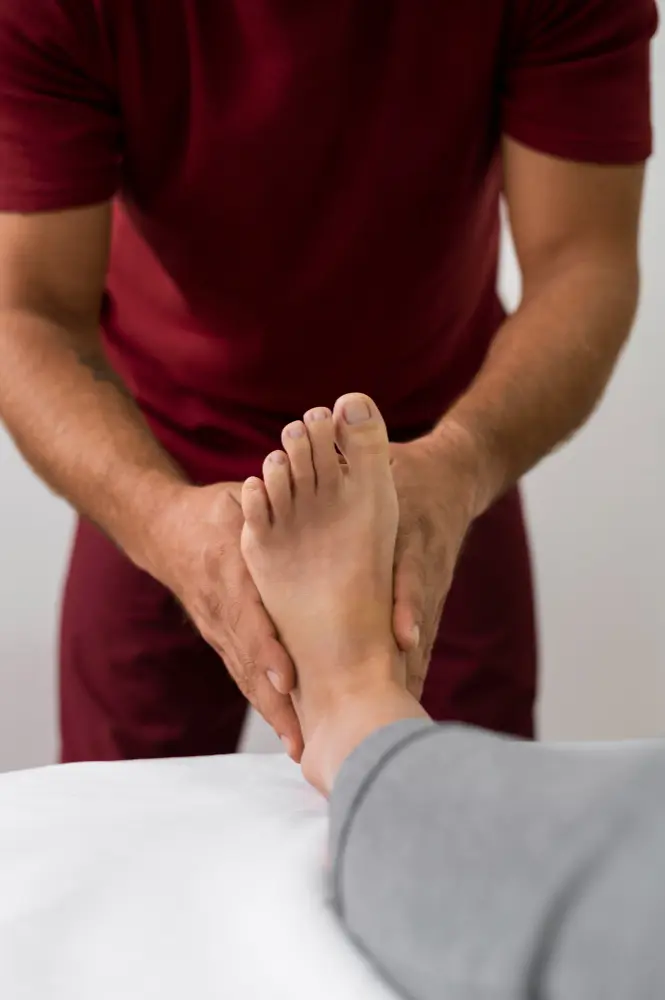
Chiropractor examining a patient’s foot as part of neuropathy treatment
Neuropathy treatment typically starts with a careful assessment so the pattern, severity, and likely causes of nerve symptoms are understood before any plan is created. The aim is to build a gradual, consistent program that prioritizes safety while working to reduce pain, tingling, and functional limitations over time.​

Related Blogs

Foods That Trigger Neuropathy Pain

Neuropathy pain can be influenced by various dietary factors, though triggers can vary from person to person. Here are some foods and dietary habits that may exacerbate neuropathy pain: Sugary Foods and Beverages Reason: High sugar intake can lead to blood sugar spikes and contribute to diabetic neuropathy, especially in

Read More »

What Is Neuropathy Pain?

Neuropathy is a term that encompasses a range of conditions affecting the peripheral nervous system, which includes all the nerves outside the brain and spinal cord. This vast network of nerves plays a crucial role in transmitting information between your central nervous system and the rest of your body. When

Read More »

Neuropathy Treatment FAQs

What are common neuropathy symptoms?

Many patients experience sensations like numbness, tingling, or discomfort in the hands and feet that can affect daily activities and balance.
Conservative care focuses on supporting nerve comfort through gentle therapies, movement strategies, and lifestyle guidance tailored to individual needs.
Your initial visit includes a discussion of your symptoms, medical history, sensory testing, and an explanation of potential care options available.
Gentle movement, posture awareness, and protective strategies for areas with reduced sensation can support overall comfort between visits.
Further evaluation may be considered based on examination findings, symptom patterns, and medical history to better understand your situation.
Reduced sensation in the feet can contribute to balance challenges during walking or standing activities.
Conservative neuropathy approaches are designed to complement existing medical care and can be coordinated with your healthcare team.
Appropriate footwear, gentle stretching, staying active, and protective measures for reduced sensation areas can be helpful between visits.
Various health conditions, injuries, nutritional factors, and metabolic issues can contribute to nerve-related discomfort patterns.
Treatment approaches use gentle techniques designed to be comfortable and appropriate for individual sensitivity levels and tolerance.